

 Русский
 Bahasa Indonesia
 فارسی
فارسی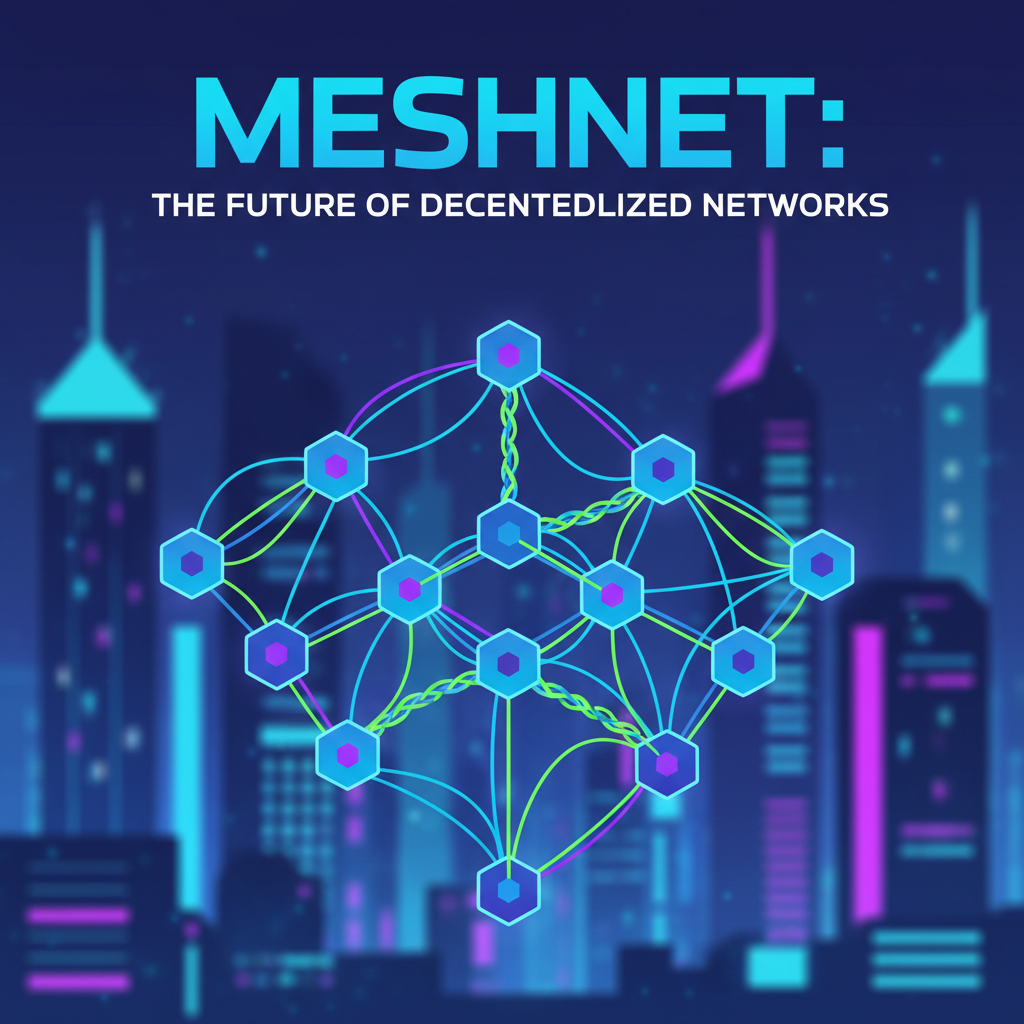
Mesh networks represent a revolutionary approach to connectivity, offering a decentralized and self-organizing infrastructure. Unlike traditional networks, mesh systems allow devices to connect directly to each other, creating a robust and resilient web of communication. This article delves into the core principles, types, and the potential impact of mesh technology.
Understanding Mesh Networks
A mesh network is a decentralized, peer-to-peer topology where every node connects directly or indirectly to every other node, unlike star or tree networks with central hubs. This architecture promotes self-organization and self-configuration; nodes automatically discover and integrate into the network without central intervention. Its fundamental principles include fault-tolerance, where the failure of one node doesn’t cripple the network, and dynamic routing, which allows data to find optimal paths. Data can be relayed via flooding, where packets are rebroadcast by all nodes, or more intelligently routed. Shortest Path Bridging and TRILL are crucial self-healing algorithms, ensuring reliability by dynamically adapting to network changes. Fully connected meshes offer maximum redundancy but are costly, while partially connected meshes balance connectivity with practicality.
Conclusions
In conclusion, mesh networks offer a compelling alternative to traditional network architectures, providing enhanced resilience, scalability, and security through their decentralized nature. While challenges remain in standardization and widespread adoption, the inherent benefits of self-organizing and self-healing networks make them a crucial technology for future connectivity. As wireless and wired mesh solutions continue to evolve, they promise a more robust and adaptable digital landscape.