

 Русский
 Bahasa Indonesia
 فارسی
فارسی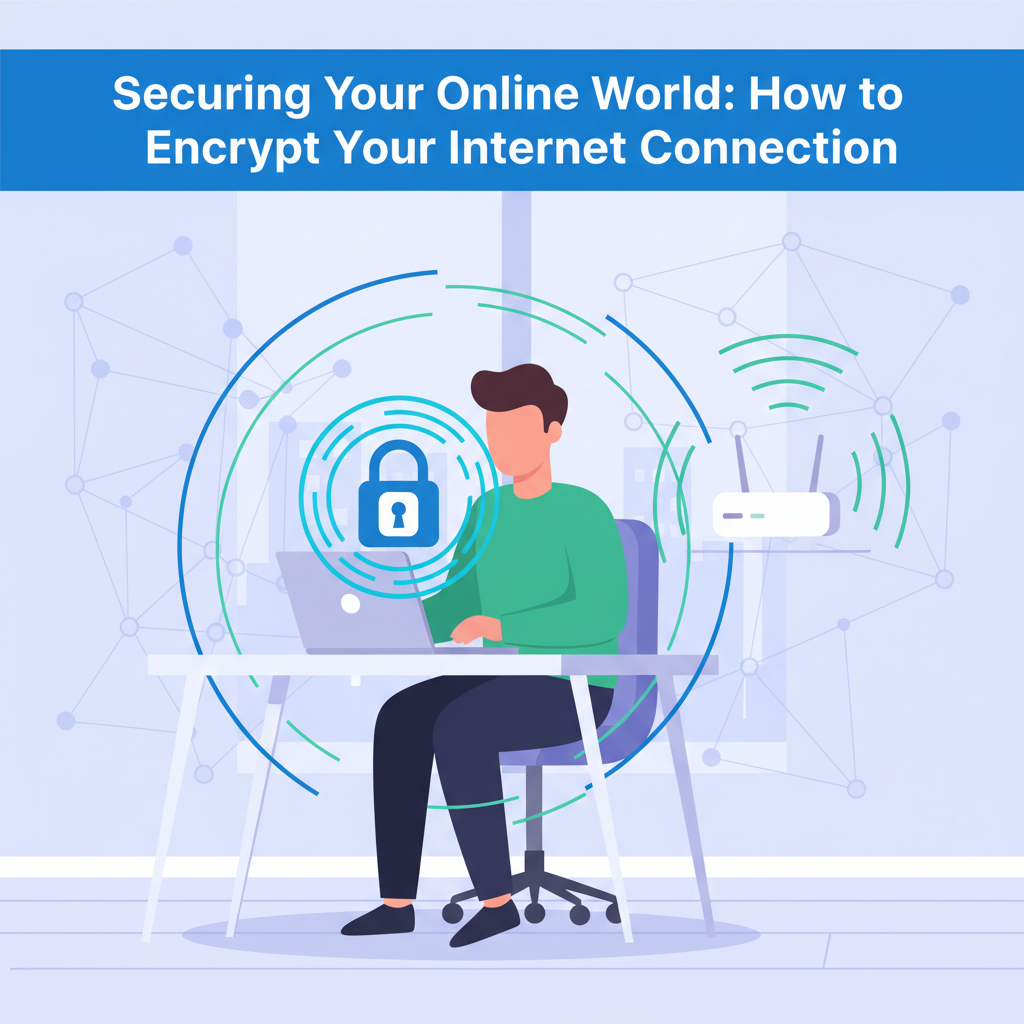
In today’s digital world, keeping your online activity secure is essential. Encrypting your internet connection is one of the most effective ways to protect your private information from hackers, surveillance, and data theft. In this article, we’ll explore how you can easily encrypt your internet connection for greater safety and peace of mind.
Effective Ways to Encrypt Your Internet Connection
A highly effective way to encrypt your internet connection is through the use of Virtual Private Networks (VPNs), a technology that has become indispensable for those concerned about privacy and data security. A VPN creates a secure, encrypted tunnel between your device and a remote VPN server. This tunnel is established using encryption protocols like OpenVPN or WireGuard, ensuring that all data transmitted from your device—including emails, web browsing, and app traffic—is shielded from eavesdroppers. As a result, internet service providers, malicious actors, or even government agencies cannot easily monitor or intercept your online activity while the VPN is active. It’s crucial to choose a reputable VPN provider with robust encryption standards and a clear no-logs policy, as not all VPNs offer the same level of protection.
Equally important for encrypting individual sessions is browsing only on HTTPS-enabled websites. The HTTPS protocol leverages SSL/TLS encryption to safeguard information sent between your browser and the website’s server. According to Wikipedia and multiple security authorities, HTTPS prevents attackers from intercepting sensitive data such as login credentials, credit card numbers, or personal information during transit.
For home Wi-Fi networks, implementing WPA3 encryption and configuring a strong, unique password for your router are fundamental steps. WPA3, the latest Wi-Fi Protected Access protocol, offers enhanced protection against brute-force attacks and intercepting Wi-Fi traffic compared to its predecessors. Regularly updating your router’s firmware further fortifies your network by patching newly discovered security weaknesses.
To supplement these measures, adopting secure browsing habits—such as avoiding suspicious links, using privacy-centered browser extensions, and disabling third-party cookies—adds another layer of defense. When combined, these tactics establish a comprehensive shield that keeps your internet traffic private and secure.
Conclusions
Encrypting your internet connection is crucial for protecting your privacy and sensitive data from cyber threats. By understanding the available methods, such as using a VPN, HTTPS, and secure Wi-Fi, you can keep your browsing safe and private. Take proactive steps today to enjoy a more secure and confidential online experience.