

 Русский
 Bahasa Indonesia
 فارسی
فارسی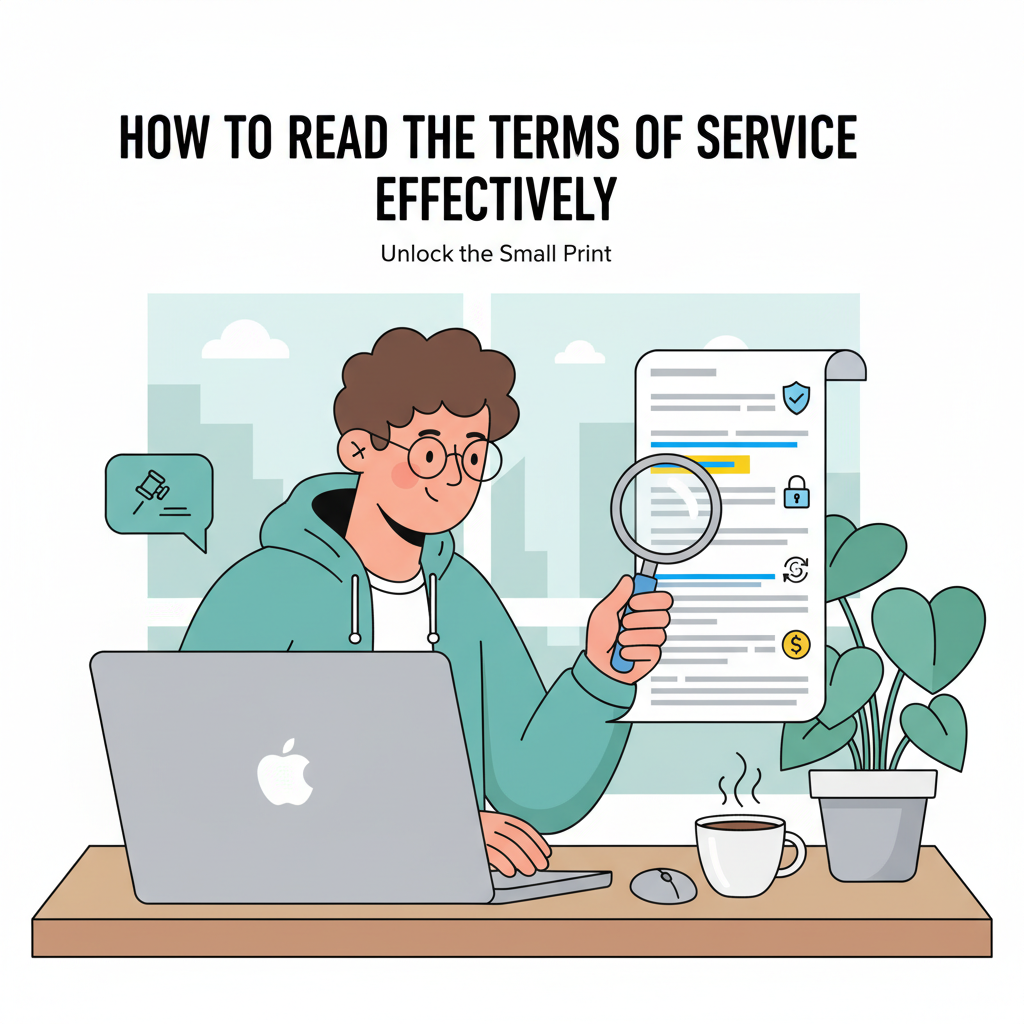
Reading the terms of service can feel overwhelming, yet it’s essential for anyone using digital platforms or online services. This article will guide you through the most effective ways to approach and understand these crucial agreements, helping you protect your rights and make informed decisions about your digital life.
Key Steps to Understanding Terms of Service
Reading through a terms of service agreement requires both attention to detail and a strategic approach. Start by noticing the preamble, which typically outlines the purpose and legal framework of the agreement. While it might seem generic, the preamble often hints at the company’s underlying priorities and any jurisdiction that might apply. Move next to the definitions section; carefully understanding the way terms like “user,” “content,” “service,” or “personal information” are defined is crucial, as these definitions shape the rest of the agreement.
Pay special attention to sections outlining user obligations. These detail what you are and aren’t allowed to do, and sometimes impose unexpected restrictions—such as bans on reverse engineering, account sharing, or particular types of content. The limitations of liability and disclaimers typically limit the company’s responsibility if things go wrong; many users overlook these, not realizing just how little, in some cases, a provider may need to compensate you.
Privacy clauses warrant slow, thoughtful reading. Here, focus on what data the company collects, how it’s used, and with whom it may be shared. These clauses are often couched in broad terms, so watch for phrases like “including but not limited to” or “such as,” which imply an open-ended scope.
Dispute resolution procedures—often buried toward the end—may specify mandatory arbitration or limit your ability to join class actions. Look for clauses about unilateral changes to the agreement; these give companies the right to revise terms without notice, potentially to your detriment.
To make the process manageable, scan for summary sections or frequently asked question pages linked from the main agreement, and use your browser’s search function to highlight keywords such as “privacy,” “arbitration,” “termination,” or “data.” Focus your energy on clauses that affect your rights, security, and data privacy, and flag any sections that seem unusual, unclear, or overly broad for closer review.
Conclusions
Mastering how to read terms of service protects your rights and privacy online. By focusing on key clauses and using practical strategies, you can confidently agree—or disagree—with service terms. Take the time to review these documents, so you know what you’re agreeing to. Awareness is your best defense in today’s digital world.