

 Русский
 Bahasa Indonesia
 فارسی
فارسی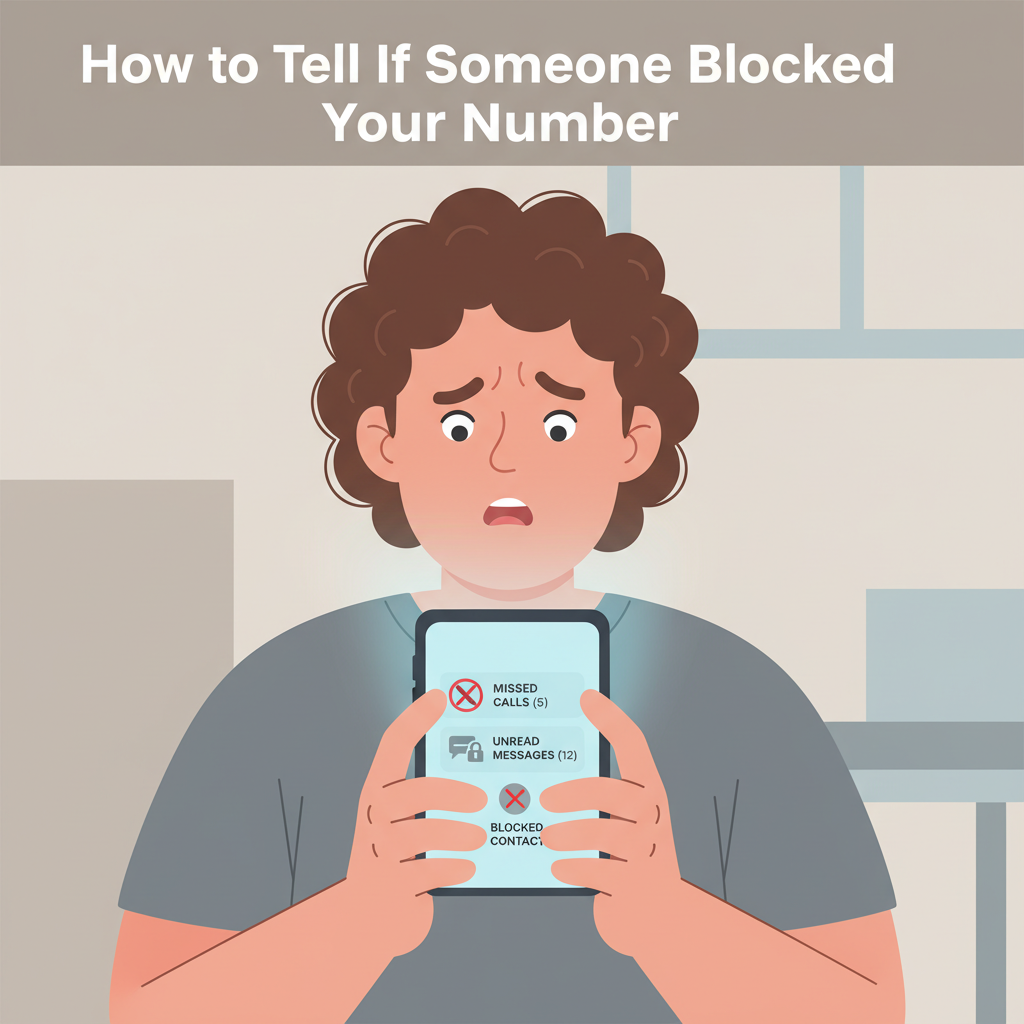
Have you ever tried calling or texting someone and never heard back? You might wonder if your number has been blocked. Understanding exactly what happens when you’re blocked can help you avoid confusion and take the right steps. In this article, we’ll explore clear signs that may indicate your number is blocked and explain how these signals work.
Main Signs You Have Been Blocked and the Reasons Behind Them
Calls routed straight to voicemail are among the most noticeable signs that your number has been blocked. When someone blocks your number on most modern devices and carriers, your voice calls bypass the usual ringing process and are instantly diverted to voicemail. According to technical sources like Wikipedia, this occurs because the call routing system detects your caller ID and automatically applies the user’s block settings, treating your call as if the recipient’s phone is “unavailable” or “out of service.” In some cases, you might hear one ring or a brief tone before being directed to voicemail, which happens as the network initially connects and then swiftly enforces the block protocol.
Another key indicator is related to text messages. If your SMS messages remain in “delivered” or “sent” status indefinitely without ever switching to “read” (on platforms that support read receipts), this could suggest you’ve been blocked. Messaging apps like WhatsApp, as noted in their FAQ and privacy protocols, use double-tick or color cues for message status. After being blocked, messages will often only display a single tick, meaning the message was sent but never delivered to the recipient’s device.
In messaging apps, the loss of profile features—such as the disappearance of a profile photo, last seen, or online status—is another strong signal of being blocked. This is a result of app privacy policies: blocking someone restricts their access to your profile and activity indicators.
People might block numbers for a variety of reasons, which can range from protecting their privacy and boundaries, avoiding unwanted communication, or dealing with harassment. If you suspect you’ve been blocked, it’s important not to repeatedly call, text, or try to circumvent the block with alternative numbers, as this can be distressing or invasive for the other party. Instead, focus on respectful alternatives: give the other person time, consider reaching out through mutual contacts if absolutely necessary, or simply accept their decision for the sake of both parties’ privacy and well-being.
Conclusions
Knowing the signs that your number may be blocked can help you avoid uncertainty and frustration in your communications. While none of the indicators are definitive on their own, together they provide a strong hint. Respect the other person’s boundaries, and if you need clarity, consider other ways to communicate openly.