

 Русский
 Bahasa Indonesia
 فارسی
فارسی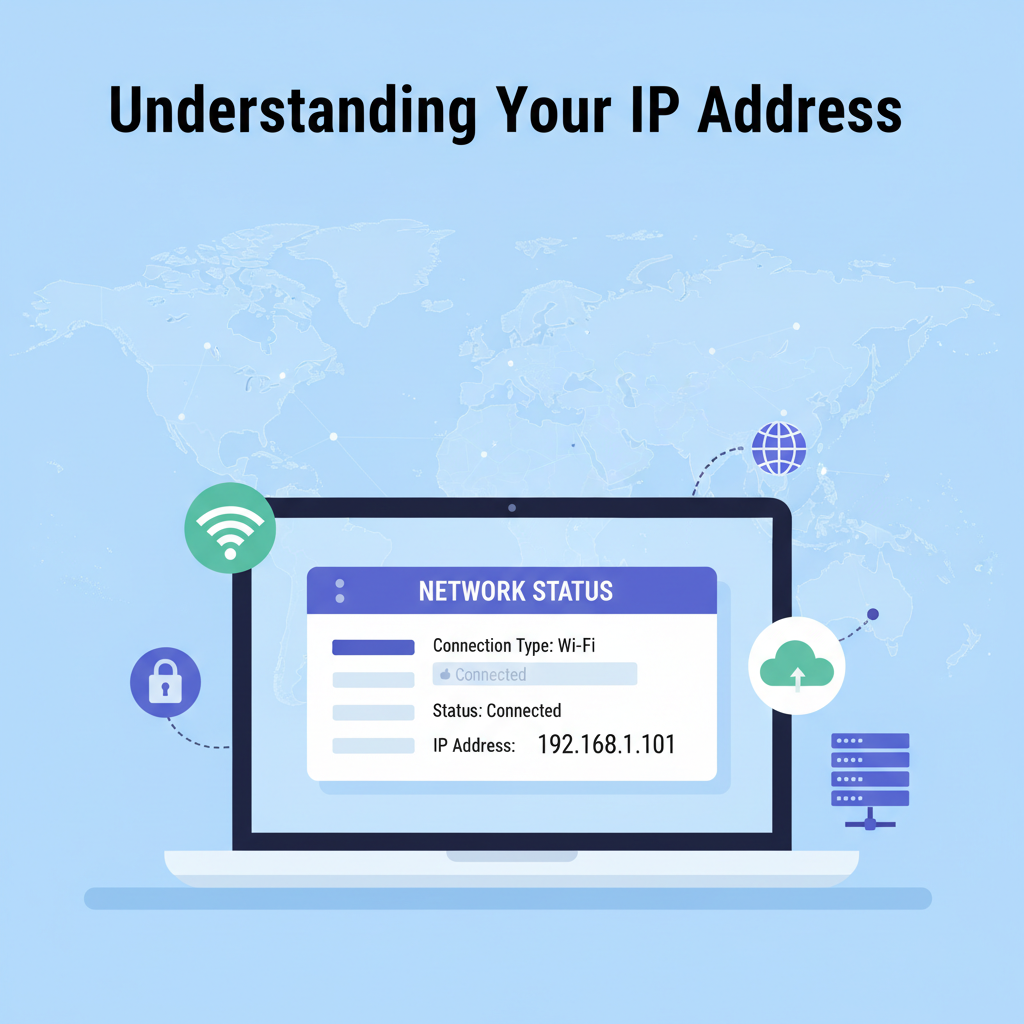
Curious about what ‘What is my IP’ means and why it matters? Your IP address is a crucial part of your online identity and experience. This article delves into the basics of IP addresses, what they reveal, how they are used, and why knowing your IP can impact privacy and security online.
What Your IP Address Reveals and Why It Matters
An IP address, as defined by technical authorities and outlined on Wikipedia, serves as a unique numerical label assigned to each device connected to a computer network that uses the Internet Protocol for communication. There are two primary standards in use today: IPv4, which relies on a 32-bit format to create approximately 4.3 billion possible addresses, and IPv6, a newer protocol employing a 128-bit address scheme enabling an almost inexhaustible pool of unique addresses. These addresses are typically assigned either dynamically by your internet service provider (ISP) or statically for devices and servers requiring fixed points of contact.
The core function of an IP address is to identify devices on the global internet and route data between them, much like a postal address. This basic role, however, extends beyond mere identification. Analyzing an IP address can reveal significant information including the approximate geographical location of your device, the ISP facilitating your connection, and even the type of connection in use. Many websites use this data to customize your experience, enforce content restrictions according to your region, or for analytics and targeted advertising purposes.
The routine exposure of an IP address comes with privacy implications. Sophisticated tracking systems may construct user profiles or link browsing activity to a specific physical location. In some scenarios, malicious actors could attempt to exploit known vulnerabilities tied to your network’s public IP. Therefore, protecting your IP address becomes an essential component of online privacy. Enhancing your privacy can involve using tools such as virtual private networks (VPNs), proxy servers, or the Tor browser, which help mask your true IP from certain websites and online services, as recommended by security organizations and digital rights advocates.
Conclusions
Knowing your IP address helps you understand your digital footprint and online presence. By grasping what your IP reveals, you can better protect your privacy and navigate the internet securely. Stay informed to make the best choices about your data and online safety.