

 Русский
 Bahasa Indonesia
 فارسی
فارسی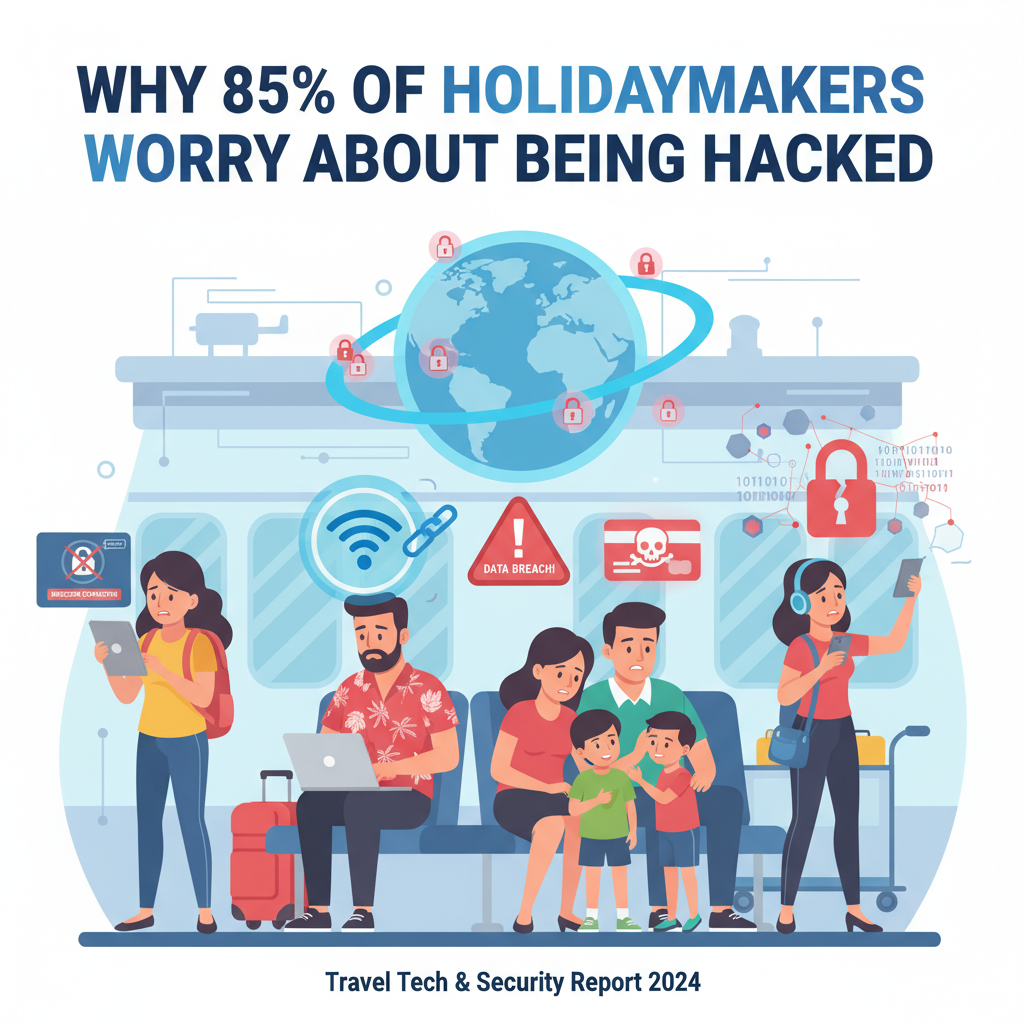
With 85% of travelers worried about getting hacked on holiday, digital safety is now a top concern. As more people rely on smartphones and laptops while abroad, the risk of cyber threats grows. This article explores why travelers feel vulnerable, practical steps to boost security, and how you can safeguard your personal information.
Understanding the Growing Fear of Hacking When Traveling
Recent research has revealed a striking statistic: 85% of holidaymakers now admit to being worried about getting hacked while traveling. This growing anxiety is not unfounded, as studies from sources such as NordVPN and the Global Digital Travel Security Report point to a steady rise in cyber threats targeting travelers. The cause of this surge in concern is multifaceted. First, the near-universal reliance on public Wi-Fi in airports, hotels, and cafes exposes sensitive data to criminals who exploit unsecured networks. Each time a traveler logs into their bank app or sends confidential emails over these open connections, they risk revealing personal information to eavesdroppers.
Increasingly, travelers are turning to electronic payments — from mobile wallets to contactless credit cards. While convenient, these transactions can be vulnerable to interception or cloning if not properly protected. Location sharing across social media platforms adds another layer of risk, inadvertently broadcasting one’s presence in unfamiliar locations and offering attackers the chance to exploit absent-minded security lapses.
Real-world incidents accentuate these risks: several luxury hotel chains have suffered major breaches due to poorly secured guest databases, while travelers at busy international airports have fallen victim to “man-in-the-middle” attacks on compromised Wi-Fi networks. To counter these threats, holidaymakers should practice essential cybersecurity hygiene. This includes keeping all device software and apps updated, setting strong, unique passwords, and disabling automatic connections to open Wi-Fi. Enabling two-factor authentication offers an added shield by demanding a secondary verification step before granting access.
Using a reliable VPN service can significantly reduce risk by encrypting online traffic, making it far harder for hackers to intercept data. Ultimately, awareness of these specific threats — paired with proactive action — enables travelers to enjoy their holidays without sacrificing digital security or peace of mind.
Conclusions
As digital threats increase, it’s essential for holidaymakers to remain vigilant about online security. Adopting safe habits and using protective measures helps ease the worry of hacking while traveling. Make cybersecurity a travel essential so you can focus on enjoying your vacation and return home with memories—not problems.