

 Русский
 Bahasa Indonesia
 فارسی
فارسی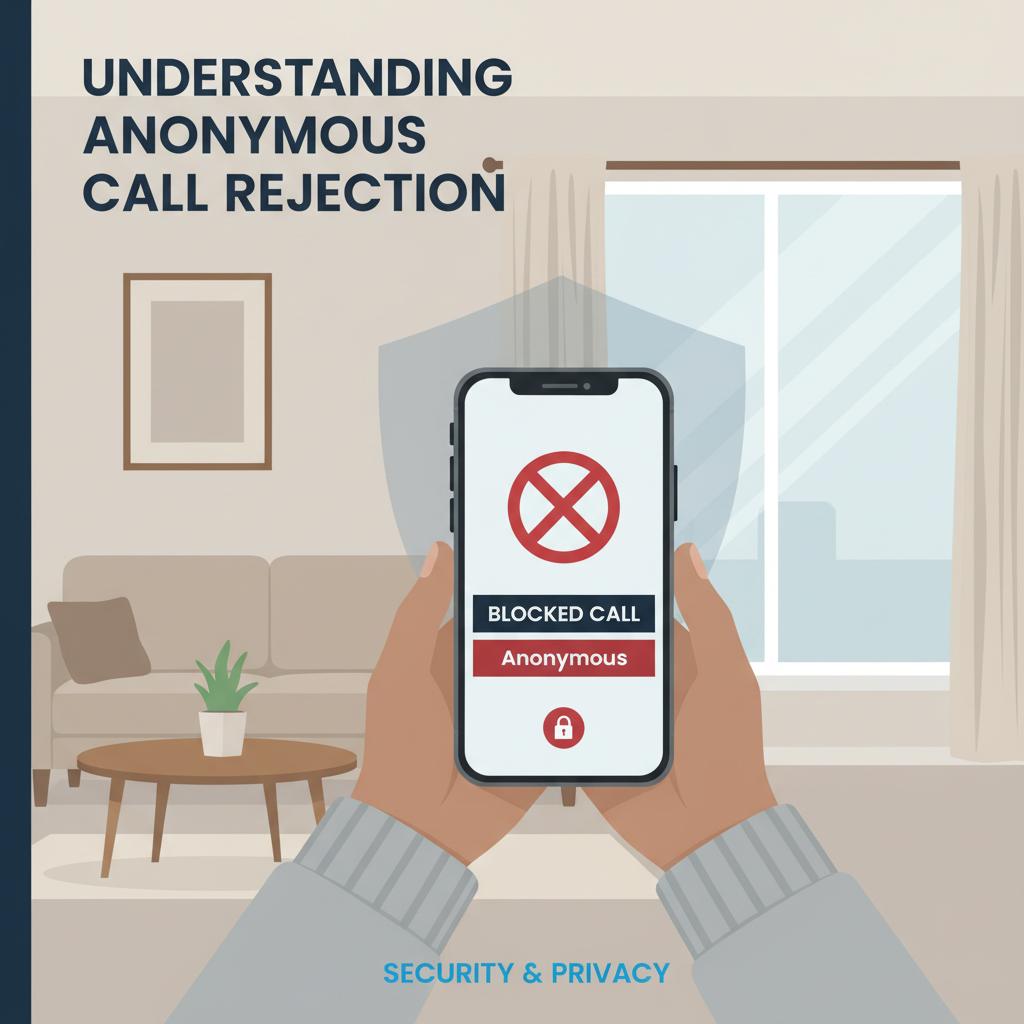
Anonymous call rejection is an essential feature for anyone concerned with unwanted or nuisance calls. This function allows users to automatically block calls from hidden or private numbers, offering greater peace of mind and control over who can reach them. In this article, we’ll explore how anonymous call rejection works and its practical benefits for phone users.
How Anonymous Call Rejection Works and Its Benefits
Anonymous call rejection is a telecommunications feature designed to automatically block incoming calls from callers who have chosen to withhold their phone numbers by activating caller ID blocking. When a caller attempts to reach a user with this function enabled, the system screens the call and, if the incoming number is hidden or marked as “private” or “anonymous,” rejects it before it ever rings on the recipient’s device. This is typically accomplished by the network’s switching equipment, which checks the caller ID field in the call setup data. If the number is missing or masked, the call does not connect and the caller is usually played a recorded message informing them that calls from anonymous numbers are not accepted.
On traditional landline phones, anonymous call rejection has long been available as a network-provided feature. Activation often involves dialing a special code—like *77 in North America—to enable, and *87 to disable. For mobile users, the process can vary: some carriers offer similar network-level services, while many smartphones allow users to block anonymous calls via built-in device settings or specialized call management apps. Modern smartphones can use software logic to filter or silence calls with no caller ID, providing a more customizable approach.
The primary benefits of anonymous call rejection include significantly reducing spam and robocalls, enhancing user privacy, and limiting harassment or nuisance calls. This feature is especially advantageous for individuals at greater risk—such as seniors, children, or those who have previously faced stalking or repeated unwanted contacts—as well as for businesses seeking to avoid unsolicited sales calls.
However, the effectiveness of anonymous call rejection is not absolute. Calls from legitimate sources, such as some government agencies, emergency services, or calls routed through certain international networks, may still appear as anonymous and be blocked unintentionally. While this feature is a powerful tool for users wanting greater control over their incoming calls, it requires thoughtful setup and may need to be tuned or temporarily disabled in exceptional cases.
Conclusions
Anonymous call rejection is a powerful tool for combating nuisance and spam calls, enhancing personal privacy, and reducing daily interruptions. By understanding how this feature functions and its options for activation, users can protect themselves from unwanted contacts and reclaim control over their phone usage. Consider enabling this service for a safer, more peaceful communication experience.