

 Русский
 Bahasa Indonesia
 فارسی
فارسی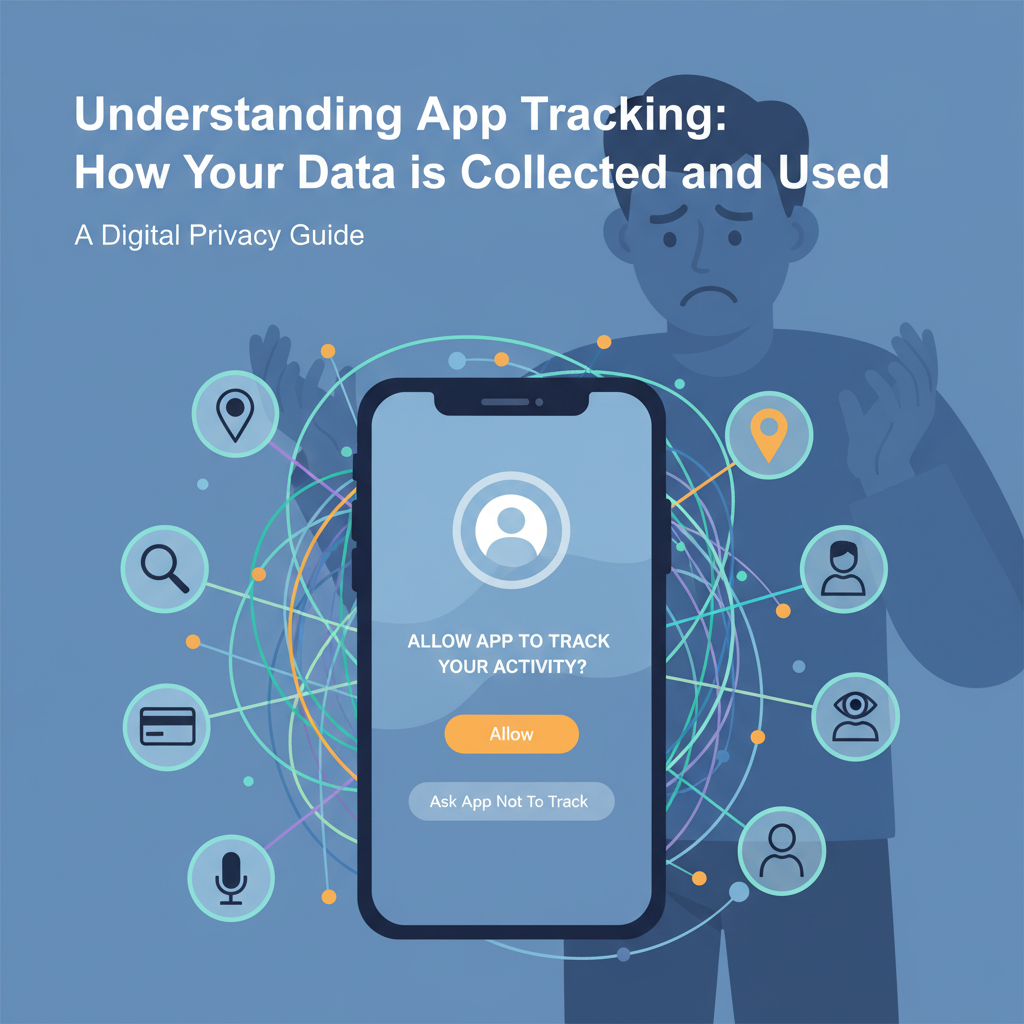
App tracking has become a central issue in our increasingly digital world. Every tap, swipe, and interaction on mobile apps can lead to data being collected about you. In this article, we’ll explore how app tracking works, the privacy concerns it raises, and what steps you can take to protect your personal information online.
How App Tracking Works and Its Impact on Privacy
App tracking operates through a variety of technical methods, each designed to recognize users and their behaviors across different apps and devices. One foundational tool is the device ID: unique, persistent identifiers assigned to mobile devices—such as Apple’s Identifier for Advertisers (IDFA) or Android’s Google Advertising ID (GAID). These allow developers and ad networks to follow users across multiple apps, building robust profiles based on cumulative interactions and interests. Another common technique involves cookies and similar tracking technologies embedded within in-app browsers, which create data points every time a user interacts with content or completes actions.
A particularly sophisticated method is cross-app tracking, wherein information collected from one app is shared with or matched to data from another. This is frequently facilitated through third-party software development kits (SDKs) that developers integrate for analytics, advertising, or personalization. In practice, these SDKs extract behavioral data, location information, device traits, and even identifiers like email hashes—then relay this to advertisers or data brokers, who aggregate and analyze it to create detailed consumer profiles.
The commercial drivers for app tracking are powerful. Advertisers use the information to deliver highly targeted ads, maximizing campaign effectiveness and revenue. Developers leverage analytics to understand user behaviors, improve experiences, and optimize user interfaces. Meanwhile, personalization engines process tracked data to tailor content and recommendations, fostering deeper user engagement.
However, the sweep of data collection raises substantial privacy concerns. Profiling enables invasive targeted advertising but can lead to discrimination and manipulation. Data sharing with third parties presents risks of unauthorized access, breaches, and secondary use far beyond the user’s control. In response, regulatory frameworks such as the EU’s General Data Protection Regulation (GDPR) and Apple’s App Tracking Transparency initiative mandate greater transparency and explicit user consent for tracking. Users can take charge by regularly reviewing app permissions, controlling ad tracking settings, and considering privacy-centric alternatives to frequently tracked apps, thereby maintaining better control over their digital footprint.
Conclusions
App tracking is a widespread practice that affects anyone using mobile apps. Understanding what data is collected, how it’s used, and the potential privacy risks empowers users to make informed decisions. By staying aware and taking proactive steps, you can control your digital footprint and protect your personal data from unwanted scrutiny.