

 Русский
 Bahasa Indonesia
 فارسی
فارسی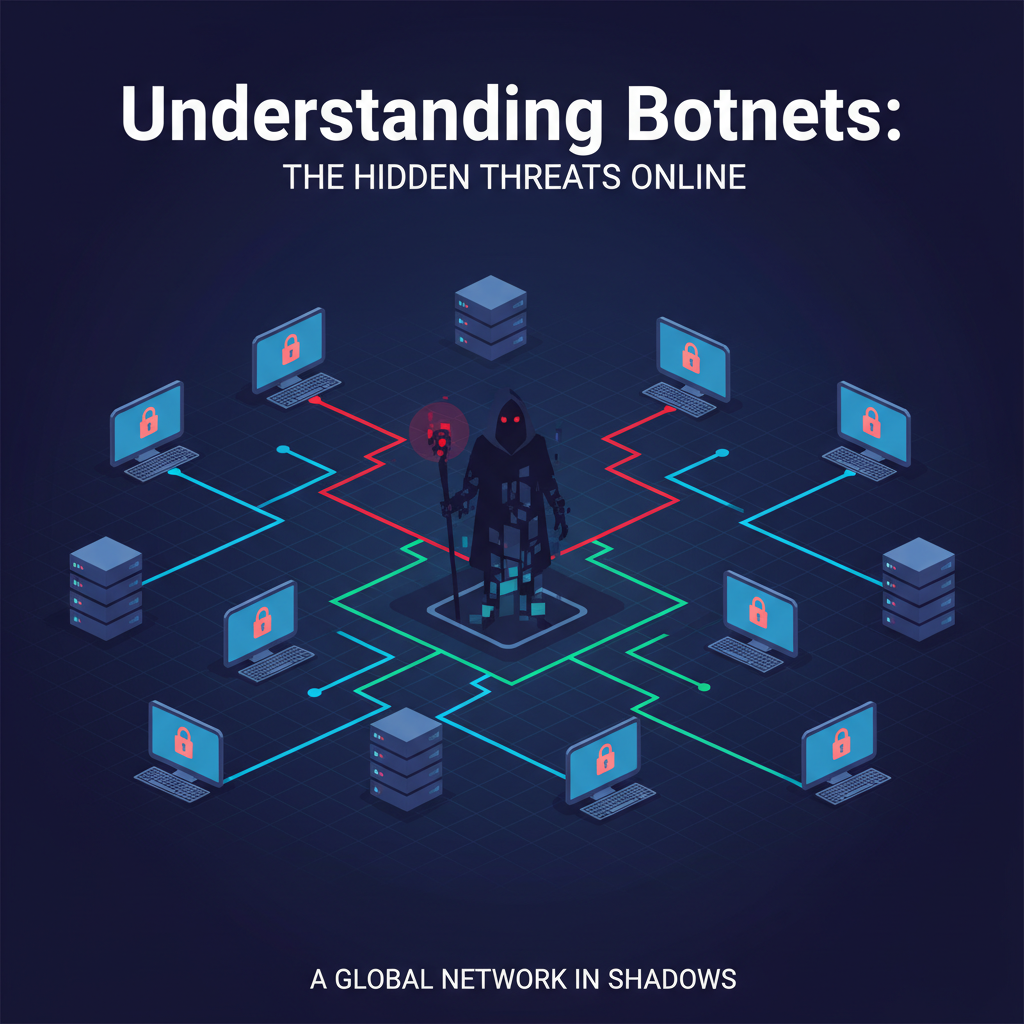
Botnets are one of the most significant threats in the world of cybersecurity. These networks, composed of compromised devices, can carry out massive cyberattacks with remarkable efficiency. In the following article, we’ll explore what a botnet is, how it functions, and why understanding botnets is essential to protecting yourself and your digital assets.
How Botnets Work and Their Role in Cyberattacks
A botnet is a network of private computers or devices, often referred to as “bots” or “zombies,” that have been infected with malicious software allowing them to be remotely controlled by a cybercriminal known as a botmaster. According to information from Wikipedia and leading cybersecurity organizations, botnets are assembled by targeting devices through vulnerabilities—these can include laptops, servers, IoT gadgets, and even smartphones. As soon as a system is compromised, malware secretly runs in the background, making the infected device obedient to commands sent by the botmaster, frequently without the user’s knowledge.
Botnets typically operate through one of two structural models: centralized or decentralized. In a centralized botnet, compromised devices communicate with a command-and-control (C&C) server, which issues instructions, propagates malware, or relays stolen data. Decentralized (or peer-to-peer) botnets distribute these control functions across many devices, making them harder to dismantle. The botmaster orchestrates the collective power of the botnet, leveraging it to perform a variety of cyberattacks.
Common criminal uses for botnets include sending massive waves of spam emails, launching Distributed Denial of Service (DDoS) attacks to disrupt websites or networks, stealing personal or financial information on a large scale, and further distributing malware to other potential victims. To avoid discovery, botnet operators use tactics such as encryption, fast-flux DNS, and frequently shifting IP addresses.
Signs that a device is part of a botnet include unexplained network slowdowns, excessive use of system resources, and unfamiliar processes running in the background. The rise of botnets has enabled attacks on a global scale, as seen in major incidents like the Mirai botnet, which harnessed millions of IoT devices to cripple major internet services. Remaining vigilant, updating software, and practicing safe browsing habits are essential to limit the damage caused by botnets and to safeguard both individual users and organizations.
Conclusions
Botnets represent a dangerous and evolving threat to digital security, stealthily infecting countless devices worldwide. Recognizing how botnets operate helps us understand the importance of strong cybersecurity practices. Stay informed, remain cautious online, and consider additional security measures to protect your devices and personal data against this widespread menace.