

 Русский
 Bahasa Indonesia
 فارسی
فارسی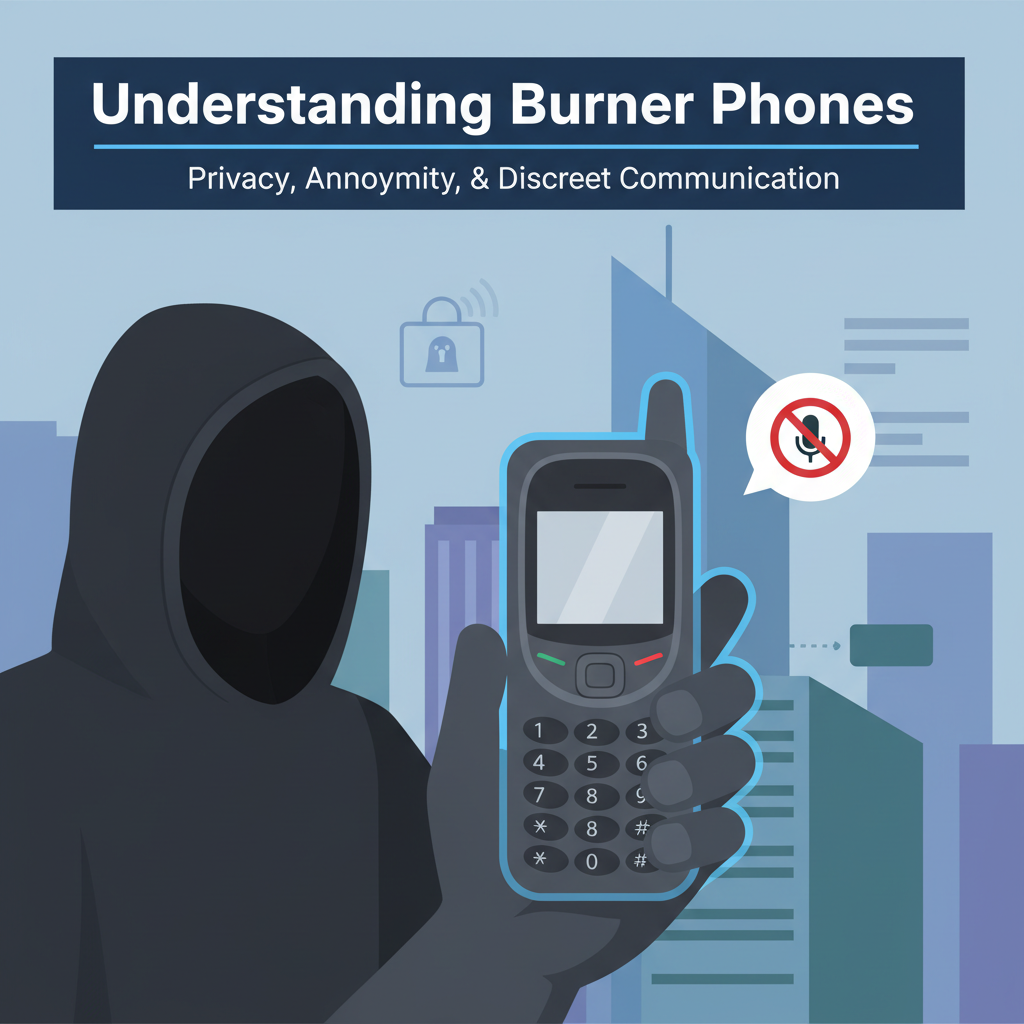
Burner phones have become a popular topic in discussions about privacy, security, and digital anonymity. But what exactly is a burner phone? In this article, we’ll explore the definition, uses, and considerations involved with burner phones, providing you with the knowledge needed to make informed decisions in our technology-driven world.
What Is a Burner Phone and How Is It Used?
A burner phone, as defined by various sources including Wikipedia, is typically a low-cost, prepaid mobile device that is intended for temporary use and can be disposed of or replaced with little consequence. Unlike traditional mobile phones, burner phones usually come without a contract and are not tied to the user’s personal identity, offering a degree of anonymity. These devices are often simple in design, lacking advanced features or internet capabilities, which naturally minimizes their digital footprint. Their affordability means users can purchase them using cash, further detaching their personal information from the device.
One of the main appeals of burner phones is their ability to enhance privacy and reduce traceability. People might use them to protect sensitive communications, especially in environments where personal data could be at risk or closely monitored. For example, journalists handling confidential sources, activists operating under surveillance, or individuals facing harassment may turn to burner phones to keep their communications secure. They can also serve practical purposes in certain businesses or for travelers needing connectivity without committing to extended contracts.
Despite their legitimate uses, burner phones are sometimes misconceived as tools primarily used for illicit activities, a notion fueled by their frequent portrayal in TV shows and films centered on criminal investigations. In reality, the distinction between a burner phone and a regular phone lies in the intended use and the level of traceability, not the device itself. Burners do, however, present some risks, such as the absence of software updates or limited functionality, which can expose users to vulnerabilities if not managed carefully.
Responsible use of burner phones involves an awareness of local laws and regulations surrounding anonymous phone use. While they can be invaluable for privacy, users must ensure they’re operating within legal boundaries, recognizing that the device’s benefits should serve legitimate needs rather than circumventing the law.
Conclusions
Burner phones offer temporary communication with enhanced privacy and minimal traces, making them useful in various scenarios. While they have legitimate and practical uses, it’s important to consider the ethical and legal implications. Understanding burner phones empowers you to make better choices about your personal security and communications.