

 Русский
 Bahasa Indonesia
 فارسی
فارسی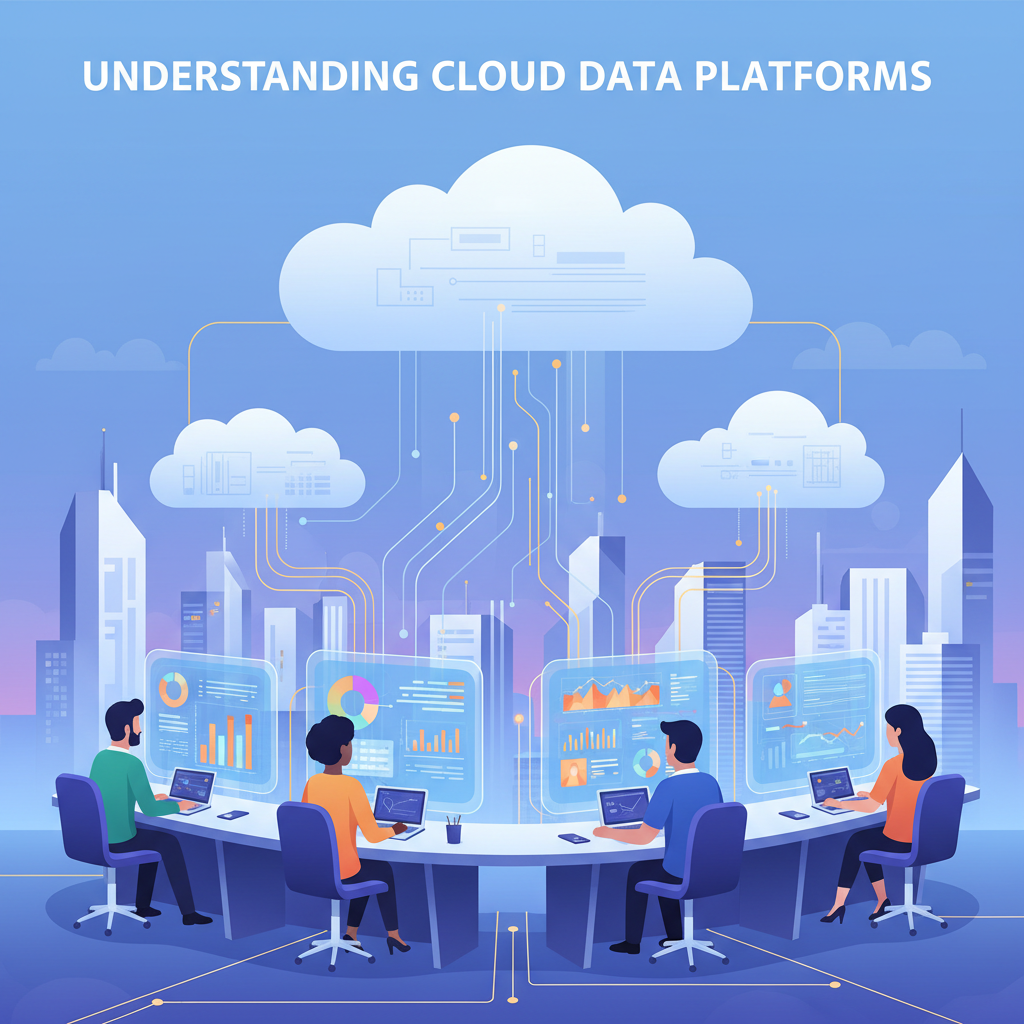
Cloud data platforms are transforming how businesses manage, store, and analyze information. These platforms bring unparalleled scalability, flexibility, and efficiency compared to traditional on-premises solutions. In this article, we’ll explore the fundamentals of cloud data platforms, their components, and why they’re vital for organizations navigating the digital era.
How Cloud Data Platforms Work and Their Core Benefits
A cloud data platform is defined by Wikipedia as an integrated set of scalable cloud-based tools and services designed for collecting, storing, managing, and analyzing vast volumes and varieties of data. At its core, a cloud data platform provides organizations with elastic storage, highly adaptable processing power, robust analytics engines, tight security mechanisms, and seamless integration utilities. Unlike traditional on-premises data warehouses and data lakes, cloud data platforms abstract the infrastructure layer, allowing organizations to scale up or scale down in real time as their data needs fluctuate, which leads to significant cost-effectiveness and operational flexibility.
Fundamental components of a cloud data platform include managed storage architectures that distribute data across geographically diverse data centers, and dynamic compute resources that allow for parallel processing and real-time analytics. Advanced analytics capabilities enable users to derive meaningful insights through machine learning, business intelligence, and ad hoc query engines. Integration tools facilitate secure connections with a wide variety of data sources—ranging from IoT devices to enterprise applications—making it possible to unify disparate datasets for a holistic analytical perspective.
Security is paramount, with leading cloud data platforms employing encryption, granular access control, data masking, and monitoring to ensure data privacy and regulatory compliance. For example, Amazon Redshift, Google BigQuery, and Microsoft Azure Synapse each offer built-in security features and comply with standards such as GDPR and HIPAA, assuring organizations that their sensitive data is protected.
Leveraging these platforms, organizations gain advantages such as real-time access to data from anywhere in the world, streamlined integration with modern cloud and SaaS applications, improved disaster recovery options through automated backups, and collaboration features that accelerate the sharing and interpretation of insights. This ability to access, interpret, and act on data rapidly empowers companies to make faster, more informed decisions, adapting their strategies in a dynamic business environment.
Conclusions
Cloud data platforms enable organizations to manage data efficiently in a scalable, secure, and cost-effective way. Their ability to support analytics, integration, and global collaboration makes them essential for modern businesses. Embracing a cloud data platform is a strategic move for any organization wanting to stay competitive and data-driven in the digital landscape.