

 Русский
 Bahasa Indonesia
 فارسی
فارسی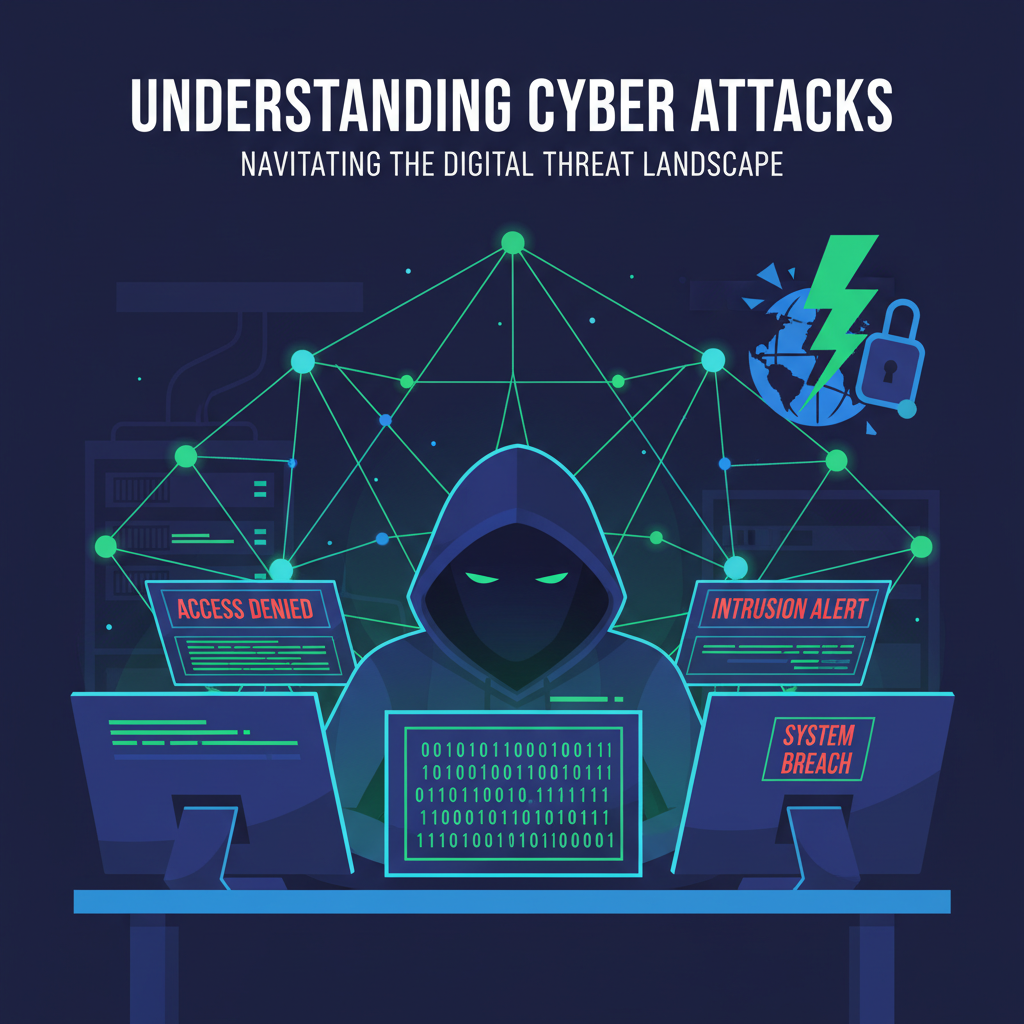
In the digital age, cyber attacks have become pervasive threats to individuals, organizations, and even nations. But what exactly is a cyber attack, and how do they work? This article unpacks the true nature of cyber attacks, explores their main types, and reveals their far-reaching consequences.
Defining and Understanding Cyber Attacks
A cyber attack can be precisely defined as any deliberate and malicious attempt to breach the information systems of individuals, organizations, or governments, often with the objective of stealing, altering, or destroying data, or disrupting digital operations. According to Wikipedia and cybersecurity organizations, such attacks exploit a wide range of technological and human vulnerabilities. Attackers may employ methods ranging from the exploitation of software flaws to sophisticated social engineering techniques that manipulate people into revealing sensitive information. Deploying malicious software—or malware—is one of the most versatile tools used by cybercriminals, allowing them to remotely control systems, encrypt files for ransom, or siphon off confidential information.
Among the diverse tactics, several types of cyber attacks recur frequently. Phishing, for example, involves deceiving victims into divulging personal data or credentials via fraudulent emails or websites. Ransomware attacks, increasingly common, lock users out of their systems or encrypt valuable files, demanding payment for their release. Denial-of-service (DoS) attacks overwhelm services with excessive traffic, rendering them inaccessible to intended users, which can cause significant disruption for organizations. Meanwhile, sophisticated man-in-the-middle attacks intercept communications between victims and trusted parties, often to harvest confidential information or inject malicious code.
Motivations behind cyber attacks are varied and complex: some attackers seek financial profit, while others target sensitive information for purposes of espionage or corporate and political sabotage. For some, the goal may simply be disruption. The consequences of these incidents extend beyond financial losses; breaches can erode customer trust, jeopardize personal privacy, halt critical services, and even threaten national security. As modern society’s dependence on interconnected technology grows, understanding the intricate techniques and motivations behind cyber attacks is crucial. This knowledge not only highlights the seriousness of the threat but also informs the ongoing evolution of defense and prevention strategies, encouraging a more resilient digital environment for all stakeholders.
Conclusions
Cyber attacks pose significant risks by targeting and exploiting digital vulnerabilities for malicious purposes. Understanding how these attacks function is crucial in building stronger defenses. By staying informed and vigilant, both individuals and organizations can greatly reduce the potential damage and better protect their digital assets in an increasingly interconnected world.