

 Русский
 Bahasa Indonesia
 فارسی
فارسی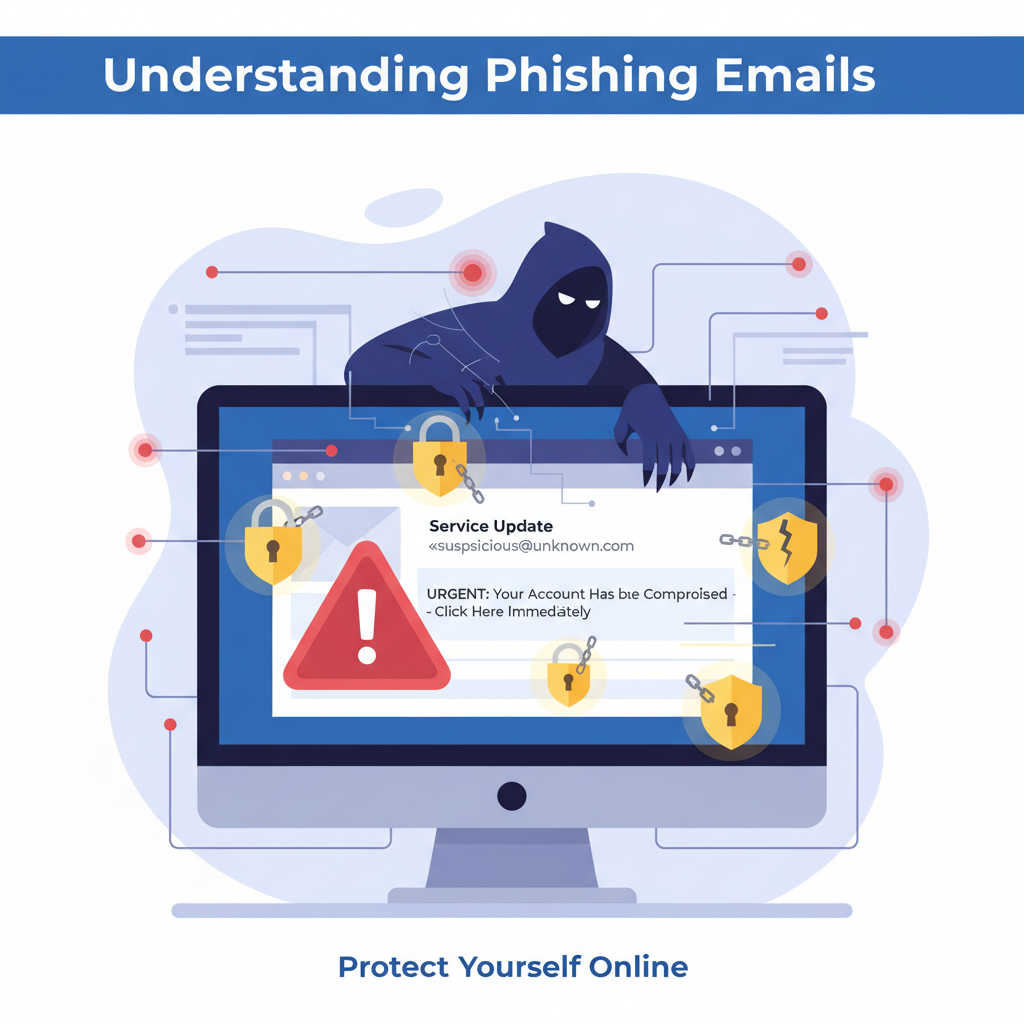
Phishing emails are a major threat to online security, deceiving recipients into revealing sensitive information or downloading harmful attachments. This article explores the nature of phishing emails, common signs to watch for, and essential strategies to help you stay protected. Understanding these deceptive tactics is the first step toward safeguarding your personal and professional data from cybercriminals.
Recognizing and Preventing Phishing Emails
A phishing email is a type of cyberattack designed to trick recipients into revealing sensitive information or taking actions that benefit the attacker. These messages are crafted to look legitimate, often mimicking emails from trusted companies, banks, or even colleagues. Cybercriminals rely on psychological manipulation, using urgent language such as “Your account will be locked unless you act now” to create panic and prompt hasty decisions. A common trait is the use of fake links that closely resemble real URLs but contain subtle misspellings or extra characters. Clicking these links can lead to fraudulent sites that harvest your credentials or automatically download malware onto your device.
Phishing emails typically impersonate reputable organizations or individuals by spoofing sender addresses or copying official layouts and logos. They may request confidential data, such as passwords, credit card numbers, or social security details, often under the pretense of verifying your account or fixing a fabricated problem. Tell-tale signs include unfamiliar greetings, grammatical errors, inconsistent branding, and unexpected attachments or requests.
Real-world examples underscore the danger: attackers have successfully impersonated payroll departments to steal employee pay, or synchronized phishing attacks with tax season to exploit heightened concern over financial matters. The consequences can range from identity theft and drained bank accounts to widespread data breaches within organizations.
To protect yourself, always verify sender addresses—look for subtle misspellings or anomalies. Never download attachments or click links from unknown or suspicious sources. Strengthen your defenses by enabling two-factor authentication where available and using reputable email filters designed to catch phishing attempts. Stay updated about current phishing tactics, and establish a routine of scrutinizing every email for red flags. Ongoing vigilance, education, and healthy skepticism are crucial to building resilience against these constantly evolving threats.
Conclusions
Awareness and vigilance are key to defending against phishing emails. By learning how to spot suspicious messages and following best security practices, you can greatly reduce your risk of falling victim to scams. Stay alert, scrutinize every email, and remember that understanding phishing is your strongest line of defense.