

 Русский
 Bahasa Indonesia
 فارسی
فارسی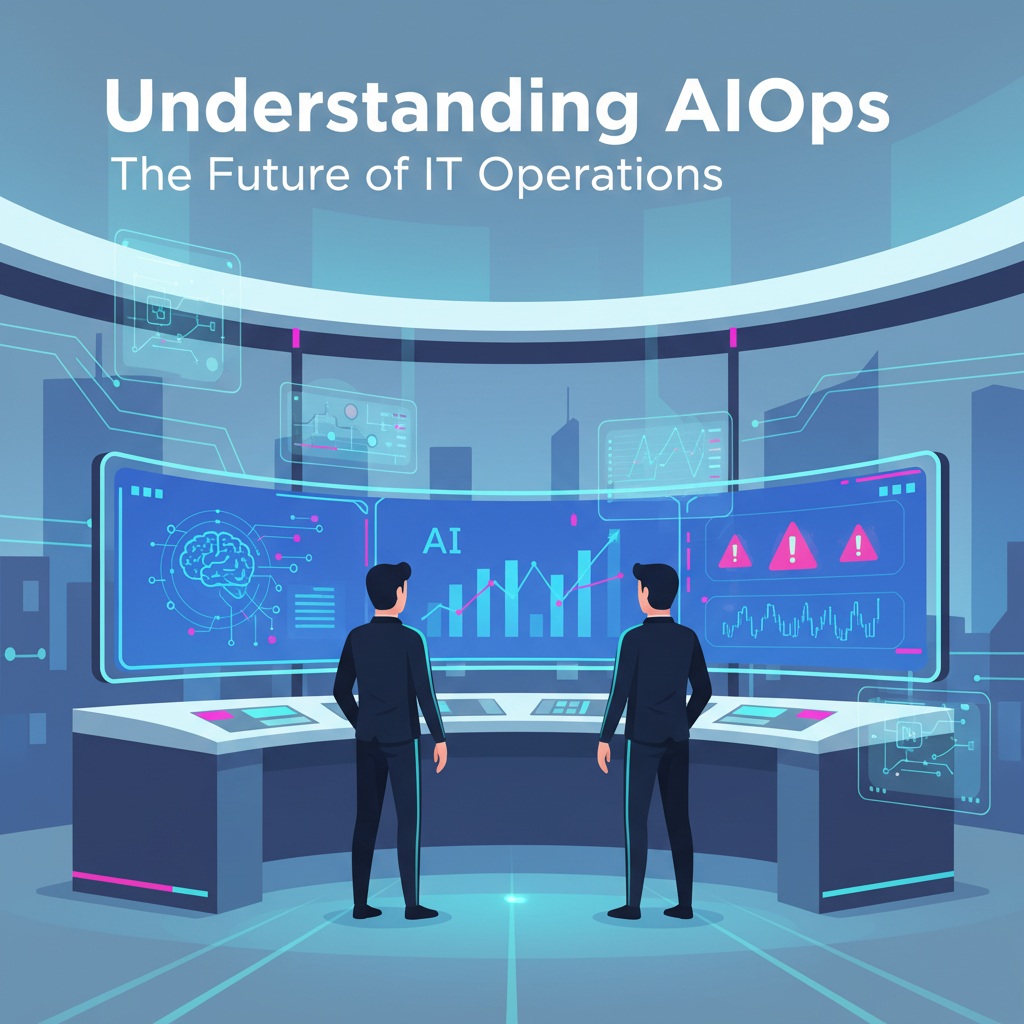
As technology evolves, managing complex IT environments becomes increasingly challenging. Enter AIOps, a transformative approach that leverages artificial intelligence to streamline and automate IT operations. This article explores what AIOps is, its core components, and the significant impact it’s having on modern IT management, helping organizations become more agile and efficient.
Exploring AIOps and Its Impact on IT Management
AIOps, or Artificial Intelligence for IT Operations, takes traditional IT management to an unprecedented level by integrating advanced AI technologies with the foundational pillars of IT infrastructure. Drawing from sources such as Wikipedia and respected industry analysts, AIOps unifies massive streams of IT data—ranging from logs to performance metrics—through big data platforms, creating a real-time, holistic visibility into the entire digital ecosystem. The system’s core strength lies in machine learning algorithms that continually refine their understanding of operational patterns, distinguishing noise from actionable anomalies across vast, dynamic, multi-cloud environments.
The application of predictive analytics within AIOps allows organizations to anticipate outages, degradations, or unexpected spikes in resource needs before they disrupt service. Automation then provides the agility to enact self-healing remediation or orchestrate complex workflows, minimizing human intervention and accelerating the mean time to resolution (MTTR). This convergence of technologies fundamentally shifts IT operations from a reactive paradigm, where teams scramble to fix issues after customer impact, to a proactive approach that automatically prevents and resolves incidents.
Real-world use cases highlight the benefits: global enterprises leverage AIOps to automate root cause analysis, surface hidden dependencies in interlinked systems, and manage workloads efficiently amid digital transformation and cloud migration. For example, e-commerce giants employ AIOps to optimize payment processing during peak events, while financial services use it to monitor security threats in real time. Yet, challenges persist, including integration with legacy tools, data silos, and the need for robust governance frameworks. Success requires a phased deployment, cross-team collaboration, and clear KPIs. As recent advancements bring deeper contextual understanding and cross-domain insights, AIOps stands as the engine powering truly adaptive, intelligent IT management.
Conclusions
AIOps is redefining IT operations by integrating AI and machine learning, leading to improved efficiency, faster issue resolution, and proactive management. Embracing AIOps helps organizations handle increasing IT complexity, ensuring more robust and adaptive infrastructures. As the field advances, AIOps will play an essential role in driving innovation and resilience across IT environments.