

 Русский
 Bahasa Indonesia
 فارسی
فارسی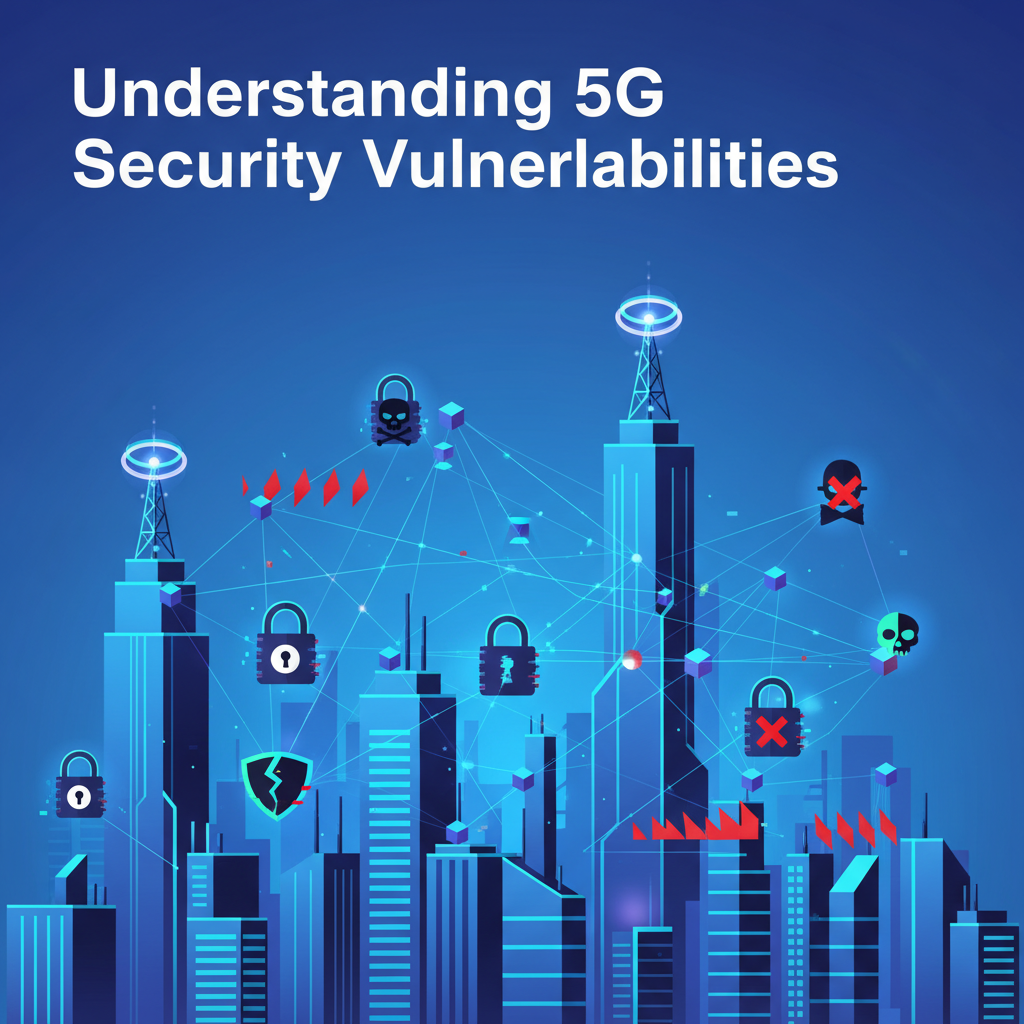
5G technology promises faster speeds and lower latency, but its rapid expansion also brings new and complex security challenges. As more devices and critical infrastructure rely on 5G, understanding its vulnerabilities becomes essential for businesses, governments, and individuals. This article explores the key security risks associated with 5G and what they mean for our interconnected world.
Main Vulnerabilities and Their Impact
The expansion of 5G networks introduces several key security vulnerabilities that could reshape the threat landscape for mobile communications and critical services. Among the most significant is the dramatically increased attack surface, fueled by the proliferation of IoT devices connected to 5G networks. As the number of connected endpoints multiplies, so do potential points of compromise. Many IoT devices lack robust security features, making them susceptible to takeovers or being harnessed for large-scale distributed denial of service (DDoS) attacks, which can disrupt essential services and infrastructure (Wikipedia: 5G).
Software-defined networking (SDN), a foundational technology in 5G, introduces flexibility but also new risks. Centralized control planes and other SDN components, if inadequately protected, may serve as single points of failure; should attackers gain access to SDN controllers, they could redirect or eavesdrop on massive volumes of traffic or manipulate core network functions (Wikipedia: Software-defined networking security).
Network slicing, while enabling isolated virtual networks for different services or customers, has its own pitfalls. Imperfect isolation between slices can lead to “cross-slice” attacks, where one compromised slice becomes a launchpad for attacks on others, jeopardizing confidential data or critical infrastructure. Proven vulnerabilities like those demonstrated by researchers exploiting improper separation in slice configurations (source: academic papers on 5G security) underscore the reality of these threats.
The 5G supply chain, highly globalized, introduces another layer of risk. Components sourced from untrusted vendors could harbor hidden backdoors or malicious firmware, raising concerns around espionage or systemic disruption, with incidents such as discovered vulnerabilities in equipment from major vendors fueling national security debates (Wikipedia: 5G security).
Lastly, reliance on legacy protocols for interoperability exposes 5G systems to well-known attacks, including replay and downgrade attacks. Adversaries could exploit unpatched vulnerabilities, compromising data confidentiality and service availability. The industry is responding with approaches like AI-driven anomaly detection, robust authentication measures, and strict vendor vetting to address these evolving risks and make 5G networks more resilient.
Conclusions
5G’s advanced capabilities enable innovation but also introduce significant security vulnerabilities that require constant vigilance. Recognizing and addressing these risks is crucial for safeguarding personal data, national infrastructure, and global communications. Continued collaboration, investment in secure technologies, and ongoing research will help ensure that 5G remains a boon for society, rather than a new vector for cyber threats.