

 Русский
 Bahasa Indonesia
 فارسی
فارسی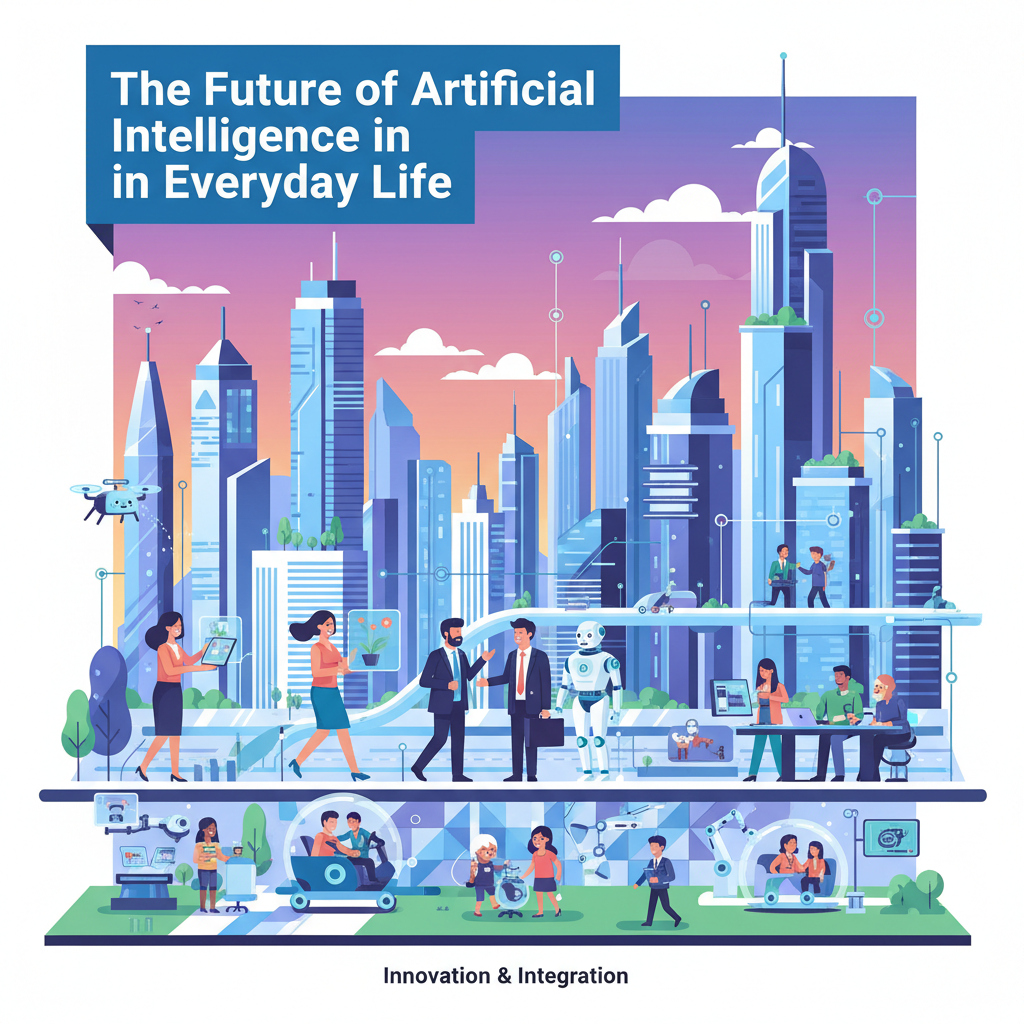
Artificial Intelligence (AI) is rapidly changing the way we live, work, and interact. From personal assistants to healthcare and smart homes, AI’s presence is growing every day. This article explores how AI is shaping various aspects of daily life, the benefits and challenges it brings, and what the future could hold for this transformative technology.
AI at Home and in Personal Life
In modern homes, artificial intelligence integrates seamlessly into daily routines, reshaping how people live and interact with technology. Intelligent virtual assistants like Alexa, Siri, and Google Assistant are central figures, responding to voice commands and managing everyday tasks from reminding about appointments to playing favorite songs. Smart appliances leverage AI for efficiency—refrigerators analyze inventory and suggest recipes, while washing machines detect fabric types to optimize wash cycles. Advanced home automation systems use AI to learn household patterns, setting lighting, heating, or cooling to optimal preferences, contributing not only to comfort but significant energy savings.
AI-driven personalized recommendations further enhance entertainment and well-being. Streaming platforms curate movies, music, and series based on viewing habits, while fitness apps tailor workouts, learning from prior activity levels. Safety benefits, too: security cameras use facial recognition and behavior analysis to distinguish familiar faces from potential intruders, alerting users only to relevant threats and reducing false alarms.
These innovations have spurred broad adoption, with user experiences describing homes that anticipate needs and reduce repetitive chores. The widespread embrace of AI in personal spaces reflects a growing confidence in its reliability, convenience, and the promise of a smarter, more responsive daily life.
AI in Healthcare and Wellness
AI is now woven seamlessly into our daily home environments, reshaping how we interact with technology and manage personal routines. Voice-controlled virtual assistants such as Siri, Alexa, and Google Assistant are leading the charge, enabling users to manage schedules, control smart devices, and access information with simple voice commands. These AI systems learn from user behaviors, becoming better at anticipating needs — whether it’s adjusting lighting according to daily patterns or reminding users of appointments. Smart appliances, guided by AI, actively enhance convenience and energy efficiency. Refrigerators monitor food inventory, while washing machines optimize water and electricity use based on load. Home automation platforms allow for tailored routines, such as activating security cameras at night or setting climate controls that adapt to occupancy and weather. In the realm of entertainment, AI-driven platforms recommend music, movies, and shows that increasingly match individual preferences, reflecting a deep understanding of user tastes. These innovations do more than streamline tasks; they provide peace of mind, save time, and foster a sense of security, with adoption rates soaring as people witness tangible improvements in comfort and personal productivity.
AI in Transportation and Mobility
In recent years, artificial intelligence has seamlessly woven itself into our homes and daily routines, creating a new era of personalized living. Virtual assistants such as Alexa, Siri, and Google Assistant do far more than answer questions; with advanced natural language processing, they learn user preferences, anticipate needs, and control interconnected devices through simple voice commands. *Smart appliances*, like refrigerators that monitor groceries or ovens that adjust cooking times based on recipe data, demonstrate AI’s ability to optimize household management and reduce waste. Home automation systems now adapt lighting, climate, and security in real time, enhancing not just comfort but also energy efficiency and safety—for example, smart thermostats that learn your schedule, or camera systems that distinguish between family members, pets, and strangers.
Personalized entertainment platforms have also evolved, with AI-driven recommendations turning passive viewing into tailored experiences. Whether choosing the next movie or curating playlists, machine learning algorithms analyze habits to predict what users might enjoy next. As adoption grows, families and individuals report a marked increase in convenience and peace of mind, while becoming more reliant on these smart ecosystems for smooth, secure, and efficient living.
Economic Impact and Workplace Transformation
AI technologies have seamlessly woven themselves into the fabric of our homes and daily routines, dramatically transforming how we live and interact with our personal environments. Virtual assistants like Siri, Alexa, and Google Assistant go beyond setting reminders—they orchestrate smart home ecosystems, from adjusting lighting based on your schedule to playing curated playlists that evolve with your tastes. Smart appliances such as refrigerators equipped with AI monitor grocery levels, suggest recipes, and even re-order staples when they run low, bringing a new level of convenience to everyday chores.
Home automation powered by AI optimizes comfort and energy efficiency. Smart thermostats learn your habits and automatically adjust heating and cooling to your preferences, reducing utility costs while maintaining comfort. For entertainment, AI-driven platforms recommend shows and movies based on nuanced viewing patterns, transforming passive consumption into a tailor-made experience.
Safety has also reached new heights. AI-enabled security cameras and doorbells recognize faces, distinguish between family, friends, and strangers, and immediately alert homeowners about unusual activity. Many users have reported greater peace of mind, time saved, and streamlined routines, highlighting a growing trend of enthusiastic adoption and ever-expanding integration into modern lifestyles.
Ethical Challenges and Future Prospects
In the home, artificial intelligence has become a silent partner, weaving itself seamlessly into everyday routines. Virtual assistants like Alexa and Google Assistant not only respond to spoken commands but also learn user habits over time, proactively adjusting schedules and providing personalized reminders. Smart appliances—such as refrigerators that track inventory or washing machines that optimize cycles based on load—integrate AI to save time and reduce energy. Home automation systems leverage machine learning to anticipate needs, adjusting lighting, security, and climate according to occupants’ preferences and daily patterns, resulting in both increased comfort and lower utility expenses.
Entertainment platforms such as Netflix or Spotify rely on sophisticated algorithms that analyze individual viewing or listening history, delivering content suggestions uniquely tailored to each family member’s tastes. These personalized recommendations make discovering new media effortless. Meanwhile, AI-powered security cameras distinguish between friends, strangers, and pets, sending timely alerts and even deterring unwanted visitors with automated responses. User experiences reflect higher satisfaction with these nuanced, responsive features, driving widespread adoption. As costs decrease and interfaces become more intuitive, smart home technology is no longer reserved for tech enthusiasts; it is now a practical enhancement for safety, convenience, and enjoyment in households everywhere.
Conclusions
In summary, the rise of AI is fundamentally reshaping many areas of everyday life. While it brings innovative solutions and efficiencies, it also presents ethical, economic, and social challenges. Understanding and responsibly embracing AI can help us maximize its benefits and navigate its potential risks as we move into the future.