

 Русский
 Bahasa Indonesia
 فارسی
فارسی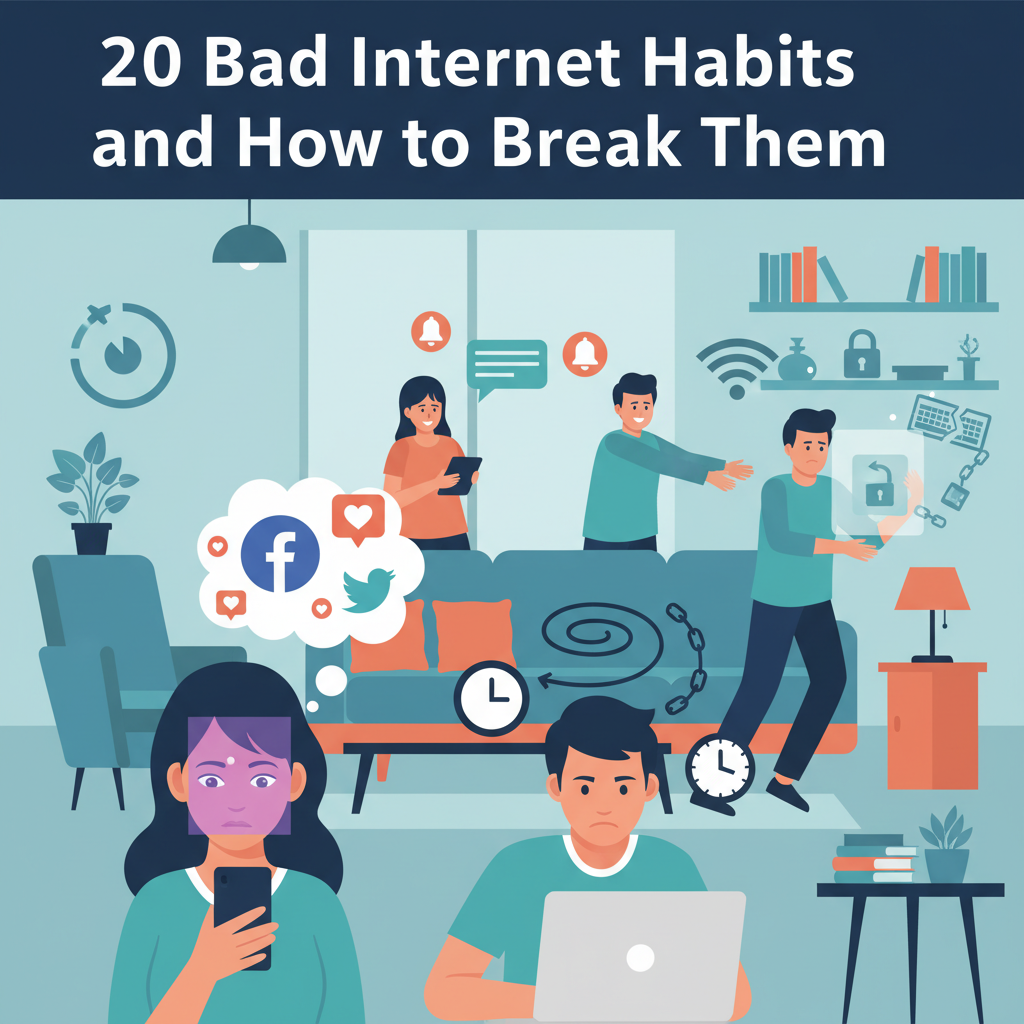
The internet offers countless benefits, but many people fall into unhealthy online habits that can harm productivity, safety, and well-being. This article explores the 20 most common bad internet habits and provides effective, practical solutions to help you enjoy a safer, healthier, and more balanced digital life.
Breaking 20 Common Bad Internet Habits
- Procrastination with Endless Browsing: Refreshing feeds or aimlessly surfing delays important tasks, undermining productivity. Set time limits with browser extensions and schedule regular breaks for offline activities to retrain your focus.
- Constant Multitasking: Attending to multiple tabs or devices dilutes concentration and heightens stress. Batch similar tasks together and silence notifications during focused work to reclaim mental clarity.
- Oversharing on Social Media: Excessive personal disclosure risks privacy and safety. Review privacy settings, share thoughtfully, and pause before posting sensitive information to establish safer boundaries.
- Falling for Clickbait: Clickbait not only wastes time but can lead to misinformation or malware. Hover over unfamiliar links, seek reputable sources, and question sensational headlines before engaging.
- Using Weak or Repetitive Passwords: Predictable credentials are a cybercriminal’s gateway. Adopt a password manager and use unique, strong passwords for each account to fortify your digital identity.
- Ignoring Software Updates: Skipping updates exposes you to unpatched vulnerabilities. Enable automatic updates and schedule manual checks, recognizing they’re critical for device security.
- Neglecting Personal Privacy Settings: Outdated permissions can overexpose your data. Regularly audit app and site settings—adjusting permissions and limiting data sharing proactively.
- Reacting Emotionally Online: Quick, unfiltered responses can escalate conflict or regret. Practice mindful communication—pause, reread, or step away before replying, especially during heated exchanges.
- Accepting Unknown Friend Requests: Connecting indiscriminately opens doors to scams or phishing. Accept only known contacts and regularly review your friend or follower lists for suspicious profiles.
- Uploading Unsecured Files: Sharing files without encryption enables breaches. Use secure file-sharing tools and avoid transmitting sensitive data over open networks.
- Shopping on Unsafe Websites: Inputting payment information into insecure sites can result in financial theft. Look for HTTPS, research sellers, and use virtual cards or payment intermediaries.
- Forgoing Two-Factor Authentication (2FA): Skipping 2FA weakens login security. Activate it where possible to add another critical protection layer to all key accounts.
- Ignoring Device Backups: Data loss from theft or failure is common. Set up automatic cloud or offline backups and periodically test recovery options to ensure your information is safe.
- Scrolling Mindlessly Before Bed: Blue light and constant stimulation disrupt sleep. Set a nightly device curfew and replace scrolling with screen-free wind-down routines.
- Leaving Social Profiles Public: Publicly visible information aids identity theft. Restrict your profiles and review visibility settings to control who can view your details and content.
- Forwarding Chain Messages Without Verification: Misinformation spreads rapidly online. Fact-check before forwarding messages and encourage trustworthy digital communication in your circles.
- Disregarding Online Etiquette: Poor netiquette can damage relationships and cause misunderstandings. Consider tone, respect cultural differences, and uphold community guidelines in all interactions.
- Using Open Wi-Fi Without Protection: Public networks are prone to interception. Use a VPN on unsecured networks, and avoid sensitive logins outside trusted connections.
- Binge-Watching as a Coping Mechanism: Escaping stress via endless streaming may backfire emotionally. Set intentional viewing periods and swap screen time for restorative offline hobbies regularly.
- Storing Sensitive Info in Plain Sight: Keeping passwords or financial details in unencrypted documents can lead to disaster. Use encrypted storage and avoid writing down sensitive info in accessible places.
Regularly self-assess your patterns by reviewing digital routines and enlisting the help of built-in screen time analytics or tracking apps. Choose one habit to tackle at a time, draw on these solutions, and persistently refine your digital behavior for a safer, more mindful internet experience.
Conclusions
Awareness of your internet habits is the first step to better digital health. By recognizing bad patterns and applying the right solutions, you can boost productivity, protect your privacy, and nurture your well-being. Start small, stay consistent, and make thoughtful choices to build a healthier relationship with the internet today and in the future.