

 Русский
 Bahasa Indonesia
 فارسی
فارسی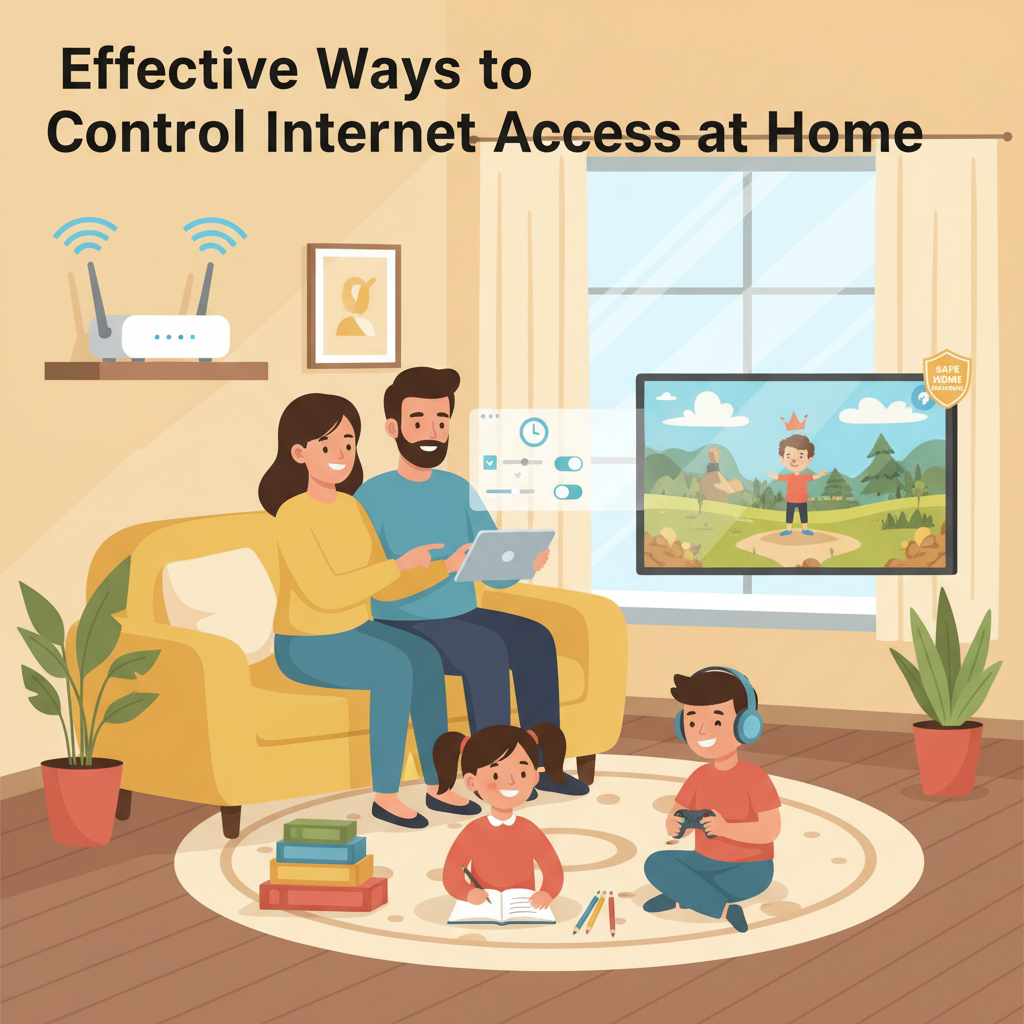
Managing internet access at home has become crucial for families and individuals aiming to balance connectivity, safety, and productivity. With a range of devices and online distractions, understanding the methods and tools to control internet use is essential. In this guide, we explore comprehensive strategies to help you oversee and optimize digital access within your household.
Methods and Best Practices for Managing Home Internet Access
The most effective approaches to managing internet access at home rely on blending technical tools with thoughtful, ongoing family discussions. A foundational step is configuring your router settings. Most modern routers offer built-in parental control features, enabling you to create schedules for when devices can access the internet, block inappropriate websites, and monitor overall usage. By accessing your router’s admin interface, you can assign different restrictions based on users or devices, ensuring each family member gets the level of access that fits their needs and responsibilities.
Additionally, third-party parental control software like Qustodio, Norton Family, or OpenDNS FamilyShield offers granular filtering, activity reports, and time management functions. These can be used to block explicit content, limit use of particular apps, or receive alerts about unusual activity. Leading internet service providers (ISPs) today also offer portals and apps with built-in safety and access tools, granting you central control over multiple aspects of your home’s internet use.
Scheduling is especially powerful: it helps foster healthy habits and ensures that screens don’t interfere with important activities like sleep or homework. By setting device-specific internet time windows, you guide family members towards responsible digital routines. Monitoring bandwidth and traffic levels can uncover excessive gaming or streaming that may affect network performance, enabling fairer usage for everyone.
To further enhance safety, establish a strong firewall to prevent unauthorized access and consider setting up a guest network. This isolates visitor devices from your main network, protecting personal information. Device-specific controls, such as those on smartphones, tablets, and gaming consoles, provide another layer of individualized management and are especially useful for younger children. All these methods should be complemented by open discussions about privacy, respect, and responsible usage, creating a secure yet flexible environment that matches your home’s unique needs.
Conclusions
Controlling internet access at home requires a combination of technical solutions and clear communication. By using router settings, parental controls, and fostering open discussions, you can create a safer, more balanced online environment. These methods not only promote digital wellbeing but also ensure your family’s internet usage aligns with your household’s values and needs.