

 Русский
 Bahasa Indonesia
 فارسی
فارسی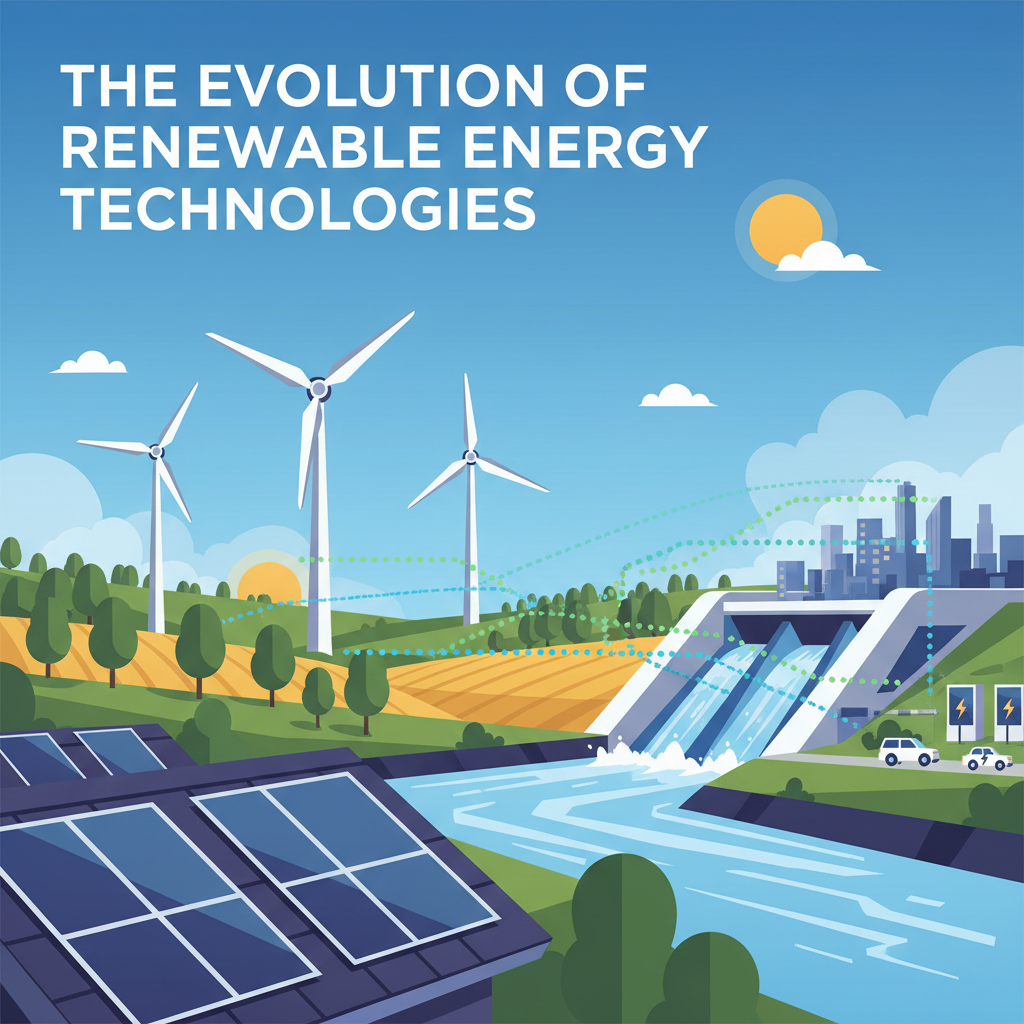
Renewable energy is transforming the global power landscape, offering sustainable alternatives to fossil fuels. As technological advancements accelerate, understanding how solar, wind, hydro, and other renewables have evolved is crucial. This article explores the milestones, innovations, and challenges shaping the future of clean energy, providing a comprehensive guide to modern renewable technologies.
Foundations of Renewable Energy
The fundamental principles of renewable energy are rooted in harnessing naturally replenishing resources—such as sunlight, wind, water, geothermal heat, and biomass—to generate usable power. Unlike fossil fuels, which are finite and generate significant greenhouse gas emissions, renewables offer a path to sustainable, clean energy with a lower environmental impact. Historically, civilizations have leveraged these resources for centuries: ancient civilizations used water wheels for irrigation and grinding grain, while windmills turned breezes into mechanical work in Persia and Medieval Europe. Solar architecture, seen in ancient Greek and Roman designs, passively captured sunlight for heating. As the Industrial Revolution unfolded in the 18th and 19th centuries, the world’s energy needs grew significantly, leading to large-scale reliance on coal, oil, and gas. The environmental consequences of these fuels—including pollution and climate change—prompted a gradual search for alternatives, especially after events like the 1970s oil crises (see: Wikipedia, History of renewable energy). Early technologies, such as the first hydroelectric generators in the late 1800s and small wind turbines, demonstrated renewables’ potential to provide energy security and energy independence, setting the stage for today’s rapidly growing sector.
Advancements in Solar Power
Renewable energy is rooted in the principle of harnessing naturally replenishing resources to generate power, a concept that distinguishes it from fossil fuels, which are finite and environmentally problematic. The foundations of this field were laid by recognizing natural cycles—like the Sun’s radiation, wind patterns, water flow, and biological growth—as ongoing power sources. Historically, civilizations tapped into renewable energy with basic yet impactful technologies. Waterwheels, widely used in ancient Greece and China, converted the kinetic energy of flowing rivers into mechanical work for grinding grain and irrigation. Similarly, windmills, appearing in Persia around the 7th century according to archaeological records, enabled communities to pump water and mill grain without manual labor or fuel combustion. By the 19th century, scientists like Edmond Becquerel discovered the photovoltaic effect, paving the way for the first solar cells decades later (Wikipedia). The global search for alternatives intensified during the 20th century as fossil fuel consumption led to resource depletion and alarming pollution levels. These challenges, coupled with technological advances, revived and propelled interest in renewable energy, positioning it as a crucial solution for sustainable development and climate change mitigation.
The Growth of Wind Energy
The fundamental principles of renewable energy are founded on the use of naturally replenished resources like sunlight, wind, water, and geothermal heat to generate power. Unlike fossil fuels—coal, oil, and natural gas—these sources emit little or no greenhouse gases, ensuring a minimal environmental footprint. Historically, societies have utilized renewable energy in various forms for centuries. Windmills have been documented across Persia and Europe since at least the 9th century, primarily for grinding grain and pumping water. Waterwheels date even earlier, serving as vital mechanical power for milling and irrigation throughout Roman and Chinese civilizations. According to Wikipedia, these foundational technologies gradually evolved, harnessing the basic physics of kinetic and potential energy conversion.
The industrial revolution marked a turning point, as the world’s surging demand for energy was met primarily by coal and later petroleum. However, as recognition of pollution and resource depletion grew in the twentieth century, governments and scientists began seeking sustainable alternatives. The oil crises of the 1970s highlighted energy security challenges, galvanizing interest in renewable solutions. The foundations laid by early wind, water, and solar technologies provided the template for the sophisticated, large-scale clean power systems seen today, demonstrating the ongoing importance of innovation and adaptation in meeting humanity’s energy needs.
Hydroelectric and Emerging Renewables
Renewable energy is grounded in the principle of harnessing naturally replenishing resources to generate power. Unlike fossil fuels such as coal, oil, and natural gas—which release carbon dioxide and other harmful pollutants when burned—renewable sources offer environmentally friendly alternatives that do not deplete over time. The global reliance on fossil fuels accelerated during the Industrial Revolution, leading to significant atmospheric pollution, resource scarcity, and the urgent challenge of climate change. Recognizing these consequences, societies began exploring alternative energy systems to reduce their environmental impact, combat resource limits, and ensure long-term energy security (Wikipedia: History of renewable energy).
The roots of renewable technology stretch back centuries. Ancient civilizations used wind to propel ships and grind grain, while waterwheels powered machinery alongside rivers. The use of biomass, in the form of wood and other organic materials, provided heat and light for early societies. The invention of the solar cell in the 19th century marked a significant advance, yet it was not until the oil crises of the 20th century that governments and scientists began serious investments in modern renewables. Early large-scale technologies, like hydroelectric dams, laid the foundations for today’s sophisticated clean energy solutions, setting the stage for ongoing innovation and adoption.
Integrating Renewables into Power Grids
The foundation of renewable energy lies in its ability to harness power from natural sources that are continually replenished, such as sunlight, wind, rain, tides, and geothermal heat. Historically, civilizations relied on these forces long before the rise of fossil fuels. For centuries, waterwheels captured river currents to mill grain, while early windmills—dating back to 7th-century Persia—pumped water and ground crops across Asia and Europe. The use of passive solar heating in ancient Roman architecture provided early examples of using the sun’s energy for heating homes (Wikipedia: History of Renewable Energy). The shift away from these sources began with the industrial revolution and the discovery of vast fossil fuel reserves, which offered reliable and concentrated energy. However, the environmental consequences of burning coal, oil, and gas—including air pollution and rising greenhouse gas levels—eventually triggered global concern. As evidence of resource depletion and climate change mounted throughout the 20th century, the world turned back to the concept of clean, sustainable energy. This rekindled interest led to significant research and innovation, setting the stage for the advanced renewable technologies that power modern society.
Challenges and the Future of Clean Energy
The fundamental principles of renewable energy are rooted in harnessing naturally replenished resources—such as sunlight, wind, water, and biomass—to generate usable power. Unlike fossil fuels, which take millions of years to form and release carbon dioxide when burnt, renewables offer a pathway to energy production that minimizes environmental impact. The historical context for renewable energy dates back centuries. Wind energy powered sails and early windmills for milling grain and pumping water as early as the 9th century in Persia, while waterwheels fueled mechanical processes in ancient Greece and Rome. Solar technologies began to emerge in the 19th century with the invention of the solar cell by Edmond Becquerel.
The world’s accelerated pursuit of alternatives to fossil fuels began in the 20th century amidst growing concerns over air pollution, finite fuel reserves, economic vulnerability due to oil shocks, and the emerging understanding of climate change. This shift prompted rapid research and development in fields like hydroelectricity, which became a major power source in the early 1900s, and the deployment of the first large-scale wind turbines during the oil crises of the 1970s. These early innovations laid the groundwork for today’s diverse, clean, and increasingly efficient energy systems. Reliable sources such as Wikipedia detail these historical milestones and their transformative impact on society’s approach to power generation.
Conclusions
Renewable energy technologies have advanced rapidly, making clean power more accessible and efficient worldwide. Innovation in solar, wind, and other renewables continues to reduce costs and environmental impact. These advancements are crucial for combating climate change and ensuring a sustainable future. Staying informed about clean energy trends empowers individuals and communities to support a greener planet.