

 Русский
 Bahasa Indonesia
 فارسی
فارسی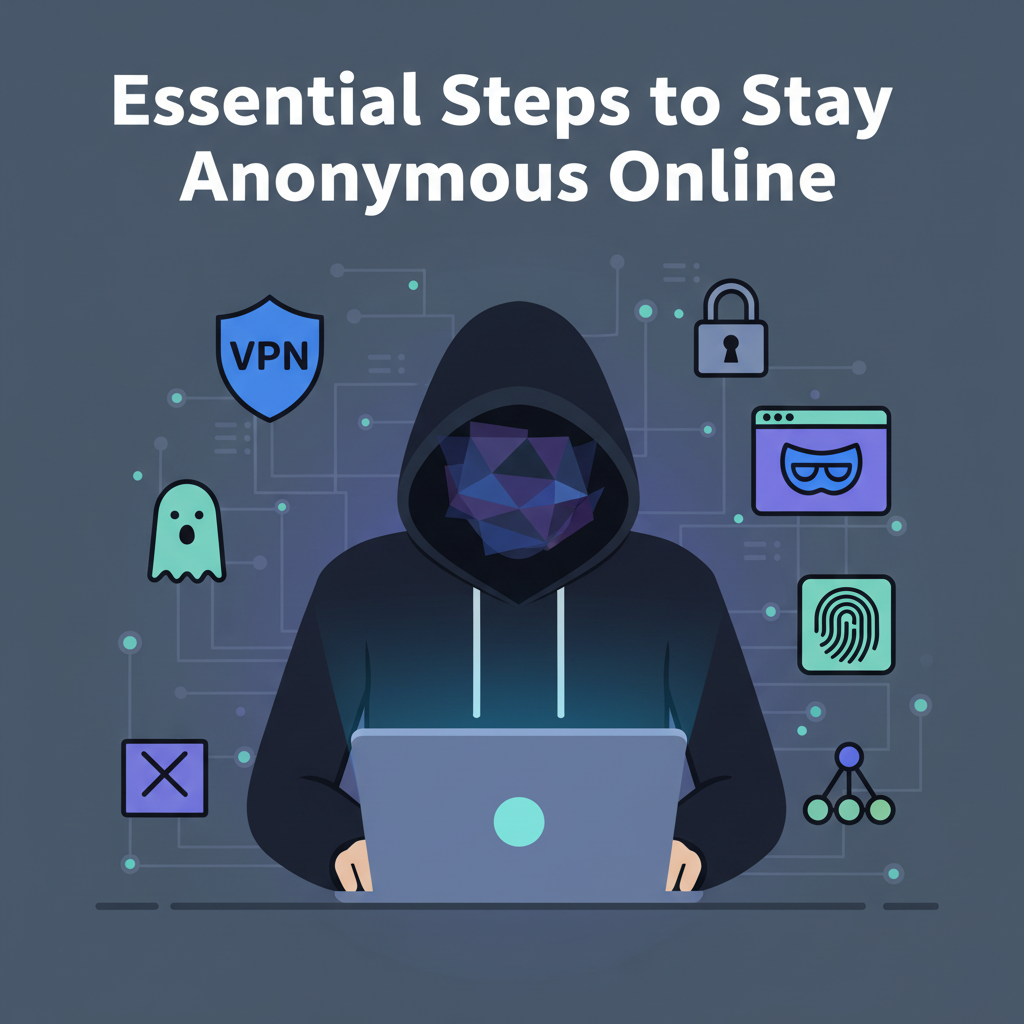
Online anonymity has become increasingly important in a world where personal data is constantly collected, tracked, and shared. This article explores practical and effective ways to maintain your privacy and minimize your digital footprint while navigating the internet. Learn the essential steps, tools, and best practices that will help you stay anonymous and protect your sensitive information online.
Effective Ways to Maintain Anonymity on the Internet
To maintain anonymity online, individuals must integrate multiple privacy tools and practices, layering their defenses to minimize traceability. One robust approach is using privacy-focused browsers like Tor, which routes internet traffic through a distributed network, masking both identity and location. Tor also blocks tracking scripts by default, reducing exposure to third-party cookies and tracking pixels, as cited by Wikipedia. However, users should be mindful that merely using Tor is not sufficient; disabling browser scripts (such as JavaScript) further limits the risk of fingerprinting or deanonymization.
Choosing search engines that do not log queries, such as DuckDuckGo or Startpage, helps prevent companies from building user profiles based on search habits. Users should regularly clear browsing data and disable third-party cookies to minimize tracking. More advanced techniques, like adjusting or randomizing browser fingerprint data—unique identifiers generated by browser and device specifications—can hinder profiling efforts by websites.
Secure communication remains essential. Employ encrypted messaging platforms like Signal or Session, which shield conversations from interception by using robust end-to-end encryption. Password hygiene is another pillar: opting for randomly generated, strong passwords and unique combinations per account dramatically decreases the risk of compromise; password managers can facilitate secure storage and management.
On the device side, maintaining up-to-date security patches and restricting unnecessary permissions mitigates vulnerability exposure. VPNs are valuable for masking IP addresses and preventing websites as well as ISPs from tracking online activity. Best practices include choosing VPN providers that enforce strict no-logs policies and using multi-hop configurations when available. For social media, individuals should avoid using real names and identifiable information, refrain from geotagging posts, and periodically audit privacy settings. Continuous vigilance—such as monitoring privacy news, re-assessing app permissions, and adapting to new threats—ensures that anonymity measures remain effective and resilient to evolving risks.
Conclusions
Maintaining anonymity online requires adopting strong privacy habits, using the right tools, and staying alert to potential threats. By combining secure browsing practices with privacy-focused software, you can greatly reduce your digital footprint and protect your personal information. Being proactive about your privacy gives you more control over your digital life and keeps your online activities truly confidential.