

 Русский
 Bahasa Indonesia
 فارسی
فارسی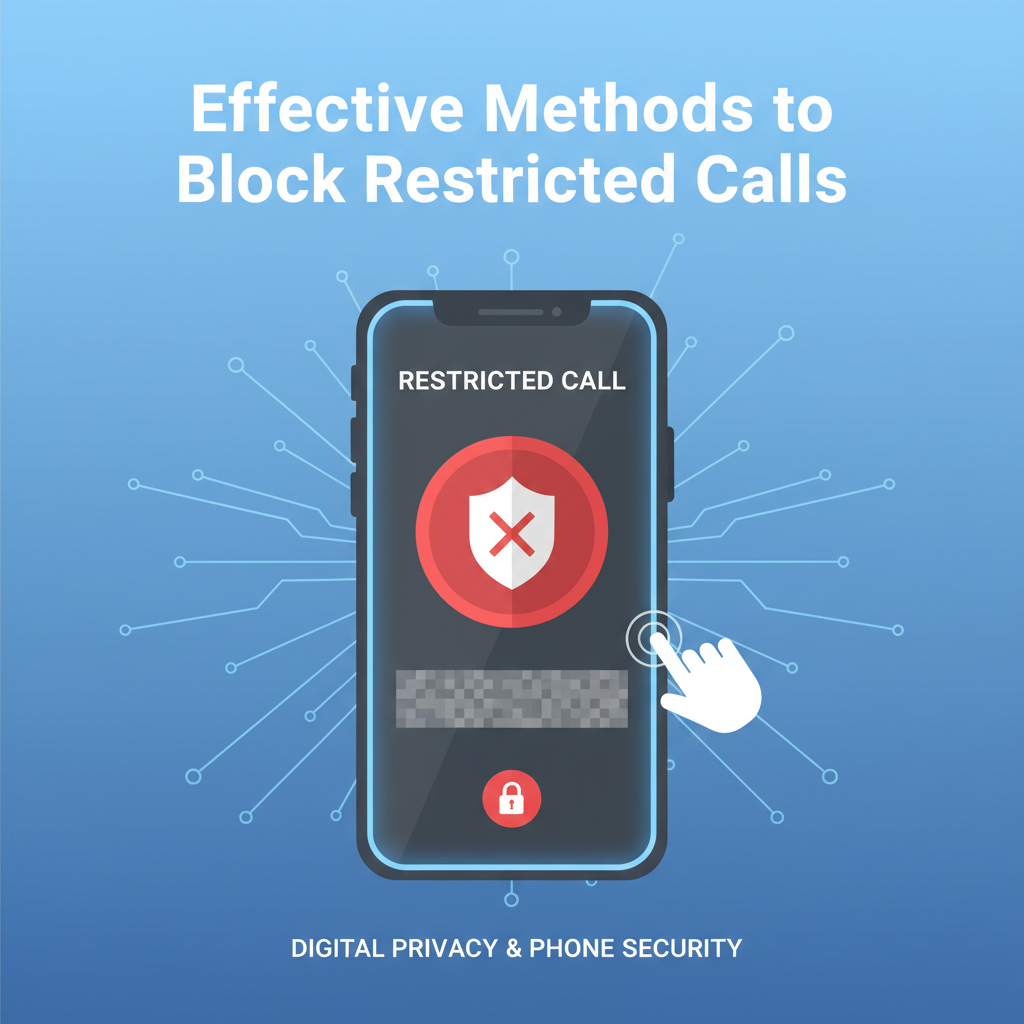
Receiving calls from restricted or unknown numbers can be both annoying and concerning. Many people want to prevent these interruptions to maintain privacy and security. In this article, we explore the best techniques and tools available to block restricted calls, providing practical advice that helps safeguard your peace of mind and ensures your phone remains a source of convenience.
Practical Solutions for Blocking Restricted Calls
Many smartphones offer built-in options to help users block restricted or anonymous calls, but the process varies between Android and iOS devices. On most Android phones, users can go to the phone app, tap the three-dot menu, select “Settings,” and find the “Blocked numbers” or “Call blocking” section. Here, there is often a toggle to “Block calls from unidentified callers”—enabling this ensures that calls without a visible caller ID, including “Restricted” and “Unknown,” are automatically diverted. On iOS, go to the Settings app, scroll down to “Phone,” and then select “Silence Unknown Callers.” This feature sends calls from numbers not in your contacts, messages, or mail, straight to voicemail, reducing unwanted interruptions.
Another highly effective strategy involves using the Do Not Disturb (DND) mode. On both platforms, DND can be customized to allow only calls from your contacts or favorites. This approach essentially shields you from restricted callers since these typically fall outside your saved list.
For even stricter filtering, third-party apps such as Truecaller, Hiya, and RoboKiller provide advanced blocking features. They not only filter restricted calls but also tap into large databases of known spam and telemarketing numbers. Before installing, users should check app permissions and privacy policies to ensure that their own call data is handled securely.
Furthermore, most major mobile carriers offer additional layers of protection—AT&T Call Protect, Verizon Call Filter, and similar services enable users to block anonymous calls at the network level. Carriers can explain the legal boundaries of call blocking in your region, as some jurisdictions have regulations regarding the blocking of certain calls (see Wikipedia for more on call privacy laws and telecommunications policies).
The combined effect of these steps helps individuals minimize distractions and threats from nuisance callers, tightening control over their digital privacy and reducing opportunities for unwanted contact or potential scams.
Conclusions
Blocking restricted calls is an effective way to reduce unwanted interruptions and maintain your privacy. By using built-in phone features, specialized apps, or contacting your carrier, you can control who is able to reach you. Stay proactive and make the most of technological solutions to enjoy a safer and more secure telecommunication experience.