

 Русский
 Bahasa Indonesia
 فارسی
فارسی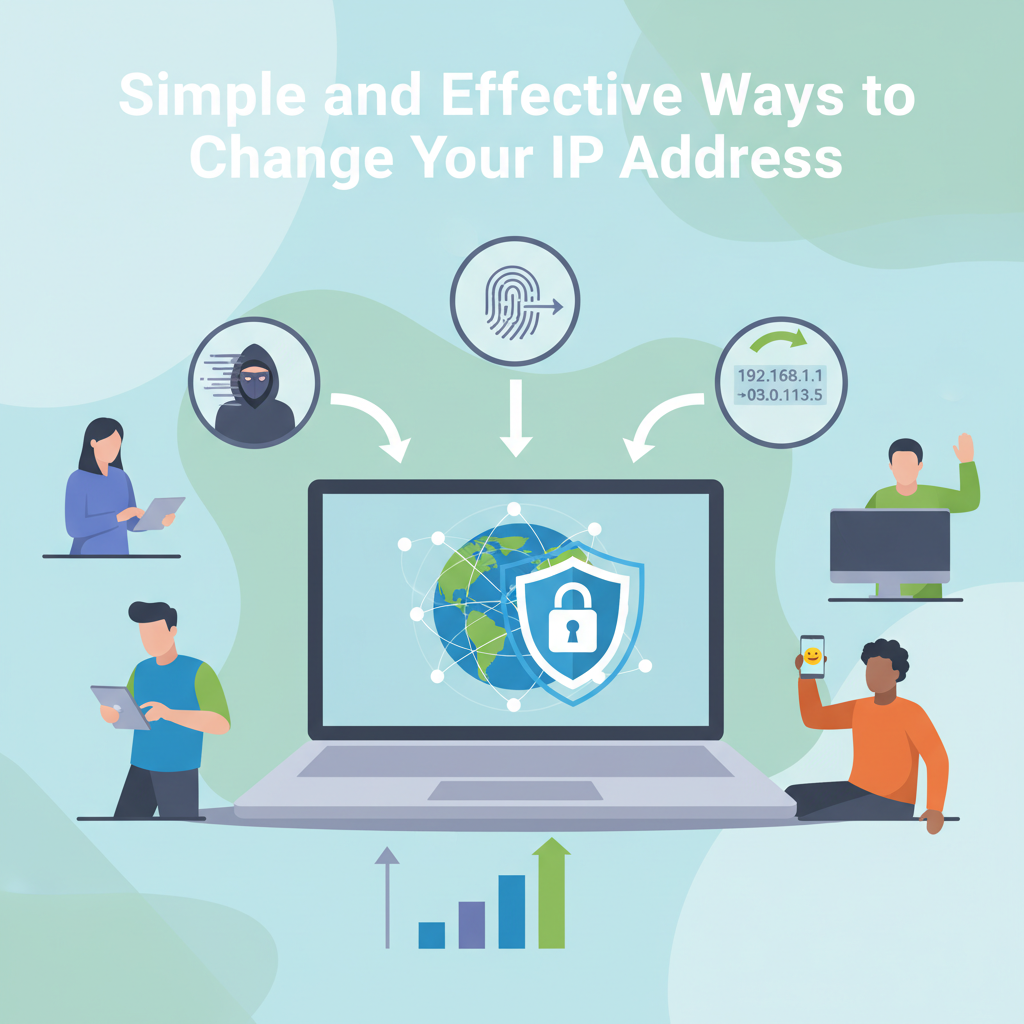
Changing your IP address can be essential for privacy, bypassing restrictions, or troubleshooting network issues. In this article, we explore various reliable and safe methods to alter your IP address, their advantages, and the situations where each method works best. Discover what’s behind an IP address and how to manage your online identity effectively.
Step-by-Step Methods to Change Your IP Address
Changing your IP address can seem daunting, but several trustworthy methods make it accessible for anyone looking to enhance their privacy, bypass digital restrictions, or reduce targeted tracking. One of the simplest techniques is rebooting your home router. By unplugging it for several minutes and then reconnecting, your Internet Service Provider (ISP) may assign you a new IP address. This approach is straightforward, cost-free, and doesn’t require technical knowledge. However, its effectiveness depends on your ISP’s policies; some assign static (unchanging) addresses, while others use dynamic allocation.
Using a Virtual Private Network (VPN) is another highly effective option. A VPN routes your internet traffic through an encrypted tunnel to a server in another location, masking your real IP with one from the VPN server. This method dramatically improves privacy, allows access to region-restricted content, and helps circumvent censorship. According to the Electronic Frontier Foundation, reputable VPNs maintain strict no-log policies, but be wary of free VPNs that may compromise security.
Proxy servers offer a similar function by acting as intermediaries for your web requests. While they can conceal your IP from certain websites, proxies typically lack strong encryption, making them less secure for sensitive activities such as online banking. Proxies work best for quick site-specific anonymity rather than full-device protection.
Finally, using your mobile device as a personal hotspot leverages your cellular provider’s network, granting you a different IP address from that supplied by your home ISP. This method is practical for temporary use, such as evading a local network block, but frequent reliance may lead to increased data charges or throttled speeds.
Adopting these techniques allows for not only improved privacy but also greater freedom online, as you can bypass content restrictions and censorship more effectively. Ensuring you use reputable providers and secure connections is key to safeguarding your personal data throughout these processes.
Conclusions
Understanding how to change your IP address empowers you to protect your privacy, access geo-blocked content, and solve network issues. By following secure methods, such as using VPNs or proxies, you maintain control of your digital footprint. Choose the approach that best suits your needs and always prioritize your security in a connected world.