

 Русский
 Bahasa Indonesia
 فارسی
فارسی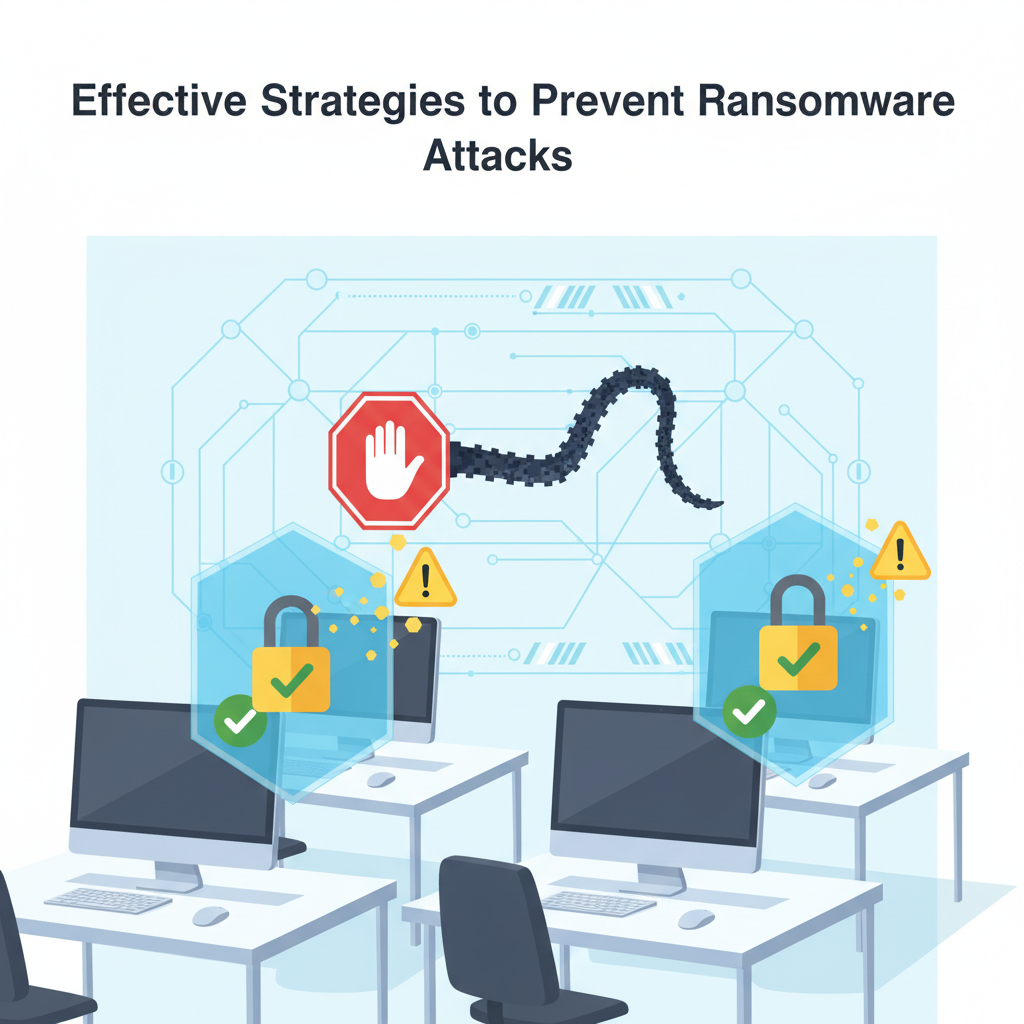
Ransomware poses a serious threat to individuals and organizations worldwide, locking important data behind extortionate paywalls. Understanding how ransomware infiltrates systems is crucial for prevention. This article explores the most effective, actionable steps to protect against ransomware, covering security best practices, user awareness, and robust technological defenses.
Comprehensive Ransomware Prevention Methods
- Keep operating systems and applications up to date: Ransomware exploits security weaknesses in outdated software. Implement an automated patch management process to routinely apply updates across all devices, including endpoints, servers, and applications. Prioritize critical vulnerabilities and ensure legacy systems are isolated or replaced, as unpatched equipment represents attractive targets for attackers.
- Deploy strong antivirus and anti-malware software: Utilize reputable, centrally managed security solutions that offer real-time protection and behavior-based detection. Enable automatic updates for threat definitions. Supplement antivirus with advanced endpoint detection and response (EDR) tools that can identify suspicious activity, stop ransomware processes, and provide actionable alerts to administrators.
- Use robust firewalls and secure network configurations: Implement both network and host-based firewalls to restrict inbound and outbound traffic. Create restrictive rulesets, only allowing necessary ports and protocols. Enable intrusion prevention systems (IPS) and monitor for abnormal access attempts.
- Secure Remote Desktop Protocol (RDP): RDP is a frequent entry point for ransomware. Restrict RDP access to only essential personnel, leverage network-level authentication, enforce the use of strong, unique passwords, and place RDP servers behind VPNs or other secure gateways. Regularly review RDP logs for unauthorized access attempts.
- Regular, isolated backups: Maintain frequent, automated backups of critical data. Store backups offline or in an immutable cloud environment, separate from the primary network. Conduct restoration tests to ensure data integrity and quick recovery if a ransomware attack encrypts live data.
- User education: Conduct ongoing employee training about social engineering, phishing recognition, and safe browsing habits. Simulate phishing campaigns to reinforce vigilance. Encourage users to report suspicious emails and avoid opening unexpected attachments.
- Require multi-factor authentication (MFA): Enforce MFA for all remote access, privileged accounts, and critical systems. This adds a crucial layer to prevent unauthorized logins even if passwords are compromised.
- Network segmentation: Divide the network into distinct security zones, using VLANs or subnets to separate critical assets. Limit user and device access to only necessary areas, reducing the risk of a widespread ransomware infection.
- Incident response planning and access auditing: Develop a detailed incident response plan, regularly review and test procedures, and assign clear roles. Audit access rights frequently, ensuring users have only the permissions they need, promptly revoking access when staff change roles or leave the organization.
- Layered security approach: Combine these methods to create multiple defensive barriers. Layered strategies minimize single points of failure, making it significantly harder for attackers to penetrate your organization and deploy ransomware.
Conclusions
Preventing ransomware requires a combination of vigilance, education, and comprehensive security measures. By keeping software updated, training users, regularly backing up data, and employing advanced protective tools, individuals and businesses can significantly reduce their risk. Stay proactive, foster a security-conscious environment, and your systems will be far less vulnerable to ransomware attacks.