

 Русский
 Bahasa Indonesia
 فارسی
فارسی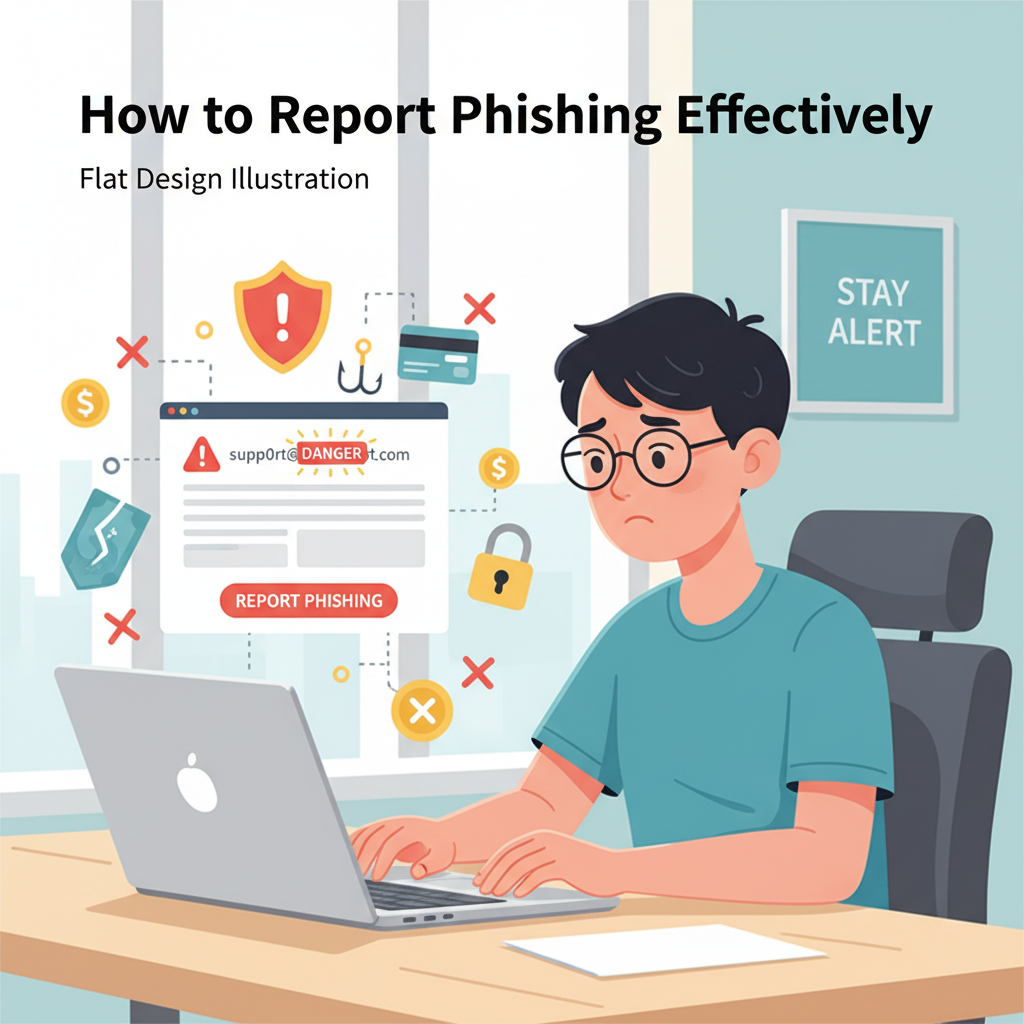
Phishing attacks are increasingly sophisticated, threatening users’ personal information and online security. Recognizing and reporting these fraudulent attempts is crucial to minimizing damage. In this article, you’ll learn step-by-step how to identify phishing, where to report incidents, and why your actions matter in protecting yourself and the broader community from cybercrime.
Step-by-Step Guide to Reporting Phishing
To report phishing effectively, begin by gathering all relevant details about the suspicious message. Once you’ve recognized prominent signs—such as mismatched sender addresses, links that redirect to unofficial sites, unexpected attachments, and a sense of urgency or threats—do not interact further with the message. This means never clicking on suspicious links, downloading files, or replying with any information. Secure your personal information by ensuring you haven’t inadvertently shared sensitive details, and, if you have, follow up with steps to protect your accounts, such as changing passwords.
The process of reporting phishing emails or messages involves several key actions. Forward the phishing email as an attachment, if possible, to the Anti-Phishing Working Group at [email protected]. Many email providers also have built-in tools for reporting suspicious messages; look for options like “Report phishing” or “Mark as suspicious” in your provider’s interface. Using these tools not only flags the email to your provider but also helps improve their defenses against similar threats.
If you are in the United States, submit the phishing attempt to the Federal Trade Commission (FTC) via their dedicated complaint assistant (reportfraud.ftc.gov). UK users should notify Action Fraud either through their website or by forwarding phishing emails to [email protected]. When making a report, always include the full email header information along with the content of the message. Email headers contain crucial routing data that investigators use to trace and dismantle phishing operations.
By contributing to collective intelligence on phishing threats, your report helps protect others and strengthens global efforts to disrupt cybercrime networks, making a real difference in the fight against digital fraud.
Conclusions
Reporting phishing is an essential step in combating online threats. By identifying suspicious activity and notifying the right authorities, you help prevent further harm to yourself and others. Staying vigilant and proactive ensures a safer digital environment for everyone. Keep learning about security practices and do your part to make the internet a safer place.