

 Русский
 Bahasa Indonesia
 فارسی
فارسی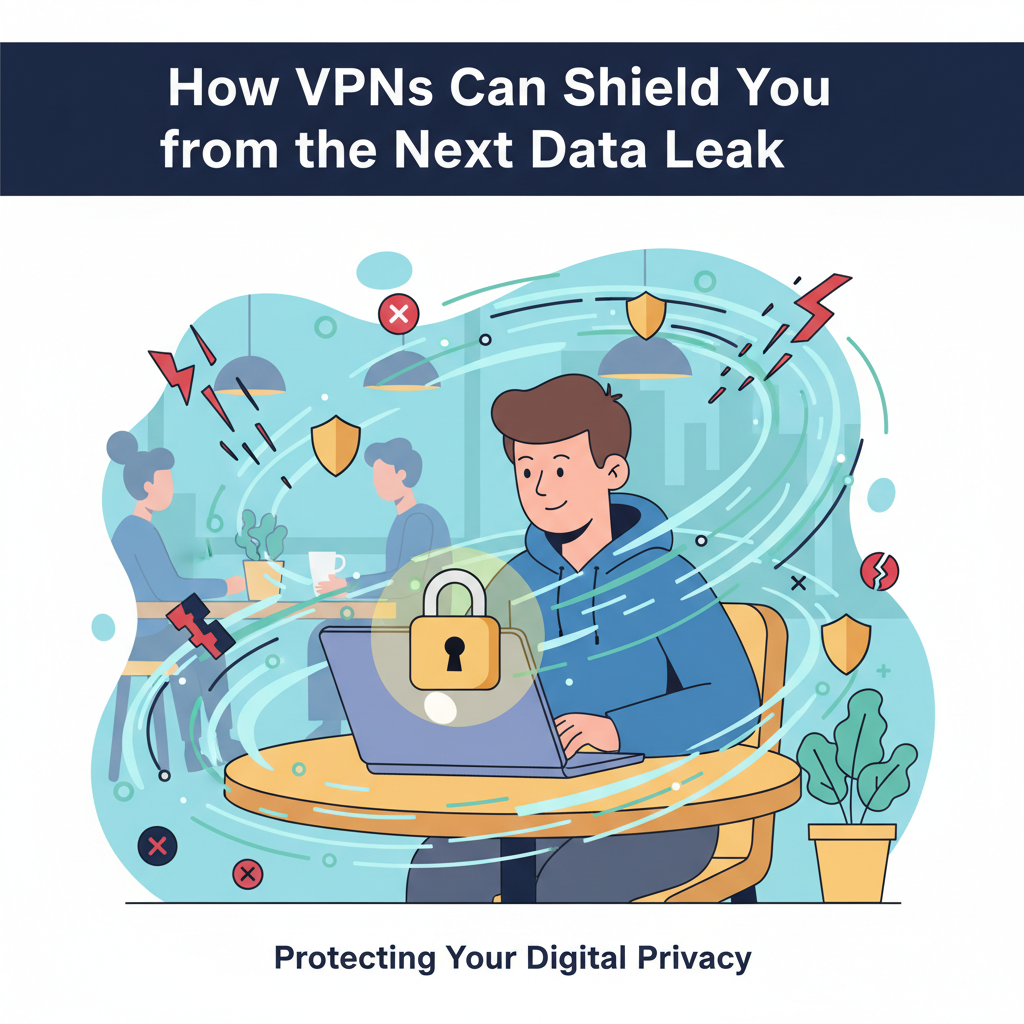
Data leaks have become distressingly common, exposing sensitive personal and financial information to cybercriminals. As threats evolve, so must our defenses. This article explores how VPNs offer robust protection against data leaks, providing an extra layer of security to help keep your information private and secure online.
How VPNs Prevent Your Data from Exposure
A Virtual Private Network, or VPN, works by channeling your internet traffic through an encrypted tunnel between your device and a secure server, safeguarding your data from prying eyes. Using strong encryption protocols such as OpenVPN or WireGuard, a VPN makes it nearly impossible for outsiders—whether cybercriminals, internet service providers, or hackers—to intercept and make sense of your online activities. This cryptographic shield is particularly vital when connected to public Wi-Fi hotspots, where attackers often lay in wait to capture unprotected information exchanged over the network. Even if someone manages to intercept your data as it moves between your device and websites, the robust encryption applied by the VPN renders the data unreadable.
Beyond encrypting your data, VPNs also provide anonymity through IP masking. By masking your real IP address and replacing it with one from the VPN server, you become much harder to track. Sites and online services see only the VPN server’s IP and location, not yours, which adds another layer of privacy, especially when accessing sensitive accounts and personal information. During notable data leaks like the LinkedIn or Yahoo breaches—where millions of personal credentials were exposed—the initial line of attack often involves tracing login attempts and information back to specific IP addresses. With a VPN, your activity is attributed to the VPN, not directly to you, complicating efforts to correlate your actions with leaked data.
To maximize these protections, always choose a VPN provider with a transparent privacy policy and a history of securing its users’ information, ideally one that enforces a strict no-logs policy. Enable the VPN every time you connect to untrusted networks and revisit sensitive accounts, updating your credentials frequently to complement your VPN’s shielding capabilities.
Conclusions
In an age where data breaches are frequent, protecting your information has never been more crucial. VPNs add powerful encryption and anonymity to your browsing, drastically reducing your risk of exposure when a data leak occurs. By using a reputable VPN service, you can significantly increase your resilience to online security threats and better safeguard your privacy.