

 Русский
 Bahasa Indonesia
 فارسی
فارسی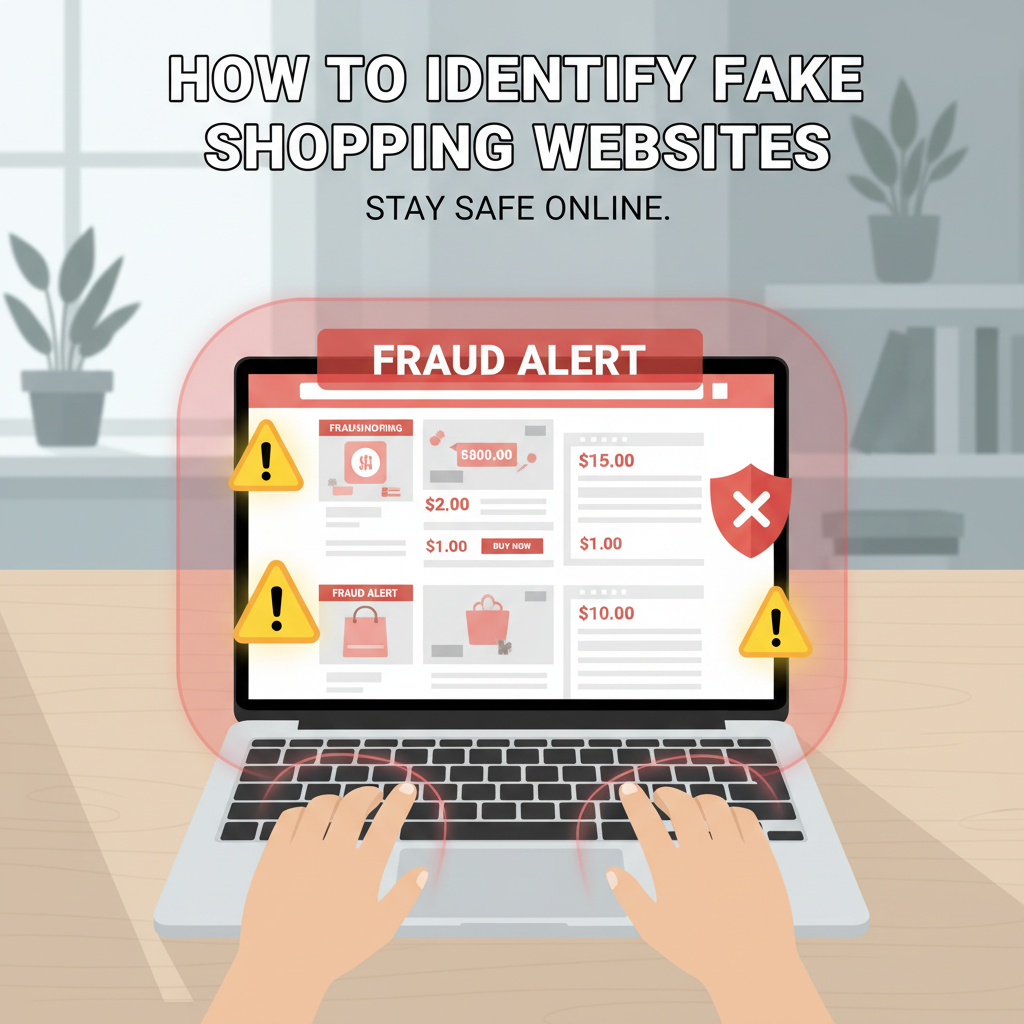
Online shopping is convenient, but it can also be risky if you aren’t careful. Increasing numbers of fake shopping websites are designed to steal your money or personal information. This article explores practical steps and proven methods to help you confidently recognize questionable websites and stay safe when shopping online.
Essential Tips for Detecting Fake Shopping Websites
- Check the website address meticulously. One of the simplest but most effective ways to spot a fake shopping website is by scrutinizing the URL. Fraudulent sites often use addresses that closely mimic legitimate brands, substituting letters or adding extra characters (for example, “amaz0n” instead of “amazon”). Look carefully for these subtle changes, and beware of websites with random strings or unusual domain extensions like “.shop-now” or “.online” instead of trusted “.com” or country-specific domains.
- Assess the site’s security features. Legitimate shopping sites encrypt your information, indicated by “https://” at the beginning of the URL and a padlock icon in the address bar. If the site only displays “http://” or lacks a padlock, avoid entering any personal data.
- Analyze the quality and layout of the website. Fake websites often betray themselves with poor design, low-quality images, spelling mistakes, and awkward English. Pay attention to website navigation – if pages are broken, buttons don’t work, or essential sections like “About Us” are missing, it’s time to be suspicious.
- Research the business rigorously. Use independent sources to verify the company’s legitimacy. Search for the business name along with words like “scam” or “review.” Check trusted consumer forums and look for credible reviews. Be skeptical of overly glowing testimonials displayed solely on the site itself, as scammers fabricate these to appear trustworthy.
- Scrutinize contact details and company information. Fake sites typically offer generic or incomplete contact methods, such as web forms or anonymous email addresses. Try calling any phone numbers or searching the given physical address on an online map.
- One of the biggest red flags is unrealistic pricing or payment options. If the prices seem too low or the store only accepts wire transfers or cryptocurrency, approach with extreme caution—these payment types are harder to trace and refund.
- Be aware of counterfeit trust symbols and cloned site designs. Scammers sometimes copy logos from well-known security companies or create professional-looking sites mimicking popular brands. Mouse over badges to see if they link to the certificate issuer’s verification page.
- If you suspect a site is fake, avoid making any purchases, stop sharing information, and exit immediately. Report the site to authorities such as the Federal Trade Commission or your national consumer protection agency, and consider alerting your bank if you entered financial details. Change passwords used on the suspected site and monitor your accounts for suspicious activity.
Conclusions
Being able to identify fake shopping websites is crucial for your online safety. By analyzing key signals, checking for secure features, and trusting your instincts, you can avoid falling victim to scams. Stay vigilant, research thoroughly, and always shop on trusted platforms to protect yourself and your purchases from cyber threats.