

 Русский
 Bahasa Indonesia
 فارسی
فارسی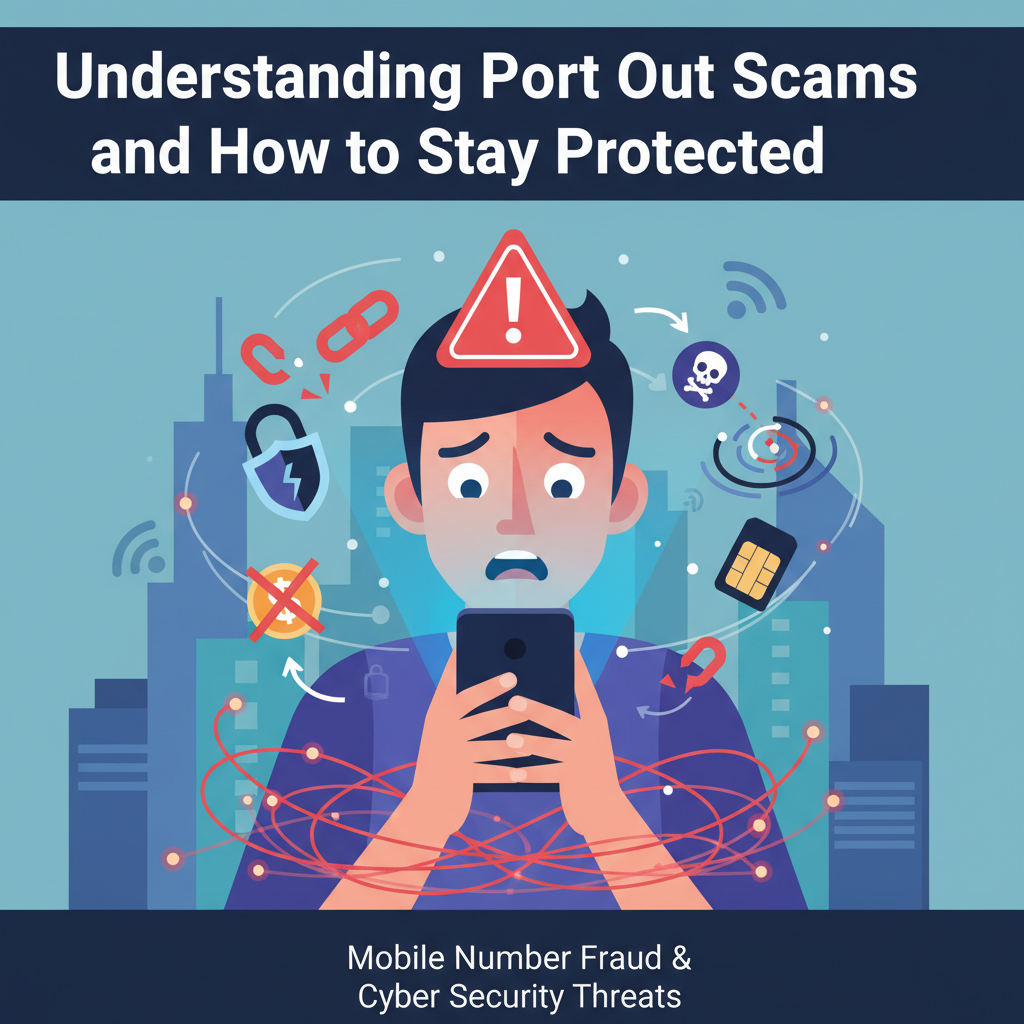
Port out scams are a growing threat in today’s digital age. This article reveals how these scams work, what risks they pose to consumers, and provides actionable advice on preventing identity theft and protecting your mobile number from fraudsters.
How Port Out Scams Work and Prevention Strategies
A port out scam begins when a fraudster gathers enough personal data to impersonate the legitimate owner of a mobile number. With this information, the scammer contacts your mobile provider—either online, over the phone, or sometimes in-person—posing as you and requests that your phone number be transferred, or “ported,” to a different carrier. This process is usually intended for customers who wish to switch providers while keeping their existing number, but in the hands of criminals, it becomes a powerful tool for identity theft and account takeover.
Attackers typically collect the necessary information using a variety of tactics. Phishing emails and messages often trick victims into revealing login credentials, account numbers, or answers to security questions. Social engineering, where attackers manipulate customer service representatives or even the victims themselves, is another common technique. Data breaches at companies or financial institutions can also unleash sensitive data—like your name, phone number, address, or date of birth—that is then traded or sold on the dark web.
Once the port out is successful, the attacker controls your phone number, intercepting calls and texts meant for you. This access can compromise accounts relying on SMS or call-based two-factor authentication, enabling the intruder to reset passwords for financial services, email accounts, or social media. The consequences can range from unauthorized monetary transactions to widespread invasion of privacy.
To reduce risk, customers should set unique PINs or account passwords with their carrier and avoid sharing personal information through suspicious channels. Regularly monitoring carrier account activity and enabling additional security features—like port-out protection or multi-factor authentication—adds extra layers of defense. Understanding your carrier’s porting process and promptly reporting anything unusual can make all the difference in preventing or minimizing damage. If you suspect unauthorized activity, immediately contact your provider to freeze the porting process and protect your accounts.
Conclusions
Port out scams pose significant risks by allowing criminals to hijack your mobile number and access your personal accounts. By staying vigilant and following recommended security measures, you can reduce the likelihood of falling victim to this increasingly common type of fraud. Protecting your mobile identity is essential for your overall digital security.