

 Русский
 Bahasa Indonesia
 فارسی
فارسی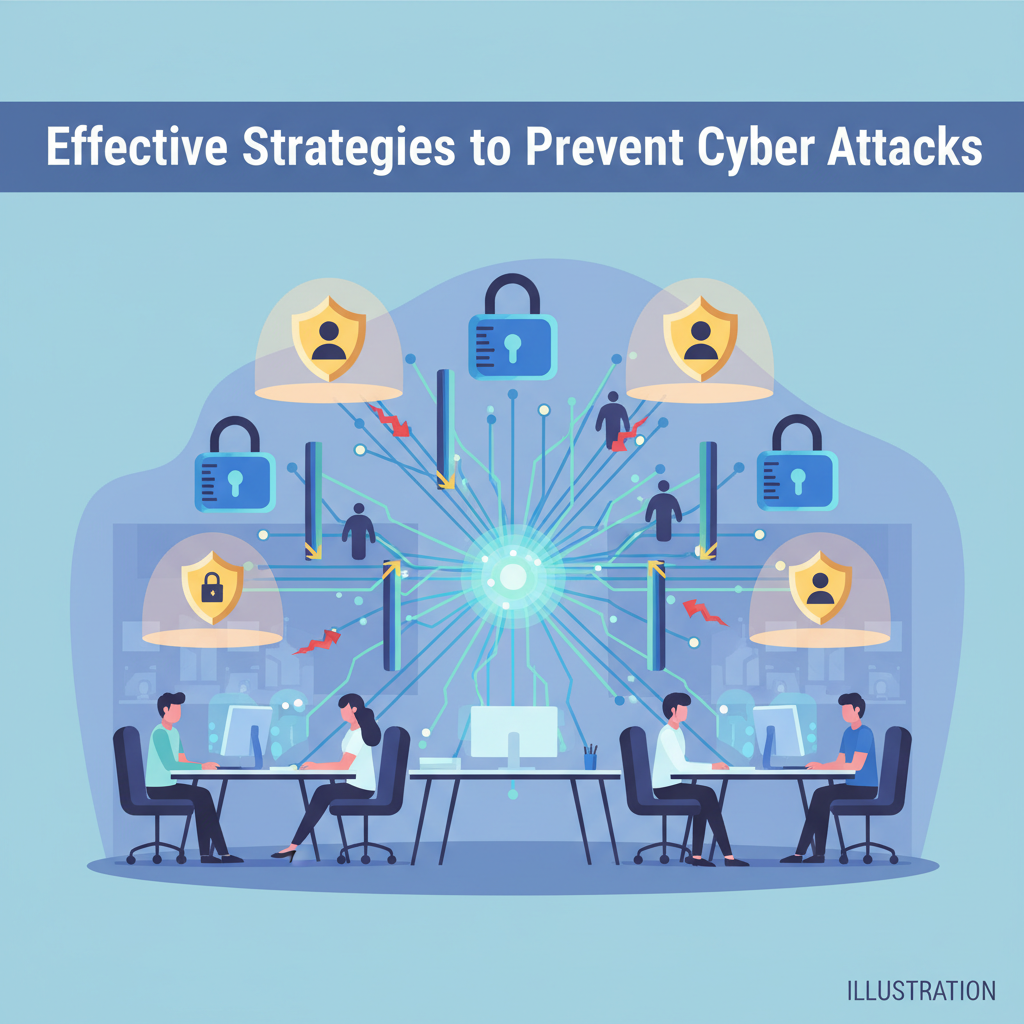
Cyber attacks are a growing threat in our increasingly connected world. Understanding how to minimize your risk and protect your data is crucial for individuals and organizations alike. In this article, we explore the most effective strategies to prevent cyber attacks, empowering you to secure your digital assets and maintain peace of mind online.
Proven Methods to Prevent Cyber Attacks
Implementing proven methods to prevent cyber attacks requires a combination of robust technical controls and behavioral best practices. Begin by ensuring the foundation of all digital accounts: always use strong, unique passwords for every service. Avoid common or easily guessable phrases and rely on a combination of uppercase and lowercase letters, numbers, and special characters. To further bolster account security, enable multi-factor authentication (MFA) wherever possible, which requires an additional verification step such as a code sent to your mobile device or an authentication app. This ensures that even if a password is compromised, unauthorized access remains difficult.
Consistently update software, operating systems, and all applications. Cybercriminals often exploit known vulnerabilities, and vendors release patches to mitigate these. Automated updates can help secure systems promptly without waiting for manual intervention. Besides technical measures, prioritize comprehensive cybersecurity awareness training for all users within your organization. Reference reputable sources to craft training programs—Wikipedia’s entry on security awareness stresses the value of teaching employees to spot phishing attempts, handle sensitive data appropriately, and recognize social engineering tactics.
Deploy technical defenses such as network firewalls, modern antivirus solutions, and intrusion detection systems. Firewalls monitor and filter incoming and outgoing traffic; antivirus software identifies malware before it can cause harm; and intrusion detection systems alert you to suspicious activity. Complement these with regular data backups stored in secure, isolated environments. Practice restoring data as well, ensuring recovery plans are reliable and timely in the event of an incident.
Secure Wi-Fi networks with strong encryption and disable default credentials and broadcasting. Limit access to sensitive data through role-based permissions, ensuring only authorized personnel can view or modify crucial information. Implement continuous monitoring solutions that detect anomalies early, providing a crucial window to react to potential threats before they escalate. Each of these methods, grounded in established cybersecurity guidelines, forms a critical layer in a comprehensive defense strategy.
Conclusions
Proactive defense is key to preventing cyber attacks. By adopting a multi-layered approach, staying informed, and using robust security practices, you can significantly reduce your vulnerability. Consistent vigilance and ongoing education are essential to keeping your digital life and organizational data protected from evolving cyber threats.