

 Русский
 Bahasa Indonesia
 فارسی
فارسی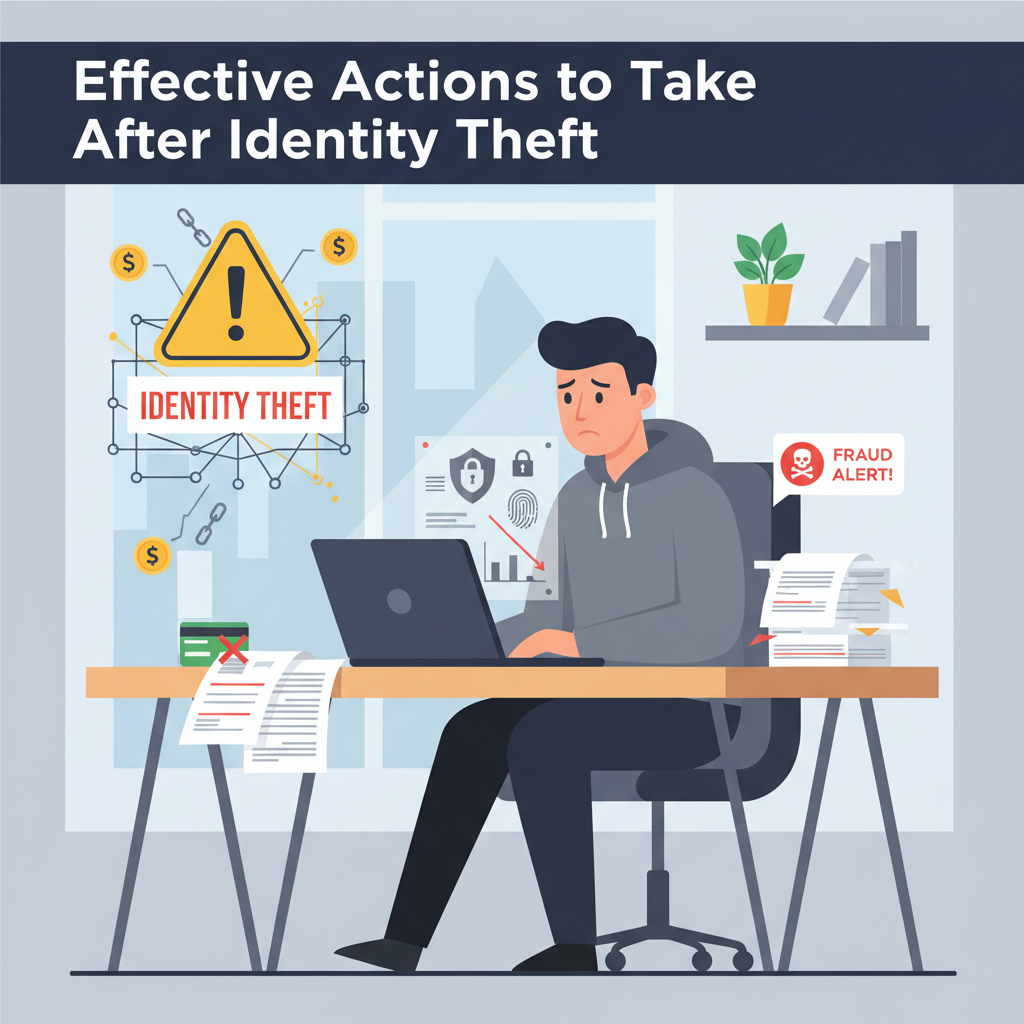
Identity theft can be a distressing experience, but understanding the right steps to take will help you regain control and minimize harm. In this article, we’ll guide you through everything you should do immediately after discovering identity theft, ensuring your finances and personal information remain as secure as possible.
Immediate Response and Recovery Steps
Once you recognize that your identity has been stolen, acting swiftly is critical to minimize damage and set the stage for recovery. Your first step should be contacting one of the major credit bureaus—Equifax, Experian, or TransUnion—to place a fraud alert on your credit file. This alert notifies lenders to take additional steps to verify your identity before extending credit, helping to prevent further misuse. Request that the bureau you contact notify the other two, as required by many national laws, to ensure broad coverage.
Simultaneously, report the theft to your local police or the relevant national agency, such as the Federal Trade Commission (FTC) in the United States. File an official identity theft report to establish a documented record of the crime, which is crucial for disputing fraudulent accounts. Secure a copy of the police or agency report, as you may need to provide this to banks and credit issuers. Immediately contact your financial institutions to freeze or close any compromised bank, credit, or other accounts. Ask about setting up new, secure accounts and ensure that no transactions can take place until your identity is confirmed.
It’s vital to keep thorough documentation during this period. Maintain a written record of every conversation, including dates, names, reference numbers, and summaries of discussions. Keep copies of all written correspondence and any new account agreements. Regularly check your credit reports for signs of unauthorized activity and dispute unfamiliar entries without delay. When communicating with impacted companies, maintain a calm but assertive tone and provide all necessary documentation to expedite investigations and credit restoration processes. This organized and immediate response increases the likelihood of limiting financial losses and restoring your credit standing more rapidly.
Conclusions
Responding quickly and methodically to identity theft is vital. By following the right steps—such as reporting the theft, securing your accounts, and monitoring your records—you can limit lasting damage. Stay vigilant and educate yourself to prevent future incidents. Protecting your identity is an ongoing responsibility in today’s digital world.