
 Русский
 Bahasa Indonesia
 فارسی
فارسی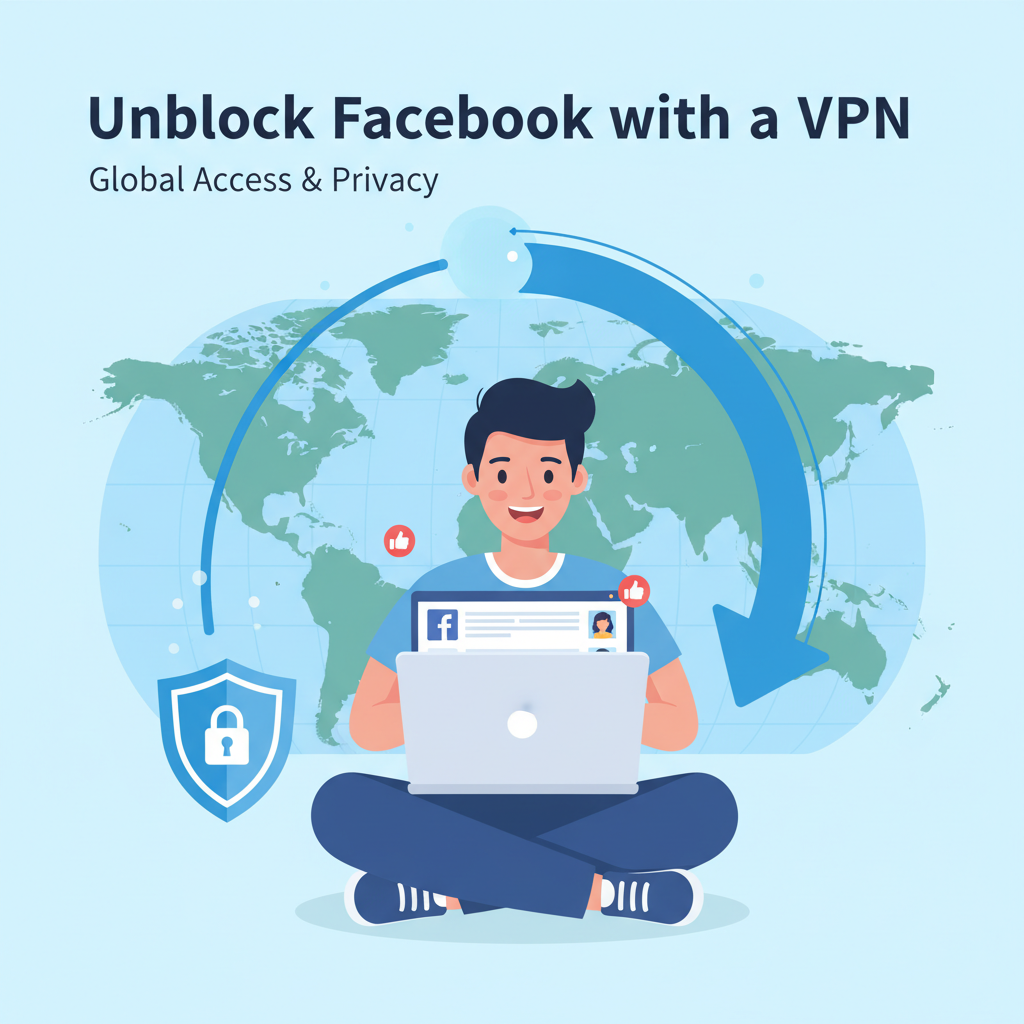
Are you struggling to access Facebook due to regional restrictions or network blocks? Many users worldwide face this common issue, preventing them from connecting with friends and family. This article will guide you through how a Virtual Private Network (VPN) can be your ultimate solution, helping you bypass these restrictions and regain seamless access to your favorite social media platform, ensuring you stay connected no matter where you are.
Why Facebook Gets Blocked and How a VPN Helps
Why Facebook Gets Blocked and How a VPN Helps
Facebook’s accessibility isn’t guaranteed worldwide, often falling victim to governmental censorship in countries aiming to control information flow or suppress dissent. Nations like China (with its “Great Firewall”) and North Korea severely restrict access to many Western social media platforms, including Facebook. Similarly, educational institutions and workplaces frequently implement network policies that block social media sites to minimize distractions and conserve bandwidth. These restrictions are typically enforced through network firewalls that identify and block traffic destined for Facebook’s servers based on their IP addresses or domain names.
This is where a Virtual Private Network (VPN) becomes indispensable. A VPN works by creating a secure, encrypted tunnel between your device and a server operated by the VPN provider. When you connect to a VPN, your internet traffic is routed through this server before reaching its final destination. One of the core technical aspects is IP address masking. Instead of your device’s actual IP address being visible to websites and network administrators, they only see the IP address of the VPN server. This effectively hides your true location and activity from your local network and internet service provider (ISP).
The encryption employed by VPNs scrambles your data, making it unreadable to anyone who might intercept it. Common encryption protocols like OpenVPN, IKEv2, or WireGuard ensure a robust and secure connection. This encrypted tunnel allows your Facebook traffic to bypass local network restrictions. Since your ISP or local network firewall only sees encrypted data traveling to the VPN server, they cannot identify that you are accessing Facebook.
Furthermore, by connecting to a VPN server in a country where Facebook is not restricted, you effectively bypass geo-restrictions. For example, if you are in a country like Russia or Iran where Facebook access might be limited, connecting to a VPN server in the United States or Germany will make it appear as though you are browsing from that chosen location, granting you unrestricted access.
Beyond simply unblocking Facebook, a VPN offers significant benefits, particularly in terms of enhanced privacy and security. When connected to public Wi-Fi networks—often insecure and vulnerable to eavesdropping—a VPN encrypts all your traffic, protecting your personal data from potential hackers. This is crucial for safeguarding sensitive information like login credentials and financial details. The anonymous nature of VPNs also prevents your online activities from being tracked by your ISP or government agencies. However, the effectiveness of these features relies heavily on the quality and reliability of the VPN service. A reputable VPN provider will offer strong encryption, a no-logs policy (meaning they don’t record your activity), and a wide network of servers to ensure consistent access and robust security, even in highly restrictive environments.
Conclusions
In summary, a VPN is an essential tool for anyone looking to unblock Facebook and overcome internet restrictions. By encrypting your connection and masking your IP address, a VPN allows you to bypass firewalls and access content securely from anywhere in the world. Choose a reputable VPN service, follow the setup instructions, and enjoy uninterrupted access to Facebook, safeguarding your online freedom and privacy.