

 Русский
 Bahasa Indonesia
 فارسی
فارسی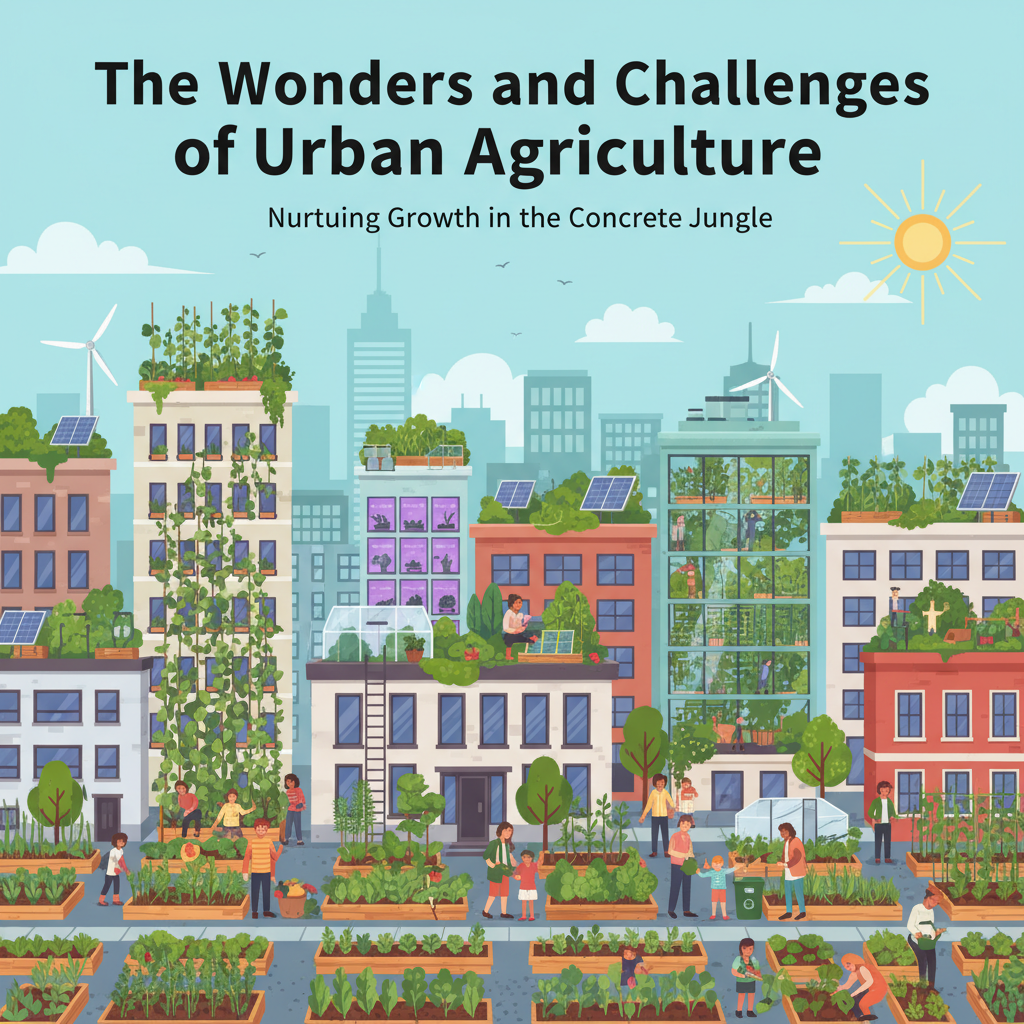
Urban agriculture is revolutionizing the way we think about food production within city environments. This article explores its evolution, benefits, and the technological advancements driving its growth. Dive into the innovative solutions, real-world challenges, and the future potential of growing food in metropolitan spaces. Discover how cities are transforming into green, food-producing ecosystems.
The Evolution and Importance of Urban Agriculture
From the ancient hanging gardens of Babylon to the sophisticated Aztec chinampas, city-based agriculture has been a critical part of human societies for thousands of years. In medieval Europe, households and monasteries commonly tended kitchen gardens within city walls, providing essential nutrition and medicinal herbs. However, with the advent of industrialization and rapid urban growth, this practice waned as food production shifted to rural areas. The late 20th and early 21st centuries, marked by surging urban populations and sprawling cities, have witnessed a vibrant resurgence in urban agriculture. This revival stems from a growing awareness of food insecurity, supply chain vulnerabilities, and a collective desire for fresher, healthier diets. Today, innovative community farms in Detroit, vertical gardens in Singapore, and rooftop greenhouses in Paris stand as testaments to its transformative power. Urban farming not only cushions food supply against shocks but also aligns with demands for more sustainable, locally-sourced produce. It addresses pressing needs—reducing food miles, reconnecting people with the origins of their meals, and making fresh options available in food deserts—making it indispensable for fostering resilient and health-conscious urban communities.
Key Benefits for Cities and Residents
The evolution of urban agriculture traces a dynamic journey shaped by necessity, innovation, and societal transformation. In ancient civilizations such as Babylon and Machu Picchu, urban gardens were integral, providing fresh food within city walls and supplementing trade-based food systems. During the industrial revolution, vast urban migration limited access to fresh produce, yet initiatives such as wartime victory gardens revived the concept, proving the value of hyperlocal production. Fast-forward to the 21st century, and urban agriculture has resurged as cities grow ever denser and global food supply chains face new pressures from climate instability, transportation costs, and rapid urbanization.
Modern urban agriculture manifests in diverse forms—vertical farms in Singapore, floating gardens in Dhaka, and community plots in New York and London. These innovations address the challenge of limited space while supporting local food security, reducing food miles, and providing sustainable solutions to complex logistical issues. As urban populations soar—over half the world’s people now reside in cities—dietary expectations have shifted toward fresher, more diverse foods. The integration of agriculture into urban spaces is thus not only a reclamation of tradition but an essential element for resilient, self-sufficient cities worldwide.
Challenges Facing Urban Farming Initiatives
Urban agriculture’s roots run deep, with ancient civilizations like the Mesopotamians and Egyptians cultivating gardens within city limits, blending sustenance with community resilience. During historical crises—such as the “Victory Gardens” of World War II—city dwellers transformed public and private spaces into vital food sources, demonstrating urban agriculture’s potential in times of scarcity. Today, the necessity has returned with new urgency. Rapid global urbanization means over half of humanity now lives in cities, straining conventional food supply chains and distancing populations from food origins. Urban farming reconnects citizens with what they eat, promotes healthier diets, and fosters community bonds.
In densely populated megacities like Tokyo, formerly unused rooftops now grow vegetables through hydroponic and vertical gardens. Detroit, faced with abandoned lots, has seen residents convert blight into food-producing spaces, boosting food security in underserved neighborhoods. In Havana, the government responded to food shortages by encouraging organopónicos—urban organic farms—supplying up to 50% of the city’s fresh produce. The adaptability and innovation demonstrated by these cities reveal why urban agriculture is not just a trend but a vital strategy to combat food insecurity, meet evolving dietary needs, and build more resilient urban ecosystems in the 21st century.
Innovative Technologies and Farming Practices
Urban agriculture’s roots reach deep into history, stretching from the lush rooftop gardens of ancient Babylon to sophisticated horticultural plots of imperial Rome, where urban dwellers interwove food-growing practices into daily city life. Over centuries, wars and migrations often forced cities to lean on local green spaces for sustenance—victory gardens in London and New York during World War II, for example, provided essential nutrition amid supply chain disruptions. As the 21st century’s twin pressures of rapid urbanization and climate change intensify, urban agriculture has resurfaced as a crucial strategy for bolstering food security.
Today, *megacities* like Shanghai and New York are innovatively repurposing abandoned lots and rooftops into productive urban farms, responding both to diminishing rural land and burgeoning urban populations. Meanwhile, cities such as Havana have embraced organopónicos—intensive, community-run vegetable gardens—resulting in transformative local food resilience. These trends resonate with shifting dietary needs and the growing demand for fresh, nutritious produce in urban environments. Ultimately, urban agriculture is no longer a mere supplement but a vital component of sustainable city living, shaping healthier diets and more resilient communities in cities across the world.
Community Involvement and the Future of Urban Agriculture
Urban agriculture has ancient roots, with civilizations like the Mesopotamians and Romans cultivating gardens within city walls for sustenance and beauty. Over centuries, as cities expanded, these practices waned or shifted into ornamental forms. Yet today, urban agriculture is experiencing a remarkable revival driven by the urgent pressures of the 21st century. The rapid pace of urbanization—over half of the world’s population now lives in cities—has placed immense strain on food supply chains. Urban agriculture provides a crucial buffer, enhancing food security, especially for low-income communities vulnerable to price shocks and supply disruptions.
Beyond access, urban farming addresses evolving dietary needs as awareness grows about health, sustainability, and the environmental impact of conventional agriculture. Cities like Havana, which embraced organopónicos after food imports plummeted in the 1990s, now model efficient urban food systems for other metropolises. Similarly, Detroit’s transformation of vacant lots into productive spaces tackles both food deserts and economic decline. In Tokyo and Singapore, rooftop farms and vertical gardens offer fresh produce while conserving space. The resurgence of urban agriculture reflects not only a return to self-sufficiency but also innovation in response to global challenges.
Conclusions
Urban agriculture presents significant potential for sustainable food systems in cities, offering environmental, social, and economic benefits. Despite facing challenges such as space and policy limitations, innovation continues to pave the way. With the integration of technology and strong community involvement, urban agriculture promises a resilient and greener future for urban dwellers worldwide.