

 Русский
 Bahasa Indonesia
 فارسی
فارسی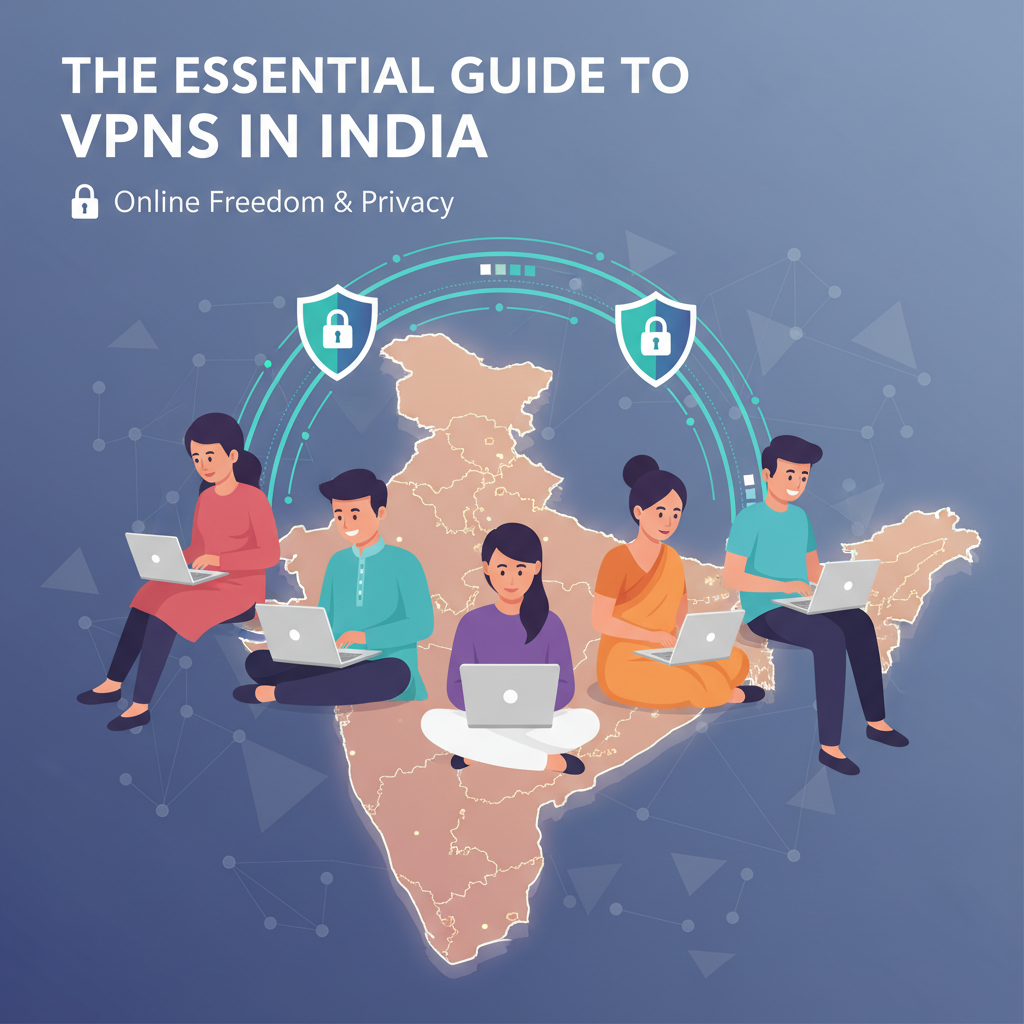
In an increasingly interconnected world, Virtual Private Networks (VPNs) have become essential tools for online privacy and unrestricted internet access. For users in India, understanding the nuances of VPN usage is crucial due to evolving digital regulations and geo-restrictions. This guide explores why a VPN is vital, what to look for, and how it can empower your online experience in India, ensuring security and freedom.
Why a VPN is Crucial for Internet Users in India
Why a VPN is Crucial for Internet Users in India
India’s digital landscape is continuously evolving, presenting both opportunities and challenges for internet users. The implementation of data retention laws, increasing instances of internet censorship, and widespread geo-restrictions on content significantly impact online freedom and privacy. In this environment, a Virtual Private Network (VPN) becomes an indispensable tool. A VPN works by creating a secure, encrypted tunnel between your device and a remote server operated by the VPN provider. This process effectively masks your true IP address and encrypts your internet traffic, making it unreadable to third parties, including internet service providers (ISPs) and government entities.
The encryption provided by a VPN is paramount for enhancing online privacy, particularly given India’s data retention policies. By encrypting your data, a VPN ensures that your online activities remain private and inaccessible to those who might seek to monitor them. Furthermore, by routing your internet connection through servers located in other countries, a VPN allows you to bypass geo-restrictions, unlocking a world of content previously inaccessible in India, such as international streaming services. This capability is crucial for accessing a wider range of educational, entertainment, and news resources.
The ability of a VPN to mask your IP address is equally vital. Your IP address is a unique identifier that can reveal your geographical location and, combined with other data, can identify you. By assigning you a temporary IP address from one of its servers, a VPN makes it significantly harder for anyone to track your online movements back to you. This anonymity is particularly important when navigating sensitive topics or engaging in discussions where privacy is paramount.
Given these challenges, choosing a reputable VPN provider is not merely a recommendation but a necessity. A trustworthy provider will adhere to a strict no-logs policy, meaning they do not collect or store any information about your online activities. This commitment to privacy is the bedrock of a VPN’s effectiveness. Without a no-logs policy, the provider itself could potentially become a weak link in your privacy chain. Diligence in selecting a VPN ensures that the very tool meant to protect your privacy isn’t inadvertently compromising it.
Beyond general privacy and access, specific real-world scenarios underscore the critical role of a VPN for Indian users. Imagine connecting to public Wi-Fi at a café or airport, a common scenario where personal data like banking information or login credentials are highly vulnerable to interception. A VPN encrypts this data, creating a secure tunnel that protects your sensitive information from potential cyber threats. Similarly, for those wanting to access international streaming services like Netflix libraries from other countries, or BBC iPlayer, a VPN allows you to virtually “relocate” yourself, bypassing geographical content blocks. Furthermore, for activists, journalists, or anyone in India needing to communicate securely and privately, a VPN offers an essential layer of protection, safeguarding their communications from surveillance. These examples highlight why a VPN is not just a luxury, but a fundamental tool for maintaining digital freedom and privacy in India’s current online climate.
Conclusions
In conclusion, a reliable VPN is more than just a tool for bypassing restrictions; it’s a fundamental aspect of maintaining digital freedom and privacy in India. By encrypting your internet traffic and masking your IP address, a VPN protects your sensitive data from surveillance and cyber threats. Choosing the right service, considering factors like server locations, security protocols, and speed, will ensure a seamless and secure online experience. Embrace a VPN to unlock a truly open and private internet.