

 Русский
 Bahasa Indonesia
 فارسی
فارسی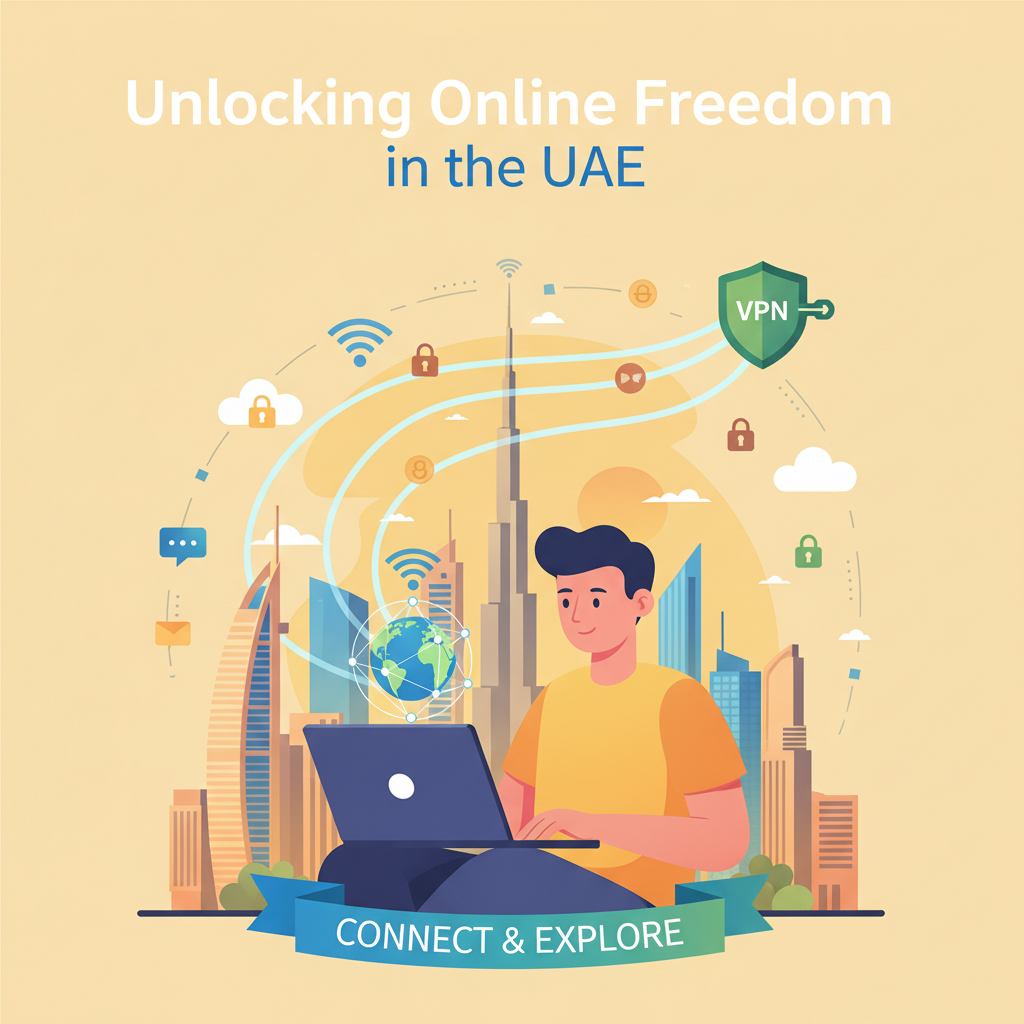
Navigating the internet in the UAE can sometimes feel restrictive due to geo-blocking and content censorship. This guide explores how a Virtual Private Network (VPN) can be your key to a more open online experience, ensuring privacy and access to a world of digital content. Discover the benefits and considerations of using a VPN in this dynamic region.
Why a VPN is Essential in the UAE
Why a VPN is Essential in the UAE
For internet users in the UAE, a VPN becomes an indispensable tool for several critical reasons. The digital landscape here presents unique challenges, primarily rooted in geo-restrictions, privacy concerns, and the blocking of certain online content and services. Imagine trying to access your favorite streaming platform from back home, only to be met with a frustrating “content not available in your region” message. This is a common experience in the UAE, where platforms like Netflix, Hulu, or BBC iPlayer often impose geo-blocks based on your IP address. Similarly, popular Voice over IP (VoIP) services like WhatsApp calls, Skype, and FaceTime have historically faced limitations or outright blocking, making it difficult for residents to connect with family and friends internationally. Even certain social media applications or specific websites might be inaccessible due to local regulations or content filtering.
A VPN effectively circumvents these digital barriers by performing two crucial functions: it masks your real IP address and encrypts your internet traffic. When you connect to a VPN server, your internet traffic is routed through that server, making it appear as though you are browsing from the server’s location, not your actual one in the UAE. This trick allows you to bypass geo-restrictions, fooling websites and services into believing you’re accessing them from an approved region. The encryption, on the other hand, scrambles your data, making it unreadable to anyone who might try to intercept it, including your Internet Service Provider (ISP) or potential eavesdroppers. This significantly enhances your online privacy and security.
Regarding the legal landscape surrounding VPN usage in the UAE, it’s a nuanced topic that requires careful consideration. While the explicit use of a VPN for legitimate, legal purposes, such as accessing corporate networks or protecting sensitive data, is generally not prohibited, the use of a VPN to commit a crime or to access content that is deemed illegal or offensive by UAE law carries severe penalties. The UAE’s Cybercrime Law (Federal Decree Law No. 34 of 2021) addresses misuse of VPNs. Section 10 of this law states that “anyone who uses a fraudulent computer network protocol address by using a false address or a third-party address or by any other means for the purpose of committing a crime or preventing its discovery shall be punished by temporary imprisonment and a fine of not less than AED 500,000 and not more than AED 2,000,000.” This emphasizes that the _intent_ behind VPN usage is key.
Therefore, while using a VPN to unblock a streaming service or secure your communication is generally viewed as acceptable, it is absolutely critical to understand that using a VPN to access prohibited content (e.g., pornography, gambling, or political content deemed offensive) or to engage in any illegal activities can lead to serious legal repercussions. Users should always exercise caution, adhere to local laws, and ensure their VPN usage aligns with legitimate and legal purposes. Opting for a reputable VPN provider with a strong no-logs policy further enhances your privacy protections.
Conclusions
In conclusion, a VPN offers a powerful solution for enhancing online freedom, privacy, and security in the UAE. By understanding the local regulations and choosing a reputable service, you can confidently access a wider range of content and protect your digital footprint. Embrace a more open and secure internet experience with the right VPN.