

 Русский
 Bahasa Indonesia
 فارسی
فارسی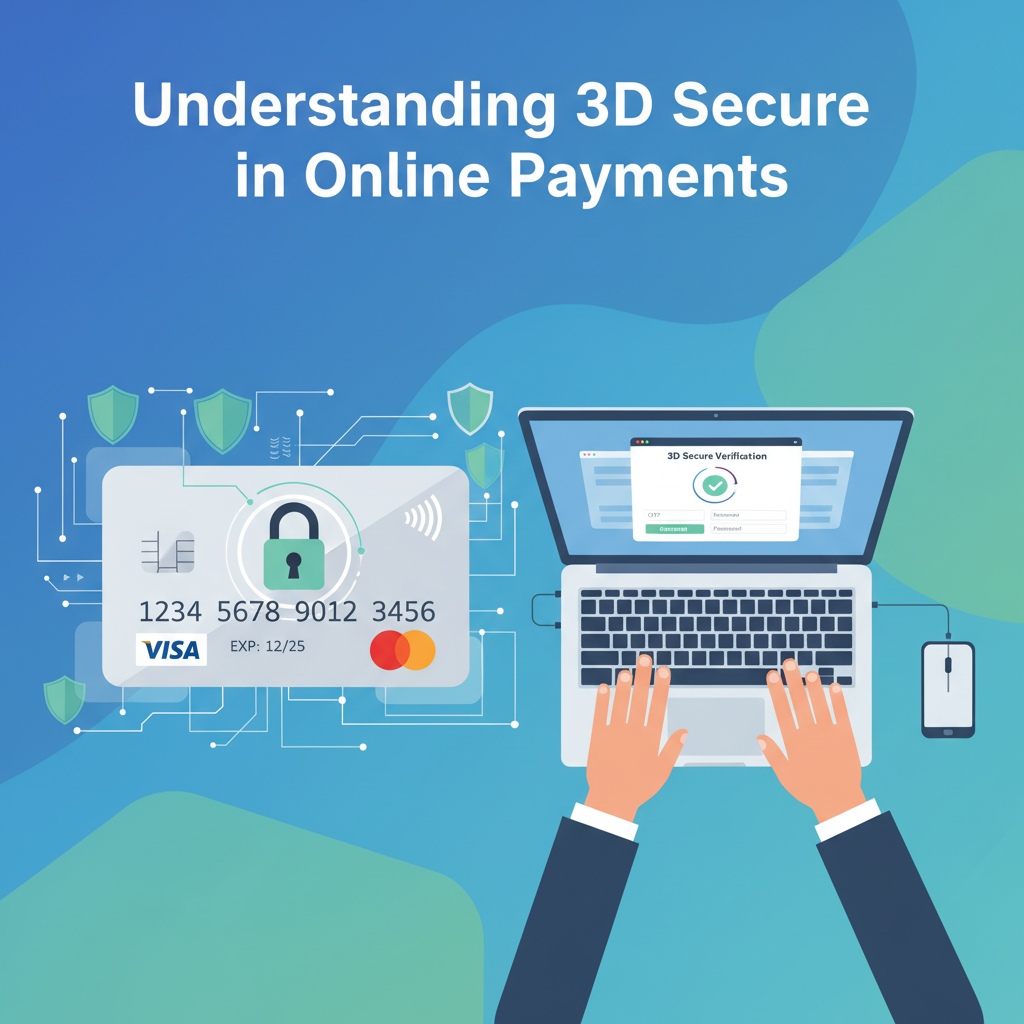
Online payment security is a growing concern for shoppers and merchants worldwide. 3D Secure is a protocol designed to make online transactions safer by adding an additional authentication step. In this article, we delve deep into what 3D Secure is, how it works, and why it matters for anyone making or accepting payments on the web.
Exploring the 3D Secure Protocol and Its Role in Online Safety
The 3D Secure protocol serves as a robust layer within the online payment ecosystem, designed to add dynamic authentication before a transaction is finalized. Its origin lies in the escalating concerns surrounding card-not-present (CNP) fraud, which grew rapidly alongside the rise of e-commerce. To tackle this vulnerability, credit card giants like Visa and Mastercard devised the 3D Secure protocol—branded respectively as Verified by Visa and Mastercard SecureCode—to ensure that only the legitimate cardholder can successfully complete a purchase.
Technically, 3D Secure operates by redirecting the cardholder from the merchant’s checkout page to a controlled authentication environment, managed by the bank or card issuer. Here, the cardholder is prompted to verify their identity through various means, which might include entering a one-time password (OTP) sent to their mobile device, biometric scans like fingerprints or facial recognition, or answering knowledge-based questions. This structured authentication step brings together three key parties: the cardholder (initiating the transaction), the merchant (processing the sale), and the card issuer (validating the user’s identity).
This multi-layered approach delivers significant advantages. For customers, it minimizes the risk that stolen credentials can be used to make fraudulent purchases, imbuing them with greater confidence in shopping online. Merchants, on the other hand, benefit from a reduction in chargebacks and improved regulatory compliance.
The evolution from 3D Secure 1.0 to 2.0 marked a leap forward in both security and convenience. While the original standard often required clunky, disruptive pop-ups that frustrated users, 3D Secure 2.0 introduced seamless, mobile-friendly flows and risk-based authentication, drastically reducing friction for legitimate shoppers and lowering abandonment rates. This continuous improvement demonstrates why 3D Secure remains vital in the fight against cybercrime, adapting flexibly to the relentless pace of digital commerce.
Conclusions
3D Secure has become an essential tool in safeguarding online card transactions by providing an extra layer of authentication. As digital commerce continues to rise, adopting solutions like 3D Secure helps reduce fraud, boost consumer confidence, and streamline secure payments. Understanding its function empowers both merchants and customers to shop and sell online with greater peace of mind.