

 Русский
 Bahasa Indonesia
 فارسی
فارسی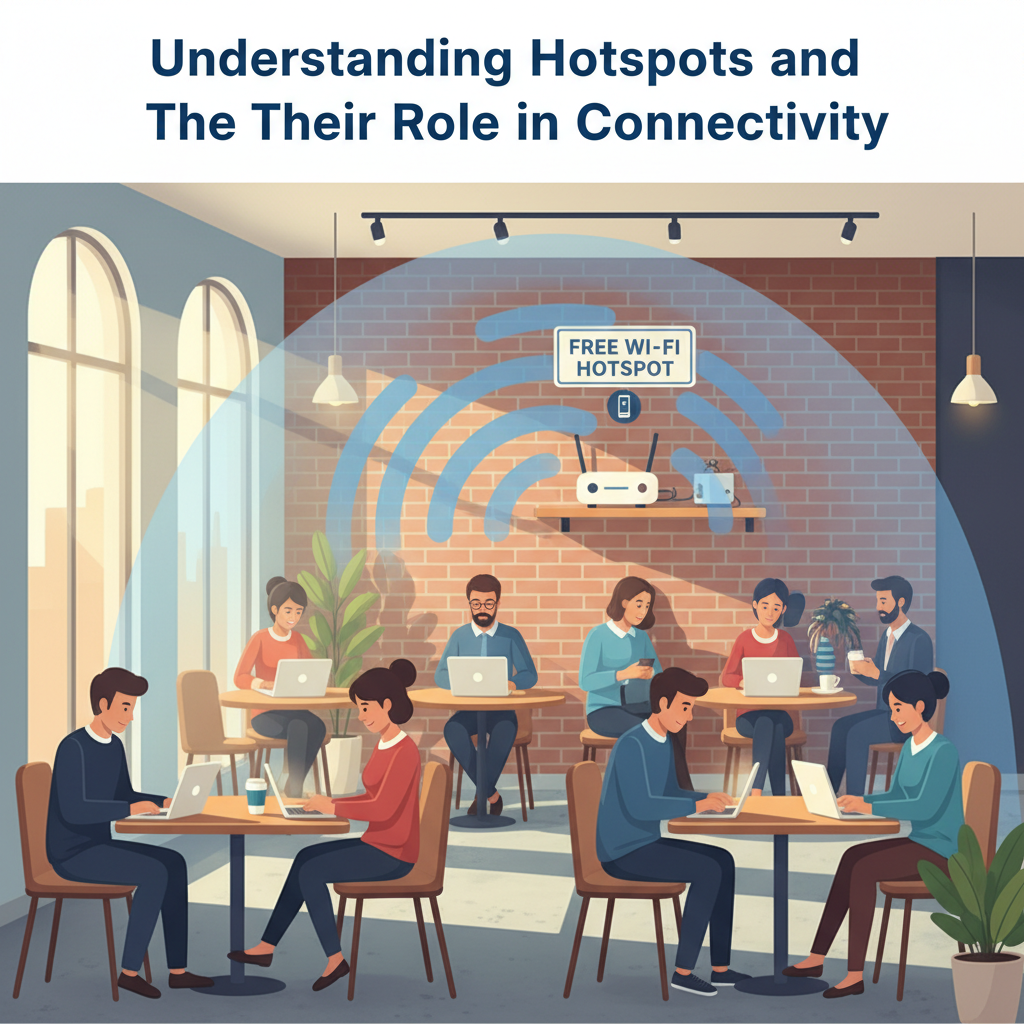
In a world where constant connectivity is essential, hotspots have become an everyday tool for internet access. But what exactly is a hotspot, and how does it work? In this article, we will unpack the definition, history, technical aspects, and practical uses of hotspots, exploring how they keep us connected when we’re on the go.
Hotspots Explained How They Work and Why They Matter
A hotspot is a physical location or a device that provides wireless internet access to nearby devices, most commonly using Wi-Fi technology. The core of a hotspot’s functionality lies in the transmission of data over short-range radio waves, specifically following standards established by the IEEE 802.11 family, commonly known as Wi-Fi. When a device such as a smartphone, tablet, or laptop connects to a hotspot, it becomes part of a local wireless network and gains access to the broader internet, typically via a wired broadband connection or cellular network.
The history of hotspots dates back to the late 1990s, when wireless networking first entered public spaces such as airports and coffee shops. The initial adoption was relatively limited due to high costs and the novelty of wireless technology. Over time, rapid advancements in Wi-Fi standards (from 802.11b through to today’s 802.11ax or Wi-Fi 6) massively increased both speed and capacity, making hotspots far more reliable and accessible.
There are various types of hotspots today. Public hotspots, often found in cafes, parks, and airports, allow users to connect for free or for a fee but may be less secure. Private hotspots are set up in homes and businesses where access is restricted and managed. Portable or mobile hotspots come in the form of specialized devices or smartphone features that share a cellular data connection over Wi-Fi, enabling multiple devices to stay online even in remote areas. Some smartphones offer tethering, allowing them to act as personal hotspots.
In practical terms, hotspots support daily activities like remote work, online collaboration, navigation, and entertainment on the go. During travel or emergencies, mobile hotspots can be critical for maintaining connectivity. However, users must exercise caution with public hotspots due to security risks such as data interception; best practices include connecting only to secured networks, avoiding sensitive transactions, and using VPNs to enhance privacy and safety.
Conclusions
Hotspots play a vital role in today’s connected lifestyle by enabling internet access in countless places using wireless technology. By understanding what hotspots are and how they function, users can maximize their connectivity, stay productive, and enjoy the convenience of online services almost anywhere their journeys take them.