

 Русский
 Bahasa Indonesia
 فارسی
فارسی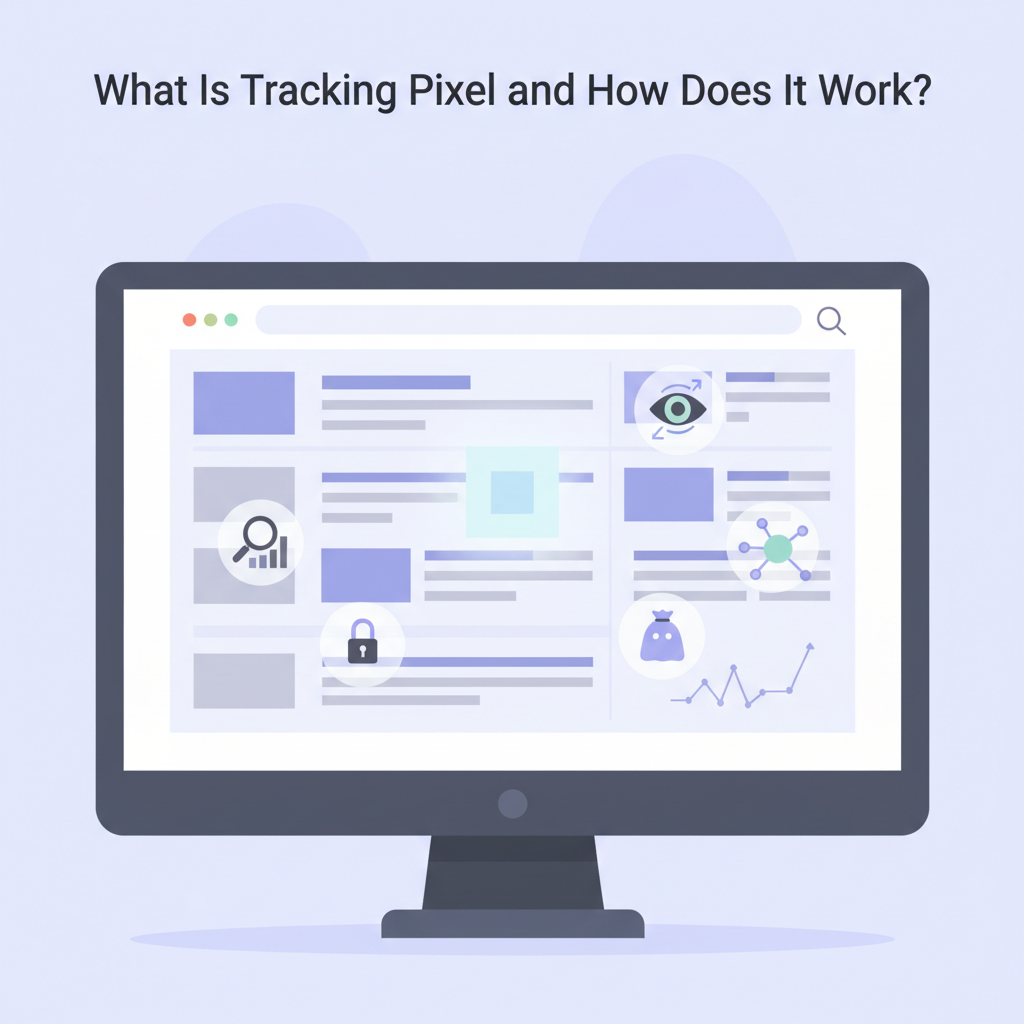
Tracking pixels are small digital images embedded in websites and emails to monitor user behavior. While nearly invisible to visitors, they play a crucial role in digital marketing and analytics. In this article, we’ll explore what tracking pixels are, how they function, and the impact they have on online privacy and personalized advertising.
How Tracking Pixels Work and Their Role Online
A tracking pixel is a minuscule digital tool, often just 1×1 pixel in size, that exists invisibly within the code of a webpage or email. Technically, it’s an image file—usually in GIF or PNG format—with dimensions so small it’s imperceptible to users. When a user loads a page or opens an email containing this pixel, their web browser or email client sends a request to the server where the pixel image is hosted. This seemingly simple request allows for the automatic collection of key data points about the user’s interaction.
The primary information relayed through a tracking pixel can include the user’s IP address, which provides approximate geographic data, as well as details about the browser, operating system, device type (desktop, mobile, tablet), and commonly, the exact time and date of the interaction. If cookies are present, the pixel can be configured to read these, associating user behavior across different sessions and platforms. Referrer information is often logged, showing the origin of the visit—a crucial metric in measuring marketing campaigns. The server response can indicate whether an email has been opened, how long a user was active on a particular page, or which elements were clicked, painting a fairly comprehensive picture of user engagement.
Advertisers and analytics platforms rely on tracking pixels to refine targeting, optimize ad spending, and evaluate the success of marketing initiatives. However, their invisible nature also raises privacy concerns, as users are often unaware their data is being collected in this way. As a result, organizations and regulations like the GDPR and CCPA have established stricter requirements for transparency, and many users deploy ad blockers or privacy-focused browser settings to block or restrict these pixels. Email providers now also offer features to protect recipients, such as default image blocking or proxying images to obscure direct tracking. The adoption of these strategies underscores the evolving tension between robust analytics and user privacy in the digital ecosystem.
Conclusions
Tracking pixels are essential for both website owners and marketers, offering valuable insights into user activity. However, their use also raises concerns about privacy and data collection. Being informed about how tracking pixels work can help users protect their information, while companies can utilize them responsibly to enhance user experiences and marketing effectiveness.