

 Русский
 Bahasa Indonesia
 فارسی
فارسی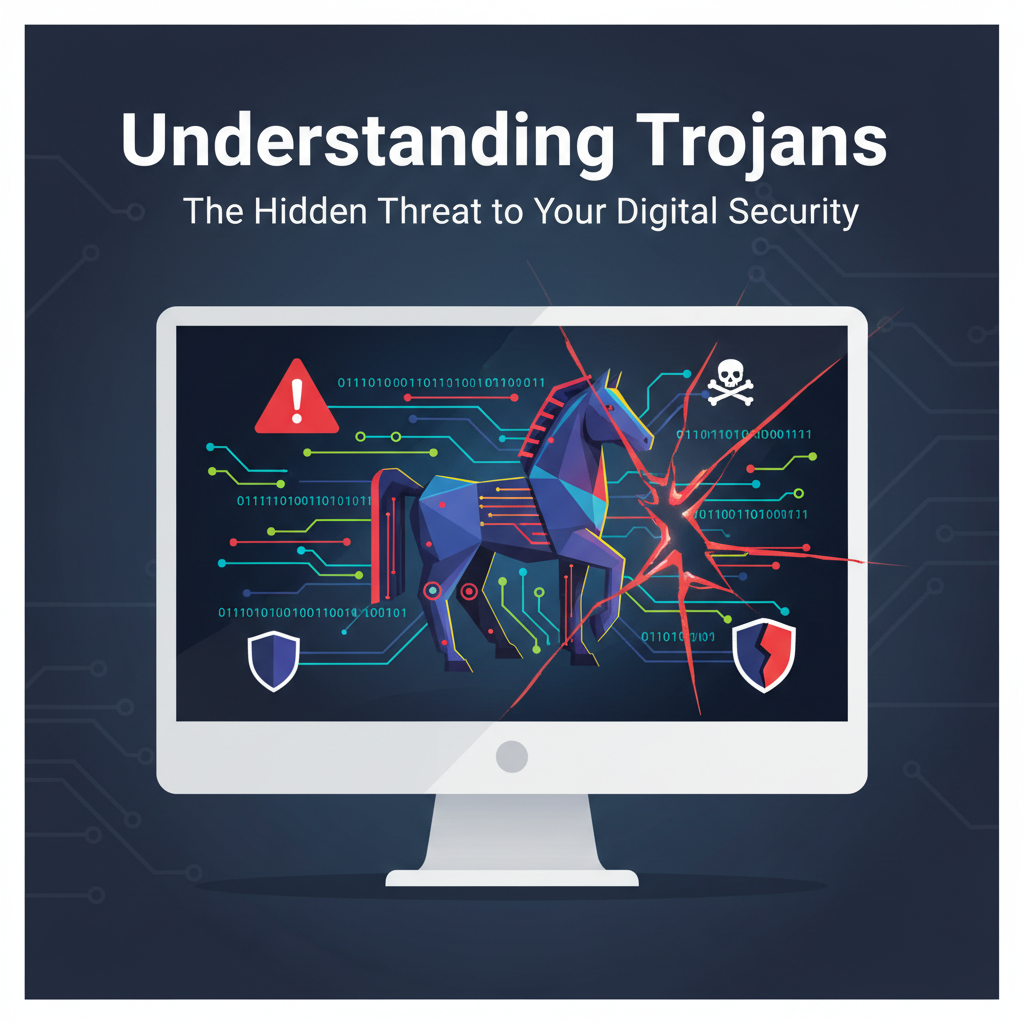
Trojans are among the most deceptive forms of malware, cleverly disguised to trick users into letting them into their systems. This article explores what a Trojan is, how it operates, what makes it dangerous, and the various ways you can protect yourself from falling victim to this widespread cyber threat.
How Trojans Work and Why They Are Dangerous
The term ‘Trojan’ hails from the ancient Greek myth of the Trojan Horse: a deceptive wooden structure gifted to the city of Troy, concealing Greek soldiers within. Mirroring this age-old tale of disguise and betrayal, a Trojan in cybersecurity is a malicious program masked as legitimate or useful, luring users into unwittingly permitting its entry. Unlike viruses or worms, which can self-replicate and spread independently, Trojans depend on tricking users into executing them. They are typically disguised as benign applications, appealing software downloads, or even innocuous documents, cleverly exploiting the user’s trust.
Trojans stand apart in their insidious approach—rather than forcefully infiltrating systems, they rely on psychological manipulation, convincing individuals to lower their guard. This method of deception is central to what makes Trojans so effective and dangerous. They may masquerade as updates, games, security programs, or business documents, each carefully tailored to exploit specific user behaviors and interests.
Common means of Trojan distribution include enticing email attachments, links in phishing messages, and rogue software hosted on dubious websites. Social engineering tactics often play a pivotal role, such as impersonating trusted contacts or urgent system alerts crafted to provoke a hasty download.
Once inside a system, the potential for harm is vast and varied. A Trojan can stealthily steal sensitive data, including credentials and financial information, install backdoors granting remote access to attackers, download more malware, spy using a computer’s webcam or microphone, and even recruit a device into a botnet for further malicious campaigns.
To mitigate the risk of Trojan infections, it is vital to practice caution: scrutinize unexpected email attachments or links, only download software from reputable sources, and keep operating systems and security tools up to date, as these steps are foundational in defending against this ever-evolving threat.
Conclusions
Trojan malware represents a significant threat due to its ability to disguise itself and carry out harmful actions behind the scenes. Recognizing how Trojans work and using effective prevention strategies can greatly reduce your risk. Stay vigilant online, keep software updated, and use security tools to defend your devices against these hidden dangers.