

 Русский
 Bahasa Indonesia
 فارسی
فارسی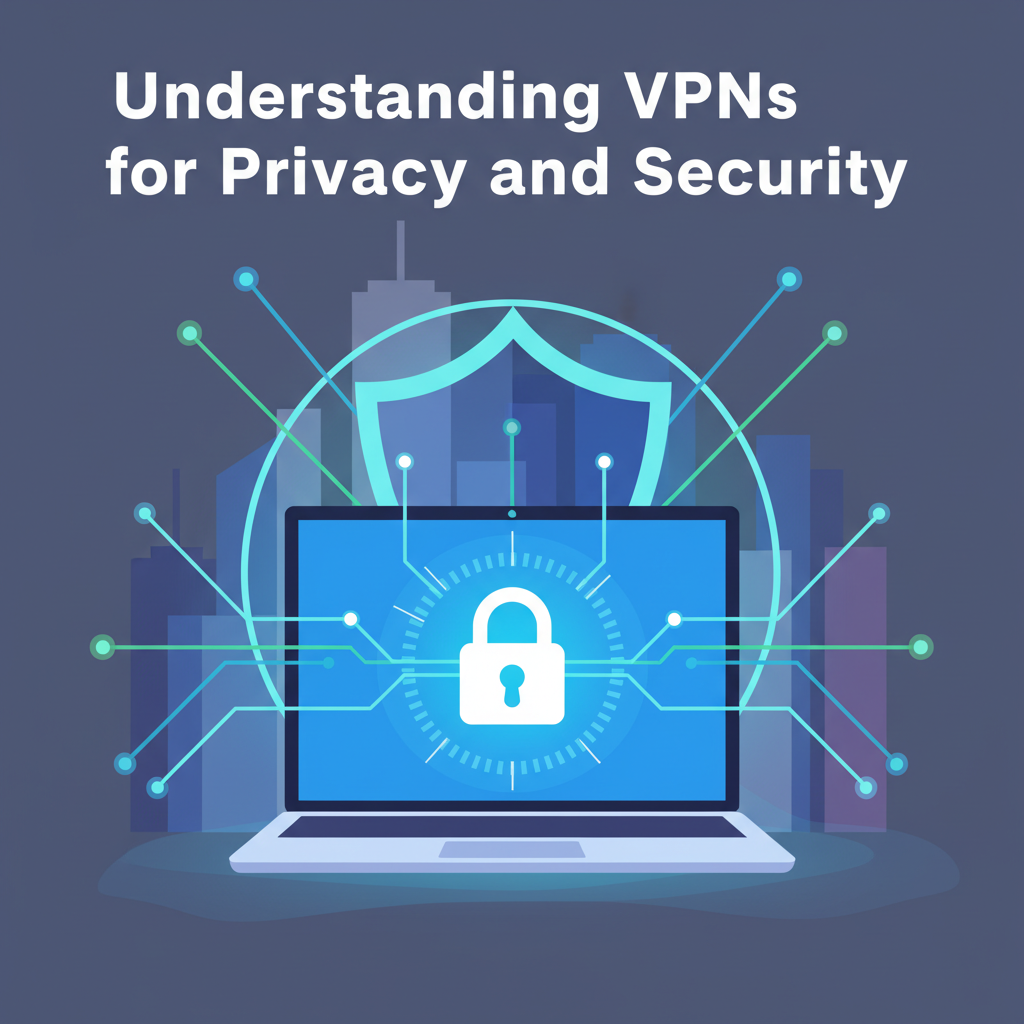
A VPN, or Virtual Private Network, is an essential tool for enhancing your online privacy and security. In today’s digital world, more people are seeking protection from hackers, data theft, and censorship. This article explains what a VPN is, how it works, and the key benefits it offers, equipping you with vital knowledge for safer internet use.
How VPNs Work and Why They Matter
A Virtual Private Network, often abbreviated as VPN, is a powerful tool designed to provide online privacy and security by creating a private network across a public internet connection. Originating in the mid-1990s, as referenced on Wikipedia, VPN technology was first developed to enable remote workforce access to corporate networks, but its usage has since evolved, encompassing nearly all users concerned with online security and privacy. At its core, a VPN works by encrypting data traffic between a user’s device and the VPN server, forming a secure “tunnel” that shields transmitted information from interception. This encryption process prevents hackers, service providers, and even governments from easily monitoring or stealing data, regardless of whether the connection takes place over a home network or an unsecured public Wi-Fi hotspot.
The VPN “tunnel” renders the contents of internet traffic unreadable to outsiders, thus safeguarding credentials, communications, and sensitive information. Among the most common VPN protocols are OpenVPN, revered for its security and versatility; L2TP/IPsec, combining tunneling and encryption for robust protection; and WireGuard, a newer protocol praised for its speed and simplicity. VPNs also serve a strategic function in bypassing regional restrictions and censorship, allowing users to access content and services otherwise unavailable in their location. One of the main technological advantages of using a VPN is the ability to disguise the user’s true IP address, which not only bolsters anonymity but also helps defeat tracking and profiling efforts.
Globally, VPN adoption continues to rise as threats to digital privacy multiply, notably amid increasing reports of surveillance and widespread data breaches. Nevertheless, users should remain mindful of privacy trade-offs, such as the trust placed in VPN providers to handle their data responsibly, which underpins the importance of choosing reputable services.
Conclusions
A VPN is a powerful ally for anyone concerned about online privacy, data protection, and secure internet browsing. By encrypting your connection and hiding your real IP address, VPNs can safeguard your activity on both public and private networks, help you access restricted content, and protect your personal data from cyber threats. Consider using one for a safer digital experience.