

 Русский
 Bahasa Indonesia
 فارسی
فارسی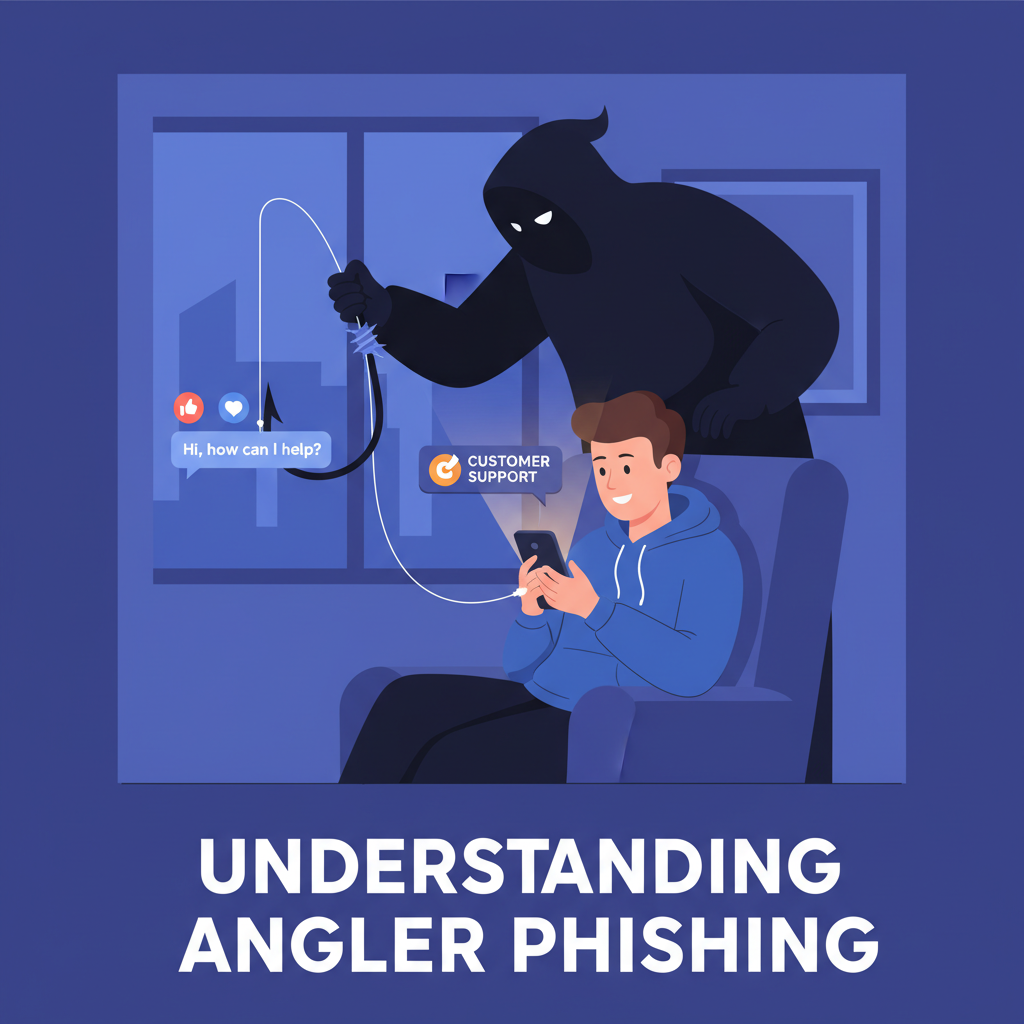
Angler phishing is a sophisticated type of cyberattack that targets unsuspecting users on social media platforms. By posing as legitimate support or service accounts, scammers trick individuals into handing over sensitive information. In this article, we explore how angler phishing works, the common tactics used, and practical steps you can take to stay safe online.
How Angler Phishing Operates and How to Defend Against It
Angler phishing operates by targeting users when they seek help or express dissatisfaction with brands and services on social media. Attackers monitor public posts, especially complaints or direct mentions of companies’ official accounts. Once they identify a potential target, scammers quickly set up deceptive customer service or support profiles that mimic the real companies’ logos, language, and presence—sometimes using slightly altered account names that can easily go unnoticed. These fake accounts reach out to users with offers of assistance, proactively engaging through direct messages or public replies.
The psychological underpinning of these scams is deeply rooted in exploiting trust and urgency. When users experience a problem—such as issues with their bank or delivery service—they are already anxious and seeking prompt solutions. Scammers capitalize on this emotional vulnerability, pressing victims to act fast—perhaps by “verifying” their information or clicking a link to supposedly resolve their issue immediately. The appearance of legitimacy, combined with the pressure of urgent messaging, often causes users to bypass usual precautions.
Vigilance is essential to recognizing angler phishing. Always check for subtle discrepancies in account names, spelling, and follower counts. Authentic customer service accounts are typically verified with checks and have consistent posting histories. Never provide personal or financial information through direct messages, and avoid clicking on suspicious links. To avoid falling victim, reach out to companies only through official channels listed on their websites, rather than responding to unsolicited messages.
If you suspect an angler phishing attempt, do not engage further. Report the fraudulent account to the platform and notify the impersonated company. If you’ve shared sensitive information, immediately change your passwords and monitor your bank or credit statements for unusual activity. Adopting strong, unique passwords and enabling two-factor authentication can also significantly enhance protection against social media-based phishing tactics.
Conclusions
Angler phishing is a growing threat that exploits trust and the popularity of social media to steal personal information. By staying informed about common tactics and remaining cautious when engaging with unknown accounts, you can greatly reduce your risk of falling victim. Always verify the legitimacy of online communications and protect your sensitive data to ensure a safer digital experience.