

 Русский
 Bahasa Indonesia
 فارسی
فارسی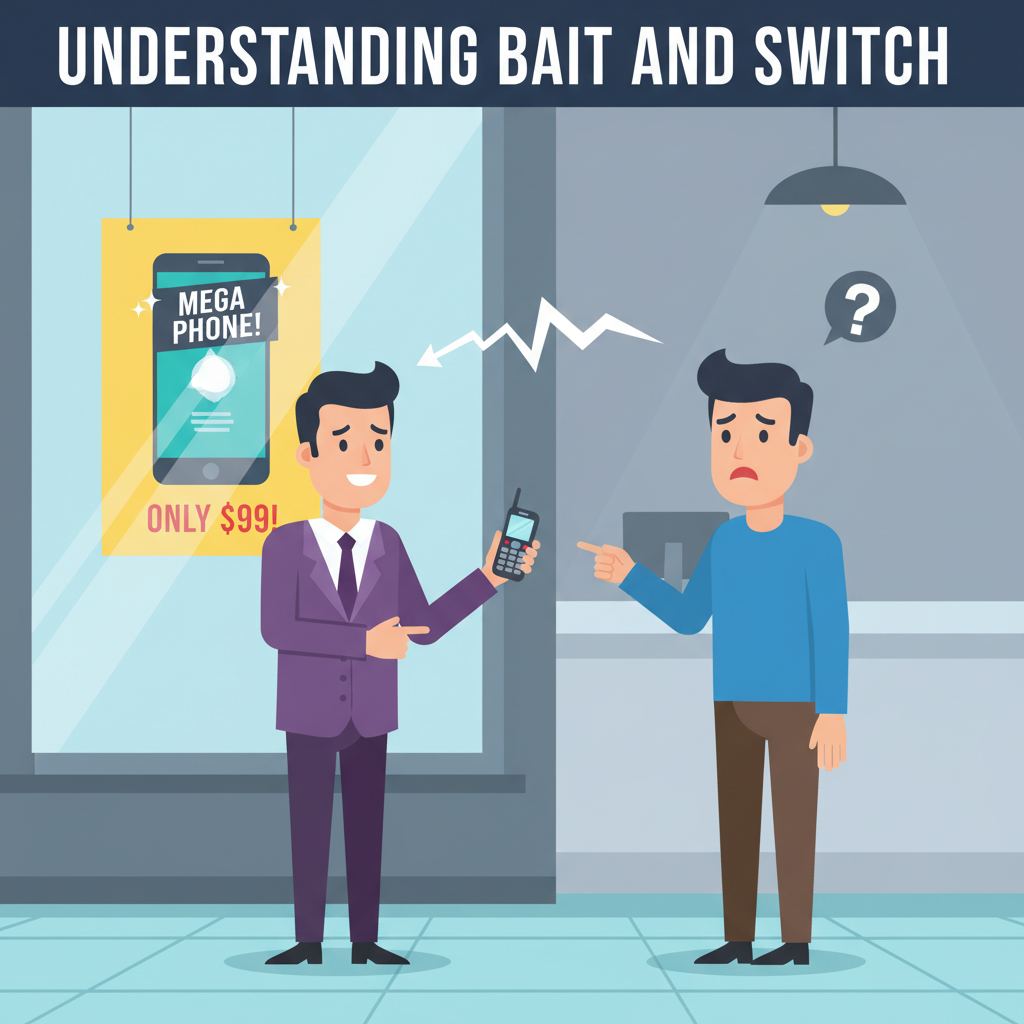
Bait and switch is a deceptive practice that can leave consumers feeling frustrated and misled. This strategy lures potential customers with an attractive offer, only to replace it with something less desirable. In this article, we’ll explore what bait and switch means, how it works, and why it is regarded as a serious concern in marketing and business.
The Mechanics of Bait and Switch
The bait and switch tactic relies on manipulating consumer expectations through an initial, often too-good-to-be-true offer—the bait. Traditionally traced back to deceptive retail practices of the early 20th century, the bait and switch scheme became prominent enough for lawmakers and consumer advocates to condemn it worldwide. According to descriptions such as those on Wikipedia, its mechanism involves first advertising a product or service at an unusually low price or under especially attractive terms. This tantalizing offer draws in potential buyers; however, when they attempt to make the purchase, the seller claims the advertised product is unavailable, often for vague reasons like being “out of stock” or having “limited quantities.” Customers are then steered toward a different, usually higher-priced or less desirable alternative—the switch.
This subterfuge has appeared in various forms across industries. In retail, electronics stores have advertised steeply discounted laptops, only to pressure customers to buy more expensive models upon arrival. The travel and hospitality sectors have seen hotels promote discounted rooms only to reveal hidden fees or unavailability at booking. Even in online shopping, users may click ads for discounted gadgets, only to be redirected to pricier or lower-quality substitutes.
Such tactics seriously erode consumer trust and destabilize fair competition. Regulatory agencies, such as the US Federal Trade Commission, have prosecuted bait and switch cases; for example, the FTC v. Sears, Roebuck & Co. case in 1975 established critical anti-deception precedents in advertising. In the UK, the Consumer Protection from Unfair Trading Regulations 2008 expressly prohibit these maneuvers. These legal actions underscore why bait and switch is widely condemned: it exploits good faith, misleads buyers, and violates norms of transparency in commerce, highlighting the critical need for consumers to recognize and guard against such deceptive schemes.
Conclusions
Bait and switch is a manipulative tactic that undermines consumer trust and violates ethical standards. By understanding how it operates and the consequences it brings, consumers can better protect themselves. Recognizing signs of bait and switch empowers individuals to make more informed decisions and encourages ethical business practices in the marketplace.