

 Русский
 Bahasa Indonesia
 فارسی
فارسی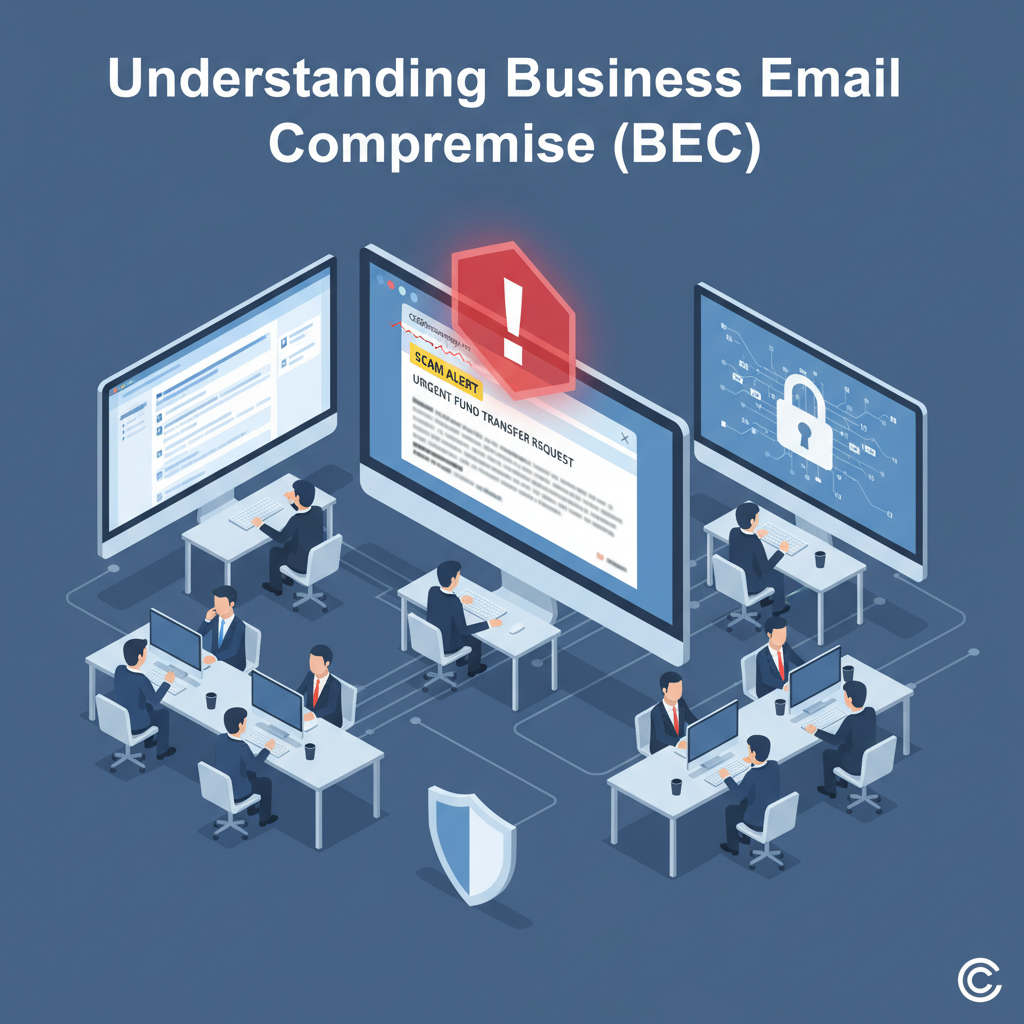
Business Email Compromise (BEC) is a sophisticated form of cybercrime that targets organizations by exploiting email systems to defraud companies out of money or sensitive data. This article explores BEC in detail, examining how these attacks work, their impact, and essential strategies to protect your organization from falling victim.
How Business Email Compromise Works and How to Defend Against It
Business Email Compromise (BEC) is a sophisticated form of cybercrime that targets organizations, with the goal of tricking personnel into transferring funds or sensitive data to criminals. According to Wikipedia and the Federal Bureau of Investigation, BEC usually involves the manipulation or impersonation of business email accounts, often by exploiting social engineering tactics. The attack unfolds in several stages: first, the attacker conducts reconnaissance, gathering information on key personnel, business partners, and transaction habits. Next, they employ techniques like email spoofing, where the sender’s address is forged to appear legitimate, or spear-phishing, using tailored messages to manipulate specific employees. Attackers may also compromise accounts through phishing or credential theft, enabling them to monitor conversations and time their fraudulent requests to appear as authentic as possible.
Common BEC scenarios include impersonating an executive (CEO fraud) or a trusted partner to instruct an employee to wire funds, approve invoices, or share confidential information. The consequences of a successful BEC attack extend far beyond financial loss. Affected organizations can suffer reputational damage, regulatory penalties, and erosion of customer trust, with recovery often being complicated and lengthy.
Organizations can take several in-depth preventive measures. Implementing robust email security protocols such as DMARC, SPF, and DKIM helps verify email authenticity and reduces successful spoofing attempts. Regular employee training on phishing recognition and verification procedures for sensitive requests is critical, as is establishing clear financial approval workflows. Advanced detection strategies include deploying anomaly detection tools to flag unusual transaction patterns or access attempts. Equally important is developing incident response plans so teams can react quickly to suspected attacks, limiting potential damage. For instance, in one notable BEC case, an international company lost millions through a fake vendor email, highlighting the need for vigilant verification procedures and layered security.
Conclusions
Business Email Compromise poses a significant threat to organizations worldwide, leveraging deception and advanced tactics to exploit email systems. By understanding how BEC operates and adopting effective defense measures, companies can mitigate risks and safeguard against potential losses. Continuous employee education and robust security protocols are crucial to combat this evolving cybercrime.