

 Русский
 Bahasa Indonesia
 فارسی
فارسی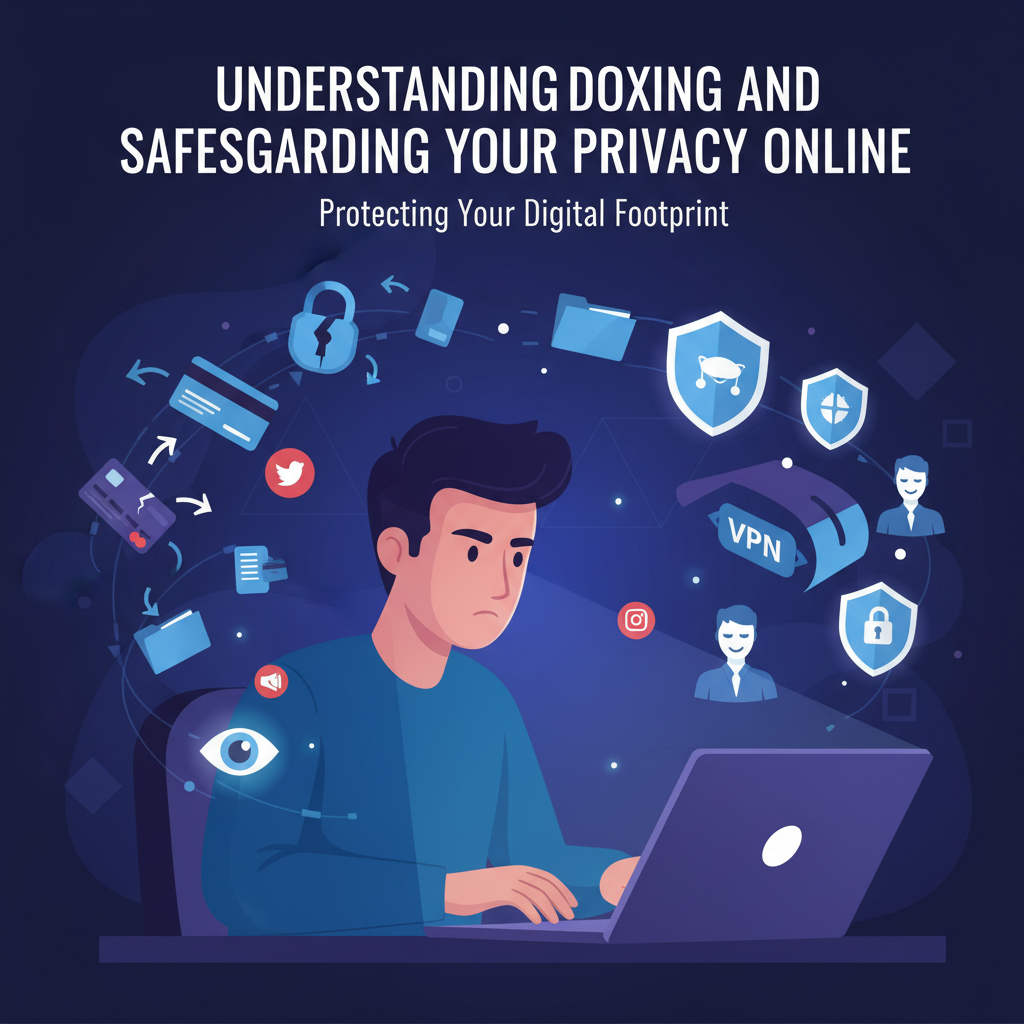
Doxing is a serious online threat involving the public release of personal information without consent. As technology becomes more intertwined with our lives, knowing what doxing is and how to protect yourself is essential. In this article, we will explore the concept in detail and offer actionable steps for enhancing your digital safety.
Doxing Explained and How to Protect Yourself
Doxing refers to the malicious act of discovering and publicly revealing someone’s private, personal information online without their consent. The term originated from “dropping docs,” as early hackers would “drop” documents containing personal data to intimidate rivals or enemies. As the internet expanded, doxing evolved from obscure online communities to a widespread and harmful practice that has impacted people from all walks of life. Perpetrators often employ several methods to unearth sensitive details: social media mining, scouring public records and databases, and resorting to phishing scams that trick victims into surrendering confidential information. Attackers may also piece together fragmented data posted innocently across the web, creating a comprehensive profile of their target.
The consequences of doxing can be grave, ranging from identity theft and cyberstalking to financial loss, damage to reputation, and significant emotional distress. Harassment can spill over into victims’ real-world lives, escalating fear and anxiety. To mitigate these risks, you can take several concrete steps. *Use strong, unique passwords* for each online account, ideally managed via a secure password manager. *Limit the amount of personal information you share* on social media and always be mindful of what friends or family might post about you. *Review privacy settings* on all platforms regularly, making profiles and posts inaccessible to strangers. *Enable multi-factor authentication* on every account that offers it to create an extra security layer against unauthorized access. Routinely *audit your online presence* by searching for your own name and reviewing any personal details that surface.
If you find yourself a victim of doxing, act quickly: *contact website administrators or platforms* to request the removal of exposed information, and *report the incident to local law enforcement*—especially if you feel threatened. Reach out to support networks, both personal and professional, for guidance and emotional assistance. Additionally, using a *Virtual Private Network (VPN)* can help mask your IP address and encrypt your internet activity, adding another layer of protection while you browse or communicate online.
Conclusions
Being aware of doxing and its risks is the first step in safeguarding your online presence. By staying vigilant and adopting effective privacy measures, you can significantly reduce your exposure to doxing attempts. Strengthen your habits, stay informed, and make digital security a priority to maintain your personal safety online.